Currently Empty: ₹0.00
Introduction: The Ubiquitous Role of Laser Cutting in Modern Manufacturing
In the rapidly evolving landscape of industrial manufacturing, precision, efficiency, and versatility are paramount. Laser cutting technology has emerged as a transformative force, revolutionizing how various materials are processed across a multitude of sectors. From intricate micro-components to large-scale structural elements, the capabilities of a Laser Cutting Machine have made it an indispensable tool for engineers, factory owners, and manufacturing companies worldwide.
This advanced cutting method offers unparalleled accuracy and speed, making it a preferred choice over traditional mechanical cutting processes. As industries continue to push the boundaries of design and material innovation, understanding where and how laser cutting is applied becomes crucial. This article delves into the diverse industries that heavily rely on Laser Cutting Machine technology, highlighting its benefits and key considerations for integration.
What is Laser Cutting Technology?
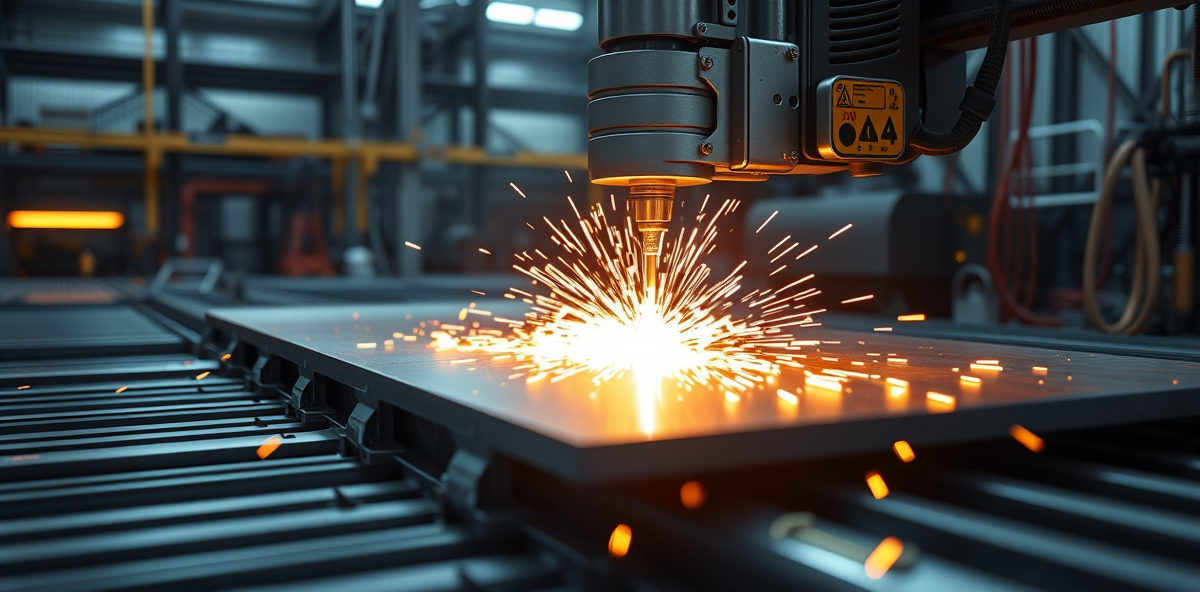
Laser cutting is a thermal process that uses a focused high-power laser beam to cut materials. The laser beam melts, burns, vaporizes, or is blown away by a jet of gas, leaving an edge with a high-quality finish. This non-contact method ensures minimal material deformation and offers exceptional precision.
Among the various types, fiber laser cutting has gained immense popularity due to its efficiency and ability to process a wide range of metals. Fiber lasers utilize an active optical fiber doped with rare-earth elements as the gain medium, delivering a highly stable and powerful beam. This technology is particularly effective for metal laser cutting, handling materials from thin gauge sheets to thick plates with remarkable speed and accuracy.
CO2 lasers, another prominent type, are known for their versatility in cutting non-metals like wood, acrylic, and textiles, alongside some metals. However, for sheer power and efficiency in metallic applications, fiber lasers often take the lead, offering lower operating costs and higher cutting speeds for many common industrial metals.
The Power of Precision: Key Industries Benefiting from Laser Cutting
The adaptability and precision of Laser Cutting Machine technology have allowed it to penetrate nearly every facet of modern manufacturing. Its ability to create complex geometries and maintain tight tolerances makes it invaluable across diverse industrial applications.
Automotive Industry
The automotive sector is a prime beneficiary of laser cutting, utilizing it for manufacturing a vast array of components. From chassis and body parts to intricate engine components and interior trims, laser cutting ensures lightweight designs and precise fits. Its speed and automation capabilities are critical for high-volume production lines.
Furthermore, laser technology is employed in creating prototypes and specialized tools, allowing for rapid iteration and development. The ability to cut high-strength steels and aluminum alloys accurately contributes significantly to vehicle safety and fuel efficiency.
Aerospace Industry
In the aerospace industry, precision and material integrity are non-negotiable. Laser cutting is essential for fabricating components from exotic materials such as titanium, Inconel, and various composite alloys. These materials are crucial for airframe structures, engine parts, and interior elements.
The non-contact nature of laser cutting minimizes material stress, while its accuracy is vital for maintaining the stringent safety and performance standards required in aircraft and spacecraft manufacturing. It facilitates the creation of lightweight yet incredibly robust parts.
Electronics Industry
Miniaturization and high-density packaging define modern electronics, making laser cutting indispensable. It is used for micro-cutting of circuit boards, creating precise openings for connectors, fabricating small housings, and cutting thin metal sheets for shielding.
The fine beam and precise control offered by Laser Cutting Machines are crucial for managing the delicate nature of electronic components. This technology ensures clean cuts with minimal heat-affected zones, preventing damage to sensitive parts.
Medical Device Manufacturing
The medical field demands extremely high precision, sterile processes, and biocompatible materials. Laser cutting is extensively used to produce implants, surgical instruments, stents, and various device casings. Its ability to create intricate designs in materials like stainless steel and titanium is critical.
The clean edges and minimal burr produced by laser cutting reduce the need for extensive post-processing, which is a significant advantage in manufacturing medical devices where surface finish and cleanliness are paramount.
Construction and Architectural Design
Laser cutting plays a significant role in modern construction and architectural endeavors, especially in fabricating custom metalwork. It is used for structural steel components, decorative facade panels, intricate railings, and bespoke signage.
Architects and designers leverage its precision to bring complex and artistic visions to life, creating unique and aesthetically pleasing structures. The ability to cut thick steel plates with accuracy allows for robust and durable construction elements.
Heavy Machinery and Agricultural Equipment
For industries requiring robust and durable parts, laser cutting offers efficient processing of thick metal sheets and plates. Heavy machinery, construction equipment, and agricultural vehicles rely on precisely cut components for frames, housings, and functional parts.
The high power of modern Laser Cutting Machines, particularly fiber lasers, enables rapid and clean cutting of thick steel, reducing manufacturing time and improving the overall quality of these industrial-grade products.
Signage and Advertising
The signage and advertising industry utilizes laser cutting for creating crisp, clean letters, logos, and intricate designs from various materials including metal, acrylic, wood, and foam. Its precision allows for highly detailed graphics that stand out.
The speed of laser cutting also means quicker turnaround times for custom projects, which is a significant advantage in this fast-paced industry where unique designs are often required.
Jewelry and Fashion
In the realm of luxury goods, laser cutting provides unparalleled finesse. It is used for intricate designs in precious metals like gold, silver, and platinum for jewelry, as well as for precise cutting of textiles and leather in the fashion industry. This allows for highly detailed and complex patterns that would be difficult or impossible with traditional methods.
The minimal material loss during laser cutting is particularly beneficial when working with expensive materials, further enhancing its appeal in these sectors.
HVAC and Sheet Metal Fabrication
The HVAC (Heating, Ventilation, and Air Conditioning) industry and general sheet metal fabricators heavily depend on laser cutting for producing ductwork, enclosures, brackets, and other custom components. The ability to cut precise holes and complex shapes quickly is crucial for efficient system assembly.
With metal laser cutting, fabricators can achieve tighter tolerances and higher throughput, leading to more efficient manufacturing processes and superior product quality.
Tool and Die Making
Precision is paramount in tool and die making, where components for molds, jigs, fixtures, and stamping dies are produced. Laser cutting provides the accuracy and clean edges required for these critical tooling components, reducing the need for extensive secondary finishing operations.
This application of laser technology ensures that the tools themselves are manufactured to the highest standards, directly impacting the quality of the products they are used to create.
Energy Sector (Renewables & Traditional)
Both renewable and traditional energy sectors utilize laser cutting for various components. In renewable energy, it’s used for parts of wind turbines, solar panel frames, and battery casings. For traditional energy, it aids in manufacturing components for power plants and oil and gas equipment.
The ability to cut specialized alloys and large metal sheets with accuracy supports the construction and maintenance of robust energy infrastructure.
Benefits of Laser Cutting Across Industries
The widespread adoption of laser cutting technology is driven by a host of compelling advantages it offers over conventional methods.
- Precision and Accuracy: Laser cutting delivers extremely tight tolerances and intricate geometries, crucial for high-quality components.
- Versatility in Materials: A single Laser Cutting Machine can process a wide range of materials, including various metals, plastics, wood, and composites. This includes both fiber laser cutting for metals and CO2 for non-metals.
- Reduced Material Waste: The narrow kerf (cut width) and optimized nesting capabilities of laser systems minimize scrap, leading to significant material cost savings.
- High Production Speed: Laser cutters, especially modern fiber lasers, offer rapid cutting speeds, significantly boosting production throughput.
- Cost-Effectiveness: While the initial investment can be substantial, the long-term benefits of reduced labor, material savings, and minimal post-processing lead to a strong return on investment.
- Minimal Post-Processing: Laser cuts often result in clean, smooth edges that require little to no deburring or finishing, saving time and labor.
- Non-Contact Process: Eliminates tool wear and material deformation, ensuring consistent quality and extending equipment lifespan.
Choosing the Right Laser Cutting Machine for Your Industry
Selecting the appropriate Laser Cutting Machine is a critical decision that impacts efficiency, quality, and profitability. Manufacturers must consider several factors to ensure they invest in the right technology for their specific needs.
- Material Type and Thickness: Fiber lasers excel at cutting reflective metals and thicker steels, making them ideal for metal laser cutting applications. CO2 lasers are better suited for non-metals.
- Required Precision and Edge Quality: Assess the level of detail and finish required for your parts. High-power fiber lasers offer exceptional edge quality for metals.
- Production Volume: For high-volume production, look for machines with automation features, faster cutting speeds, and robust designs.
- Budget and ROI: Evaluate the initial purchase cost against the long-term operational savings, maintenance, and potential for increased revenue.
- Software and Automation: Modern laser cutters come with sophisticated software for nesting, programming, and real-time monitoring, enhancing efficiency and reducing manual intervention. Consider integration with existing CAD/CAM systems.
- Maintenance and Support: Choose a supplier that offers comprehensive technical support, training, and readily available spare parts to minimize downtime.
Why Choose Lemon Laser for Your Cutting Needs?
When investing in cutting-edge laser technology, partnering with a reliable and experienced provider is crucial. Lemon Laser stands out as a leader in providing high-performance Laser Cutting Machines tailored to the demands of diverse industries. Our commitment to innovation, quality, and customer support ensures that our clients receive solutions that not only meet but exceed their manufacturing expectations.
We offer a range of advanced fiber laser cutting machines, designed for superior speed, precision, and energy efficiency. Our expertise in metal laser cutting ensures that even the most challenging materials are processed with exceptional quality. Lemon Laser provides comprehensive training and technical assistance, ensuring seamless integration and optimal performance of your investment.
Maintenance and Operational Best Practices
To maximize the lifespan and efficiency of your Laser Cutting Machine, adherence to best practices in maintenance and operation is essential. Regular preventive maintenance can significantly reduce downtime and ensure consistent cut quality.
- Routine Cleaning: Regularly clean optics (lenses and mirrors), nozzles, and the machine bed to prevent debris buildup and maintain optimal beam quality.
- Gas Management: Ensure a consistent supply of high-purity assist gases (oxygen, nitrogen, air) at correct pressures, as this directly impacts cut quality and speed, particularly for metal laser cutting.
- Chiller Maintenance: The chiller maintains the laser source’s temperature. Regular checks and coolant replacement are vital for preventing overheating and ensuring laser longevity.
- Software Updates: Keep the machine’s control software updated to benefit from the latest features, optimizations, and bug fixes.
- Operator Training: Ensure operators are thoroughly trained in machine operation, safety protocols, and basic troubleshooting to prevent errors and maximize efficiency.
The Future of Laser Technology in Manufacturing
The trajectory of laser technology in manufacturing points towards even greater sophistication and integration. Future advancements will likely focus on increased automation, artificial intelligence-driven optimization, and enhanced capabilities for processing an even wider array of materials and thicknesses.
Integration with Industry 4.0 concepts, such as IoT and real-time data analytics, will allow for predictive maintenance and optimized production schedules. Furthermore, hybrid systems combining laser cutting with other processes like bending or Laser Welding Machine capabilities are becoming more prevalent, offering comprehensive manufacturing solutions.
Expect to see higher power fiber lasers, faster processing speeds, and more energy-efficient systems. The continuous evolution of laser technology ensures its enduring role as a cornerstone of advanced manufacturing.
Conclusion
Laser cutting technology has profoundly transformed manufacturing across nearly every industrial sector. Its unmatched precision, speed, and versatility make it an indispensable tool, enabling industries from automotive and aerospace to medical and electronics to produce high-quality, complex components efficiently. As technology continues to advance, the capabilities of a Laser Cutting Machine will only grow, solidifying its position as a cornerstone of modern industrial production.
For manufacturers looking to enhance their capabilities, improve product quality, and reduce operational costs, investing in advanced laser cutting solutions is a strategic imperative. By understanding the diverse applications and benefits, and by choosing the right partner like Lemon Laser, companies can unlock the full potential of this groundbreaking technology.