Currently Empty: ₹0.00
Decoding the Indian Laser Cutting Landscape: A Business Opportunity
India’s manufacturing sector is experiencing an unprecedented surge, fueled by government initiatives like “Make in India” and a burgeoning domestic and international demand. This growth trajectory mandates the adoption of advanced manufacturing technologies to enhance productivity, precision, and cost-effectiveness. Among these innovations, laser technology stands out as a transformative force, particularly in the realm of material processing.
The demand for intricate and high-quality components across various industries — from automotive and aerospace to medical and general fabrication — has created a significant void that traditional manufacturing methods struggle to fill efficiently. This scenario presents a lucrative opportunity for entrepreneurs and established businesses looking to invest in a laser cutting business. Setting up such an enterprise in India means tapping into a rapidly expanding market that values speed, accuracy, and consistent quality.
Unveiling Fiber Laser Technology: The Core of Modern Cutting
At the heart of modern industrial material processing lies fiber laser technology, a cutting-edge method that has redefined precision and efficiency. Unlike conventional cutting techniques, fiber lasers utilize an optical fiber doped with rare-earth elements as the gain medium, which generates a highly concentrated and coherent beam of light. This beam is then directed onto the material, melting and vaporizing it with extreme precision.
How Fiber Lasers Work
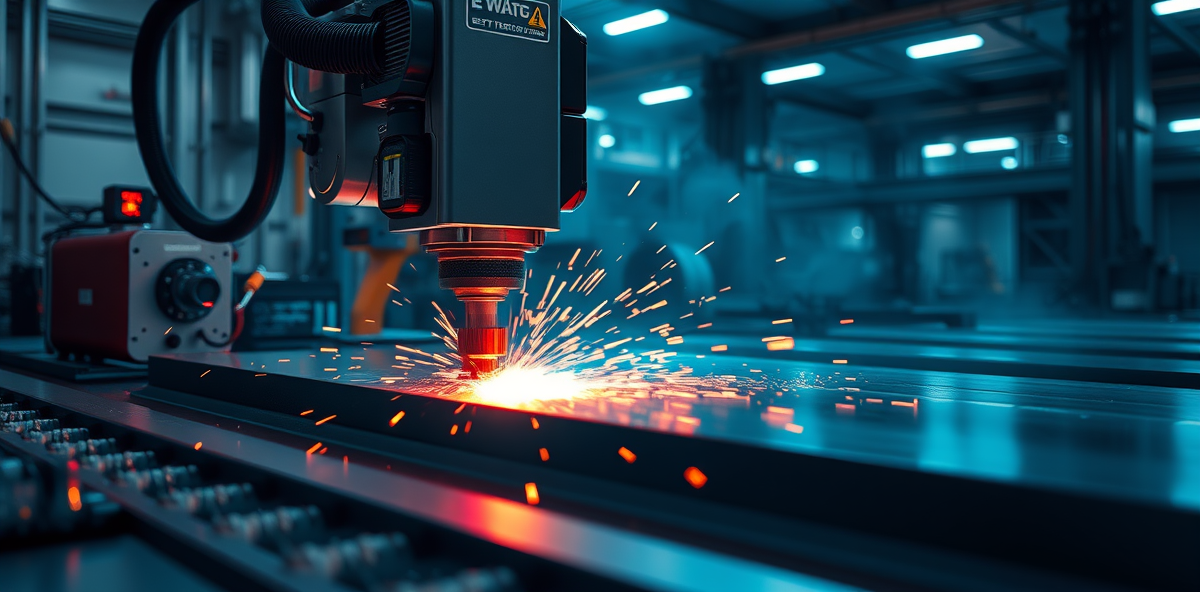
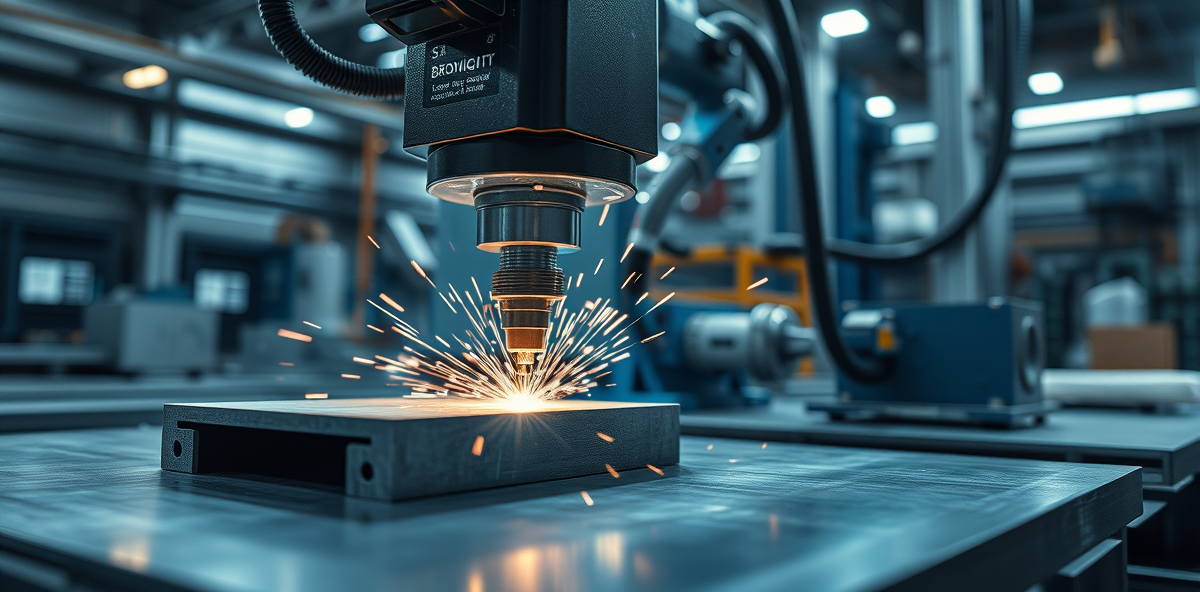
The process begins with pump diodes emitting light into the fiber core. As this light travels through the doped fiber, the rare-earth elements amplify it, creating a powerful laser beam. This beam is then focused through a lens onto the workpiece. The intense energy density causes localized melting and vaporization, while an assist gas (such as oxygen or nitrogen) helps to blow away the molten material, leaving behind a clean, precise cut edge. This non-contact process minimizes material distortion and heat-affected zones.
Advantages for Business
For a business owner, the operational benefits of fiber laser cutting are substantial. They offer significantly faster cutting speeds compared to CO2 lasers, especially on thin to medium-thick metals, leading to higher throughput. The minimal maintenance requirements and high energy efficiency translate into lower operating costs. Furthermore, the robust solid-state design of fiber lasers ensures greater reliability and a longer lifespan, reducing downtime and maximizing productivity, making them ideal for a dynamic market like India.
Diverse Applications: Where Laser Cutting Shines in India
The versatility of laser cutting, particularly `fiber laser cutting`, makes it indispensable across a multitude of sectors in the Indian manufacturing landscape. Its ability to process a wide range of materials with unparalleled accuracy opens doors to diverse business opportunities.
Key Industries Benefiting from Fiber Laser Cutting
- Automotive Industry: From intricate prototypes to mass-produced components like chassis parts, brackets, and exhaust systems, `metal laser cutting` ensures precision and speed, meeting the demanding standards of auto manufacturers.
- Aerospace Sector: The need for lightweight, high-strength materials like aluminum and titanium alloys in aerospace components requires exceptionally accurate cutting. `Fiber laser cutting` delivers the necessary precision for critical parts.
- Construction and Architecture: Custom architectural panels, structural elements, decorative screens, and intricate metalwork for building facades are all made possible with laser technology, offering design flexibility and high-quality finishes.
- Electronics Manufacturing: For delicate components, enclosures, and even circuit board stencils, the fine beam of a fiber laser provides the accuracy required for the electronics industry.
- Medical Devices: The stringent requirements for hygiene and precision in medical implants, surgical tools, and instrument casings make `metal laser cutting` an ideal solution for this critical sector.
- General Fabrication and Job Shops: Custom signages, furniture components, machinery parts, and bespoke metal art are common applications, allowing job shops to offer high-value, customized services with a Laser Cutting Machine.
- Agricultural Equipment: Manufacturing parts for tractors, irrigation systems, and other farm machinery often involves heavy-gauge `metal laser cutting` for durable and precise components.
Strategic Advantages of a Laser Cutting Business in India
Investing in a laser cutting business in India offers several strategic advantages, positioning enterprises for sustained growth and profitability in a competitive market.
Operational Efficiency and Cost Savings
Laser technology significantly reduces material waste due to its precise cutting path and nesting capabilities, optimizing sheet utilization. The high speed of `fiber laser cutting` translates into faster production cycles and quicker turnaround times for orders. This efficiency, combined with lower labor requirements per unit and reduced rejections, directly contributes to substantial cost savings and improved profit margins for your Laser Cutting Machine.
Precision and Quality
One of the hallmark benefits of laser cutting is the unparalleled precision it offers. Tolerances can be maintained within very narrow limits, producing components with smooth, burr-free edges that often require minimal or no post-processing. This superior quality enhances the aesthetic appeal and functional performance of the final product, helping businesses meet strict quality standards and build a reputation for excellence.
Versatility and Material Handling
A modern Laser Cutting Machine, especially a fiber laser, can proficiently cut a wide array of metals, including stainless steel, carbon steel, aluminum, brass, and copper, across various thicknesses. This versatility allows businesses to cater to a broader client base and adapt to diverse project requirements, from thin gauge sheets to thicker plates, increasing market reach and revenue streams.
Market Demand and Growth Potential
The Indian manufacturing sector is on an upward trajectory, with increasing automation and demand for high-quality, customized components. A laser cutting business is perfectly poised to capitalize on this growth, offering services that are crucial for modern industrial production. As industries continue to upgrade their processes, the demand for precision cutting services will only expand, ensuring robust growth potential for new ventures.
Navigating the Startup Journey: Key Steps to Launch Your Business
Establishing a successful laser cutting business in India requires meticulous planning and execution. A well-thought-out strategy will pave the way for sustainable operations and market penetration.
Market Research and Business Plan Development
Thorough market research is the foundational step. Identify your target customers (e.g., automotive ancillaries, fabrication units, architectural firms), analyze existing competition, and understand their pricing structures and service offerings. Develop a comprehensive business plan that outlines your services, pricing strategy, marketing plan, operational details, and financial projections, including return on investment for your Laser Cutting Machine.
Legalities and Registrations in India
Navigating the legal landscape is crucial. Register your business entity (e.g., Proprietorship, Partnership, Private Limited Company) with the appropriate authorities. Obtain a GST registration, and secure all necessary permits and licenses required for industrial operations in your state or region. Consider environmental clearances if your operations involve specific waste management or emissions, ensuring compliance with local regulations.
Financial Planning and Funding
The initial capital investment for a high-quality Laser Cutting Machine is significant. Prepare detailed financial forecasts encompassing equipment costs, infrastructure setup, raw material procurement, operational expenses, and marketing budgets. Explore various funding options, including bank loans, government schemes (like Mudra Yojana for MSMEs), venture capital, or self-funding, to ensure adequate working capital and sustainable growth.
Infrastructure and Location
Selecting the right location is paramount. You will need a suitable industrial space with adequate square footage for the Laser Cutting Machine, material storage, finished goods, and office space. Ensure reliable three-phase power supply, proper ventilation systems for fume extraction, and easy accessibility for material handling and transportation. The location should ideally be close to your target industries or have good logistical connections.
Selecting the Right Laser Equipment: A Critical Decision
The choice of your Laser Cutting Machine is arguably the most critical decision that will impact your business’s capabilities, efficiency, and profitability. A careful evaluation of various factors is essential to ensure you invest in the optimal equipment for your specific needs.
Power Output Considerations
The power of the fiber laser (measured in kilowatts, kW) directly correlates with its cutting capabilities. Higher power allows for faster cutting speeds on thinner materials and the ability to cut thicker metals. Assess the typical material types and thicknesses you intend to process to determine the ideal power output. For general `metal laser cutting` in India, powers ranging from 1kW to 6kW are common, but specialized applications might require higher power.
Machine Size and Bed Dimensions
Consider the maximum sheet size you anticipate processing. Laser Cutting Machines come with various bed sizes (e.g., 3000x1500mm, 4000x2000mm). Opting for a larger bed might increase initial cost but offers greater flexibility for bigger projects and optimized nesting. Also, evaluate the machine’s overall footprint to ensure it fits comfortably within your available workshop space while allowing for material handling.
Software and Automation
Modern laser cutting machines are integrated with sophisticated CAD/CAM software. Evaluate the ease of use, nesting capabilities, and compatibility with common design formats. Automation features, such as automatic nozzle changers, pallet changers, or material loading/unloading systems, can significantly enhance productivity and reduce manual labor, justifying a higher initial investment for long-term gains. This is particularly important for high-volume `fiber laser cutting` operations.
After-Sales Service and Support
Given the complexity and investment involved, robust after-sales service and technical support are paramount. Inquire about warranty, availability of spare parts, response times for service calls, and training programs for your operators. A reliable service partner can minimize downtime, ensuring your Laser Cutting Machine remains operational and productive, which is crucial in the fast-paced Indian manufacturing environment. A well-supported Laser Welding Machine would also benefit from this, if you plan to expand your services.
Why Lemon Laser Stands Out: Your Partner in Precision
Choosing the right technology partner is as crucial as selecting the right equipment. Lemon Laser emerges as a leading choice for businesses venturing into or expanding their `fiber laser cutting` capabilities in India. Our commitment to innovation, quality, and unparalleled customer support sets us apart in the industrial machinery landscape.
Lemon Laser understands the unique demands of the Indian market. Our Laser Cutting Machines are engineered with precision and built to withstand rigorous industrial environments, ensuring consistent performance and longevity. We integrate advanced components and cutting-edge technology to deliver superior cutting speeds, exceptional edge quality, and maximum material utilization, optimizing your operational efficiency.
Beyond our state-of-the-art machinery, Lemon Laser prides itself on comprehensive after-sales service. We offer extensive training programs for your operators, ensuring they are proficient and confident in operating the equipment safely and effectively. Our dedicated technical support team provides swift assistance and readily available spare parts, minimizing downtime and safeguarding your investment. Whether you are looking for a powerful Laser Cutting Machine or exploring the integration of a Laser Welding Machine into your operations, Lemon Laser is committed to being your reliable partner, driving your business towards greater heights of productivity and profitability.
Ensuring Longevity: Maintenance and Operational Best Practices
To maximize the lifespan, efficiency, and safety of your Laser Cutting Machine, establishing a robust maintenance and operational protocol is indispensable. Proactive care prevents costly breakdowns and ensures consistent, high-quality output, especially for continuous `metal laser cutting` operations.
Routine Maintenance Schedules
Implement a strict routine maintenance schedule as recommended by the manufacturer. This typically includes daily checks of the assist gas pressure and purity, cleaning of protective lenses and nozzles, and inspection of the cutting head. Weekly or monthly tasks might involve cleaning the machine bed, checking water chiller levels, inspecting optical components for dust or damage, and lubricating moving parts. Regular maintenance is key to preventing wear and tear.
Operator Training and Safety Protocols
Well-trained operators are crucial for both efficiency and safety. Ensure all personnel operating the Laser Cutting Machine undergo comprehensive training covering machine operation, software usage, basic troubleshooting, and safety procedures. Emphasize the importance of wearing appropriate personal protective equipment (PPE), such as laser safety glasses, and understanding emergency shutdown protocols. A culture of safety protects both personnel and equipment.
Consumables Management
Effectively managing consumables like nozzles, protective windows (cover slides), and focusing lenses is vital. These components directly impact cutting quality and machine performance. Keep a sufficient stock of genuine spare parts to avoid production delays. Regularly inspect these consumables for signs of wear or damage and replace them as needed to maintain optimal `fiber laser cutting` efficiency.
Software Updates and Calibration
Stay updated with the latest software versions provided by the machine manufacturer. Software enhancements often include performance improvements, new features, and bug fixes. Additionally, periodic calibration of the laser beam alignment and focal point ensures consistent cutting accuracy and prevents issues like beam drift or inconsistent cuts, maintaining the precision your business promises.
The Horizon of Manufacturing: Future Trends in Laser Technology
The landscape of manufacturing is constantly evolving, and laser technology is at the forefront of this transformation. Understanding future trends is crucial for businesses looking to stay competitive and innovative in the long term, especially within the dynamic Indian market for `metal laser cutting`.
Advancements in Laser Sources and Automation
Expect continued development in laser source power, efficiency, and beam quality. Higher power lasers will enable faster processing of thicker materials and new applications. The integration of advanced automation, including robotic material handling, artificial intelligence (AI) for process optimization, and machine learning for predictive maintenance, will make `fiber laser cutting` systems even more autonomous and intelligent, reducing human intervention and increasing output.
Industry 4.0 Integration
Laser cutting machines will become integral components of the broader Industry 4.0 ecosystem. This means seamless connectivity with other manufacturing systems, real-time data analytics, and cloud-based monitoring. Businesses will be able to optimize production schedules, track machine performance remotely, and implement proactive maintenance strategies based on data-driven insights. This level of integration will foster unprecedented efficiency and responsiveness in manufacturing operations.
New Materials and Processes
Research and development in laser technology are continuously expanding its capabilities beyond traditional `metal laser cutting`. Future applications will include more complex material processing, such as cutting composite materials, ceramics, and even highly reflective metals with greater ease. The synergy between laser cutting and other advanced processes like additive manufacturing (3D printing) will also open new avenues for hybrid manufacturing solutions, pushing the boundaries of what’s possible.
Conclusion: Forging Your Future in India’s Manufacturing Revolution
Starting a laser cutting business in India presents a compelling opportunity to enter a high-growth sector critical to the nation’s industrial development. With its precision, efficiency, and versatility, `fiber laser cutting` technology is not just a tool but a cornerstone of modern manufacturing. By understanding the market, meticulous planning, and strategic investment in the right equipment and support, entrepreneurs can establish a highly profitable and sustainable venture.
The journey involves careful consideration of business planning, legal compliance, financial structuring, and most importantly, selecting a reliable Laser Cutting Machine. With the right approach, coupled with robust maintenance and an eye on future technological advancements, your business can thrive, providing invaluable services to India’s burgeoning industries. Partnering with experienced providers like Lemon Laser ensures you have the cutting-edge technology and unwavering support needed to succeed in this exciting manufacturing revolution, whether it’s for a Laser Welding Machine or a state-of-the-art cutting system.