Currently Empty: ₹0.00
Is Laser Welding Safe for Beginners? A Comprehensive Guide for Industrial Adoption
Introduction: Demystifying Laser Welding Safety for Newcomers
Laser welding has rapidly transformed manufacturing processes across various industries, offering unparalleled precision, speed, and versatility. Its ability to create strong, clean welds with minimal heat input makes it an attractive technology for modern production lines. However, for those new to the field, particularly engineers, factory owners, and manufacturing companies considering adoption, questions about safety naturally arise.
The perception of powerful lasers can sometimes lead to apprehension, especially for beginners. This comprehensive guide aims to demystify the safety aspects of laser welding, providing a clear understanding of the technology, the necessary precautions, and the integrated safety features that make it a viable and safe option even for those taking their first steps. We will explore how with proper training, equipment, and adherence to protocols, laser welding can be safely and effectively integrated into your operations.
Understanding Laser Welding Technology and Its Safety Implications
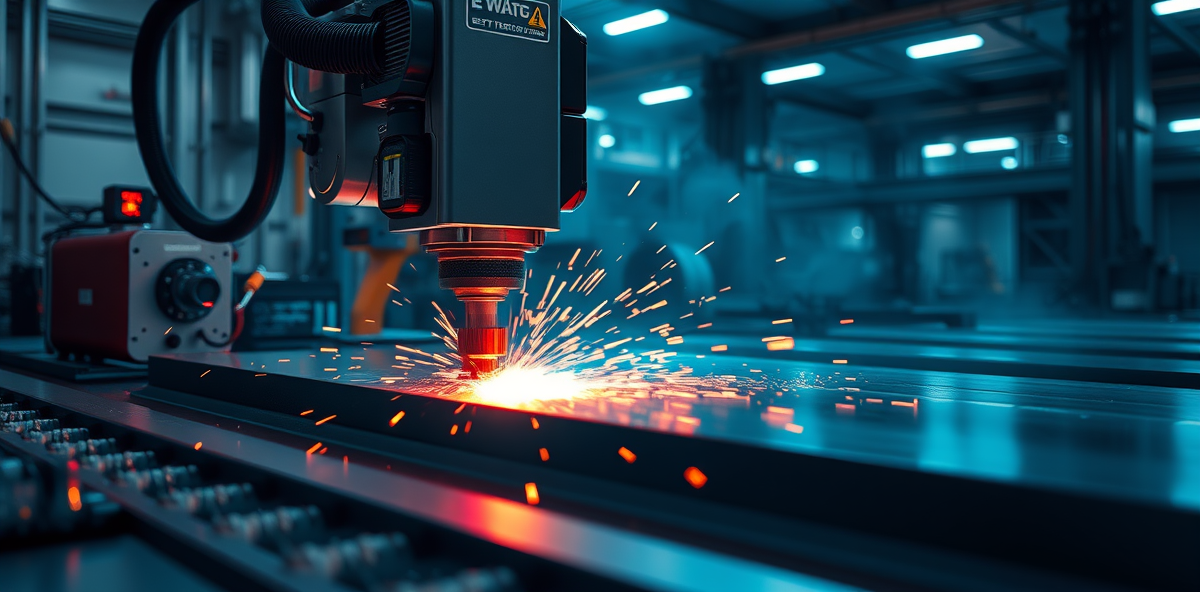
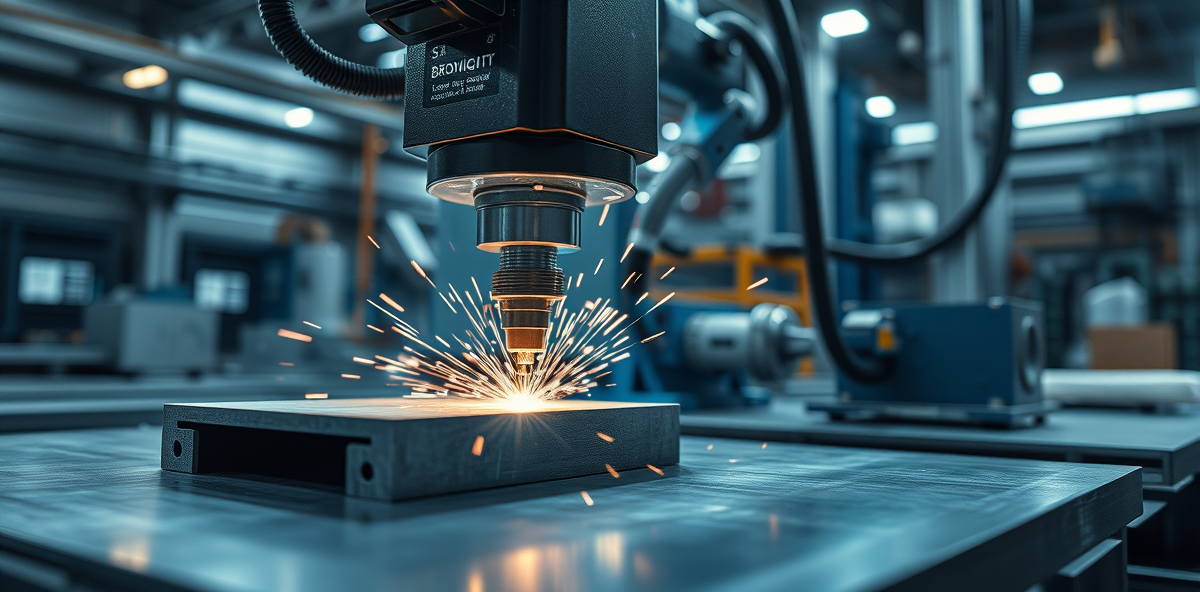
Laser welding utilizes a concentrated beam of light to melt and fuse materials, creating a strong metallurgical bond. Modern systems often employ fiber lasers, known for their efficiency and beam quality, making them ideal for precision applications. A typical laser welding machine consists of a laser source, a beam delivery system, a workstation, and often a sophisticated control unit.
While the technology offers numerous advantages, it also presents specific hazards that must be addressed. These primarily include laser radiation, potential exposure to harmful fumes and gases, electrical hazards, and the risk of beam reflection. Understanding these potential risks is the first step towards implementing effective safety measures, ensuring a secure working environment for all operators, including beginners.
Essential Safety Protocols for Laser Welding Beginners
Adhering to strict safety protocols is paramount when operating a laser welding machine. For beginners, a structured approach to safety training and equipment usage is critical. Here are the essential measures:
- Personal Protective Equipment (PPE): Operators must wear appropriate laser safety glasses or goggles, specifically rated for the laser’s wavelength and power. Flame-retardant clothing, leather gloves, and protective footwear are also necessary to guard against spatter and heat.
- Workplace Setup and Environmental Controls: The welding area should be designated as a laser-controlled zone, with clear warning signs. Adequate ventilation and fume extraction systems are crucial to remove harmful airborne contaminants produced during welding. Non-reflective surfaces in the work area help prevent stray beam reflections.
- Training and Certification: Comprehensive training is non-negotiable. Beginners should undergo certified training programs that cover laser theory, safe operation procedures, hazard identification, emergency protocols, and machine-specific safety features. Regular refresher training is also recommended.
- Emergency Procedures: Clearly defined emergency stop procedures and readily accessible emergency buttons are vital. Operators must be trained on how to respond to unforeseen events, including laser beam misdirection or equipment malfunction, and know the location of fire extinguishers.
By strictly following these protocols, beginners can confidently approach laser welding, minimizing risks and maximizing productivity.
Benefits of Modern Laser Welding for Industrial Applications
Beyond safety, the advantages of integrating modern laser welding into manufacturing operations are substantial. These benefits contribute to higher quality products, improved efficiency, and reduced operational costs.
- Precision and Quality: Laser welding delivers extremely precise welds with minimal distortion due to its focused energy and low heat input. This results in superior aesthetic quality and structural integrity, particularly critical for intricate components.
- Speed and Efficiency: The high power density of laser beams allows for very fast welding speeds, significantly reducing cycle times compared to traditional welding methods. This translates into increased throughput and overall production efficiency.
- Versatility in Materials: Laser welding can effectively join a wide range of materials, including dissimilar metals, and various alloys of steel, aluminum, and titanium. This versatility opens up new possibilities for product design and material selection.
- Reduced Heat Input and Distortion: The concentrated energy of a laser beam means heat is applied only to the immediate weld area. This minimizes the heat-affected zone (HAZ) and significantly reduces material distortion, eliminating the need for extensive post-welding straightening or machining.
These benefits, combined with proper safety measures, make laser welding a compelling choice for advanced manufacturing.
Applications Where Laser Welding Excels
The unique capabilities of laser welding have led to its widespread adoption across numerous industrial sectors, proving its versatility and efficiency. From joining small, delicate components to robust structural elements, a laser welding machine can handle diverse tasks.
- Automotive Industry: Laser welding is extensively used for joining chassis components, transmission parts, and body-in-white structures, contributing to lighter, stronger, and more fuel-efficient vehicles.
- Medical Devices: The precision and sterile nature of laser welding are ideal for manufacturing intricate medical instruments, implants, and electronic components where quality and biocompatibility are paramount.
- Aerospace Sector: In aerospace, laser welding is employed for fabricating engine components, airframe structures, and other critical parts where high strength-to-weight ratios and reliability are essential.
- Electronics Manufacturing: For delicate electronic components, laser welding provides a low-heat, high-precision solution for joining connectors, battery terminals, and micro-components without damaging sensitive surrounding circuitry.
- General Manufacturing: Beyond specialized industries, laser welding is increasingly used in general manufacturing for various sheet metal fabrications, often for parts that were initially processed by a laser cutting machine, showcasing an integrated approach to metal processing. The integration with processes like fiber laser cutting and metal laser cutting allows for seamless transitions from cutting to welding.
The ability to weld complex geometries and dissimilar materials makes laser welding an indispensable tool in modern manufacturing.
Choosing the Right Laser Welding Machine: Safety and Performance Considerations
Selecting the appropriate laser welding machine is a critical decision that balances performance requirements with robust safety features, especially when considering its use by beginners. A careful evaluation ensures both operational efficiency and a secure working environment.
- Power Levels and Material Compatibility: Match the laser power to the types and thicknesses of materials you intend to weld. Higher power is generally needed for thicker materials and higher production speeds. Ensure the machine is optimized for your specific material requirements, whether for delicate components or robust assemblies.
- Automation vs. Manual Systems: Consider your production volume and operator skill level. Automated or robotic laser welding systems offer enhanced consistency and safety by minimizing direct operator interaction with the laser beam. Manual systems require highly trained operators and more stringent safety protocols.
- Integrated Safety Features: Modern laser welding machines come with advanced safety interlocks, enclosed workstations, emergency stops, and warning systems. These features are vital for protecting operators, particularly beginners, from accidental exposure to laser radiation and other hazards.
- Supplier Support and Training: Choose a supplier that offers comprehensive installation support, operator training programs, and responsive technical assistance. Thorough training is crucial for beginners to understand both the operation and the safety aspects of the equipment.
Investing in a machine that prioritizes both functionality and operator safety is a wise decision for any manufacturing business.
Why Lemon Laser is the Trusted Partner for Safe and Efficient Laser Welding
When considering the adoption of laser technology, partnering with an experienced and reputable supplier is essential. Lemon Laser stands out as a leader in providing advanced laser solutions, including both laser welding machine and laser cutting machine technologies, with a strong emphasis on safety, quality, and customer support.
Lemon Laser’s commitment extends beyond just delivering high-performance machinery. They understand the nuances of industrial application and prioritize operator safety through rigorously engineered equipment and comprehensive training programs. Their machines are designed with integrated safety features, adhering to international standards, providing peace of mind for both seasoned professionals and beginners alike.
Furthermore, Lemon Laser offers expert guidance in selecting the right equipment for your specific needs, ensuring optimal performance and compliance with safety regulations. Their dedication to ongoing customer service, technical support, and accessible training resources empowers clients to maximize their investment safely and efficiently. Whether you’re exploring fiber laser cutting or high-precision laser welding, Lemon Laser provides robust solutions tailored to industrial buyers.
Maintenance and Operational Best Practices for Long-Term Safety
Regular maintenance and adherence to operational best practices are crucial for ensuring the long-term safety and efficiency of any laser welding machine. Neglecting these aspects can lead to decreased performance and increased safety risks.
- Regular Inspections: Conduct routine checks of all machine components, including the laser source, beam delivery system, cooling system, and safety interlocks. Look for any signs of wear, damage, or misalignment that could compromise safety or performance.
- Calibration and Alignment: Periodically calibrate and align the laser beam path to ensure optimal focus and power delivery. Proper alignment prevents stray laser radiation and maintains weld quality.
- Fume Extraction System Maintenance: The fume extraction system is vital for operator health. Regularly clean or replace filters and ensure proper airflow to effectively remove hazardous fumes and particles from the work area.
- Operator Refresh Training: Even experienced operators benefit from periodic refresh training on safety protocols, new machine features, and updated industry standards. This ensures continuous awareness and reinforcement of best practices, crucial for both laser welding and maintaining optimal fiber laser cutting operations.
A proactive approach to maintenance and ongoing training creates a safer, more reliable laser welding environment.
The Future of Safe Laser Technology in Manufacturing
The field of laser technology in manufacturing is continually evolving, with ongoing advancements promising even safer and more efficient operations. The future holds exciting prospects for enhanced safety features and integrated systems, further empowering beginners to engage with this technology.
Innovations in automation and artificial intelligence (AI) are leading to laser welding machines with predictive maintenance capabilities, real-time safety monitoring, and adaptive control systems that can detect and mitigate hazards before they occur. This reduces the reliance on manual oversight and enhances overall safety. New materials and designs are also leading to more robust and inherently safer laser enclosures and beam delivery systems.
Furthermore, the convergence of technologies like fiber laser cutting and laser welding is creating integrated production lines where safety protocols are harmonized across different processes. As safety standards become more rigorous globally, future laser systems will incorporate even more sophisticated interlocks, sensor technology, and user-friendly interfaces, making the adoption of a laser cutting machine or a laser welding machine safer and more intuitive for new users. The focus will remain on minimizing human exposure while maximizing the benefits of this transformative technology.
Conclusion: Empowering Beginners for Safe and Productive Laser Welding
For engineers, factory owners, and manufacturing companies, the question “Is laser welding safe for beginners?” can now be confidently answered with a resounding yes, provided proper measures are in place. While powerful, modern laser welding technology is inherently designed with numerous safety features and backed by established protocols that, when followed, ensure a secure working environment.
By understanding the technology, adhering to essential safety protocols, investing in quality equipment with integrated safety features, and committing to ongoing training and maintenance, beginners can safely and effectively harness the immense benefits of laser welding. Embracing this advanced manufacturing process with a safety-first mindset will not only protect your workforce but also unlock new levels of precision, efficiency, and quality in your production operations. Partnering with industry leaders like Lemon Laser ensures you have the support and expertise needed to navigate this powerful technology with confidence and security.