Currently Empty: ₹0.00
Maximizing Your Investment: A Comprehensive Guide to Increasing Fiber Laser Machine Life
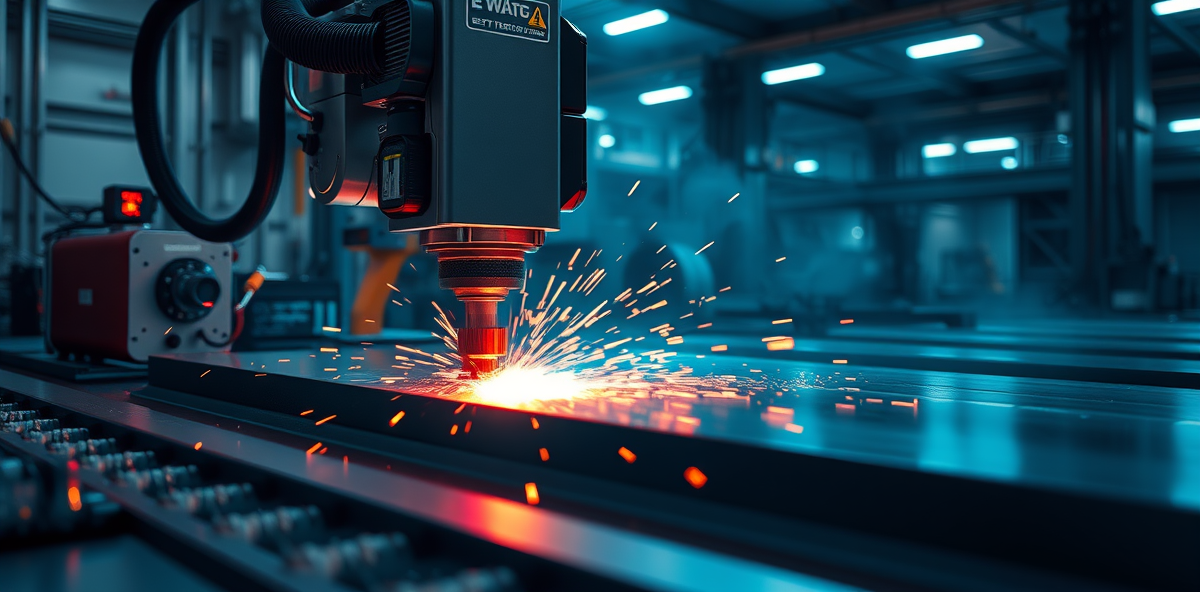
Fiber laser technology has revolutionized modern manufacturing, offering unparalleled precision, speed, and efficiency for a wide array of industrial applications. From intricate designs to robust structural components, the capabilities of a fiber Laser Cutting Machine are indispensable across various sectors.
However, investing in such advanced machinery represents a significant capital outlay for any factory owner or manufacturing company. Maximizing the return on this investment hinges critically on the longevity and sustained performance of the equipment. A proactive approach to care and maintenance is not merely about extending machine life; it’s about ensuring consistent operational excellence, minimizing downtime, and preserving the quality of your output. This comprehensive guide will delve into actionable strategies and essential fiber laser maintenance tips designed to help engineers and technicians unlock the full potential and extend the operational lifespan of their fiber laser machines. By implementing these practices, you can safeguard your investment, enhance productivity, and maintain a competitive edge in a demanding market.
What is Fiber Laser Technology?
Fiber laser technology represents a significant leap forward in laser innovation, distinguishing itself from traditional CO2 or YAG lasers. At its core, a fiber laser utilizes optical fibers doped with rare-earth elements like ytterbium as the active gain medium. These fibers amplify light generated by pump diodes, which is then directed through a flexible delivery fiber to the processing head. This unique architecture provides numerous advantages in industrial applications.
The coherent and high-quality beam produced by fiber lasers allows for incredibly precise material processing. This solid-state design eliminates the need for complex gas mixtures or fragile mirrors, common in older laser systems, contributing to its robust and compact nature. Fiber lasers are particularly adept at high-power applications, making them ideal for demanding tasks such as metal laser cutting and deep material engraving.
Applications of Fiber Laser Technology
The versatility of fiber laser technology makes it an indispensable tool across a vast spectrum of manufacturing applications. Its ability to process a wide range of materials, especially metals, positions it as a cornerstone in modern industrial production. A prominent application is fiber Laser Cutting Machine, where it excels in cutting intricate shapes with high accuracy and speed.
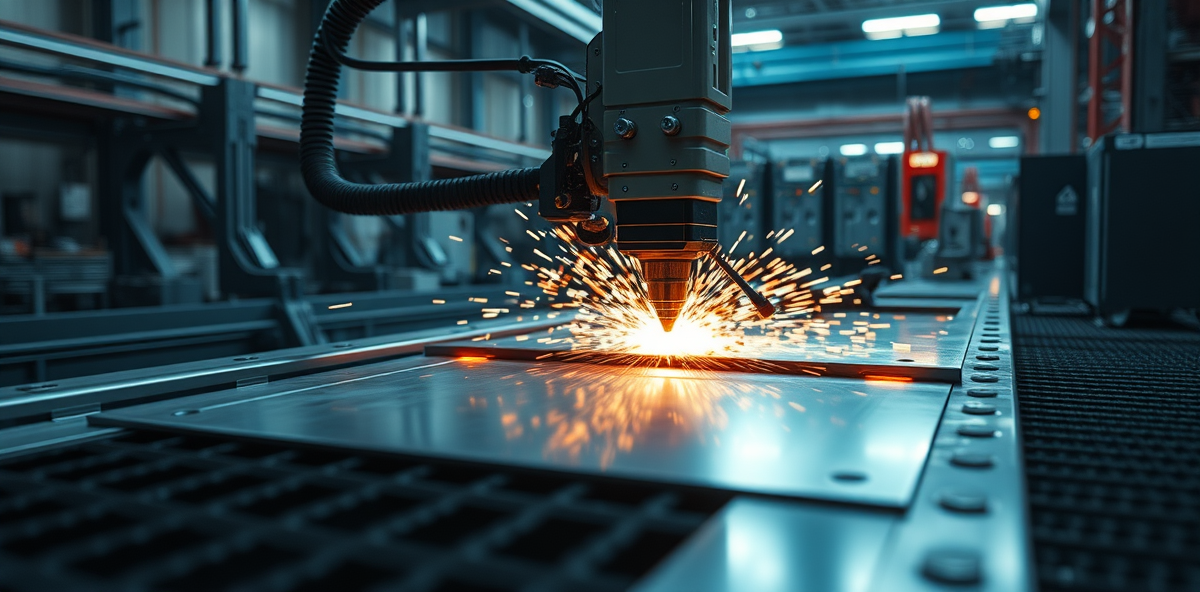
Fiber lasers are extensively used for metal laser cutting of various thicknesses, from thin foils to thick plates of steel, aluminum, brass, and copper. Beyond cutting, these machines are also critical for precision welding, with a fiber Laser Welding Machine offering superior speed and weld quality compared to traditional methods. Other key applications include laser marking, engraving, cleaning, and cladding, demonstrating the technology’s broad utility in industries like automotive, aerospace, medical device manufacturing, and general fabrication. The precision and efficiency afforded by fiber lasers ensure high-quality output and streamlined production processes.
Benefits of Fiber Lasers
Fiber laser technology offers a compelling array of benefits that directly contribute to its growing adoption and appeal in manufacturing. One of its primary advantages is exceptional energy efficiency, translating into lower operating costs compared to older laser systems. The solid-state design reduces power consumption significantly while delivering high-power output.
Furthermore, fiber lasers boast superior beam quality and focusability, enabling incredibly fine and precise cuts, especially crucial for detailed fiber laser cutting applications. Their robust construction and longer lifespan of critical components, such as pump diodes, contribute to reduced maintenance needs and greater uptime, provided proper fiber laser maintenance tips are followed. The compact footprint, ease of integration into automated systems, and minimal consumables further enhance their overall operational benefits, offering a strong return on investment for businesses seeking efficiency and precision in their manufacturing processes.
How to Choose the Right Laser Equipment (for Longevity)
Selecting the appropriate fiber laser equipment is a foundational step in ensuring its long and productive life. It goes beyond merely looking at the initial purchase price; engineers and factory owners must consider several factors that impact durability and sustained performance. Opt for machines from reputable manufacturers known for their quality components and rigorous engineering standards. The build quality of the machine frame, gantry system, and crucial optical components directly influences its stability and resistance to wear over time, especially during intensive metal laser cutting operations.
Consider the power source: ensure it is adequately sized for your intended applications without constantly running at maximum capacity, which can accelerate wear. Robust cooling systems, often overlooked, are paramount for protecting the laser source and optics from thermal stress, a critical factor in extending machine life. Furthermore, evaluate the ease of maintenance and availability of spare parts and technical support. A machine designed with user-friendly access for routine checks and backed by comprehensive service ensures that proper fiber laser maintenance tips can be implemented effectively, preventing minor issues from escalating into costly repairs.
Why Choose Lemon Laser
Lemon Laser stands out as a preferred choice for advanced laser equipment, distinguished by its commitment to engineering excellence and customer satisfaction. Our machines are designed with longevity and robust performance at their core, utilizing high-quality components from globally recognized suppliers. This meticulous selection ensures superior reliability and extended operational life, critical for demanding industrial environments.
We understand that the initial investment in a fiber Laser Cutting Machine or Laser Welding Machine requires confidence in its enduring value. Lemon Laser provides comprehensive technical support and expert guidance, empowering our clients to implement best practices for machine care effectively. Choosing Lemon Laser means investing in a partnership that prioritizes your machine’s uptime, productivity, and overall lifespan, ensuring a greater return on your advanced manufacturing technology.
Maintenance and Operational Tips: The Core of Increasing Fiber Laser Machine Life
The longevity of your fiber laser machine is not solely determined by its initial quality but significantly by the diligence of its maintenance and operational practices. Implementing a systematic approach to care can dramatically extend the lifespan of your equipment, ensuring consistent performance and minimizing unexpected downtime. These fiber laser maintenance tips are crucial for any manufacturing facility.
Regular Cleaning and Inspection
- Optics: Regularly inspect and clean the focus lens, protective windows, and nozzles. Use only approved cleaning solutions and lint-free wipes to prevent scratches. The frequency depends on the operating environment and material being processed.
- Machine Bed and Surrounding Area: Keep the work area free of metal scraps, dust, and other particles that can interfere with machine movement or contaminate sensitive components.
Optimal Cooling System Management
- Coolant Levels and Quality: Regularly check and maintain the appropriate coolant levels. Use distilled or deionized water with approved antifreeze/biocide additives to prevent algae growth and corrosion.
- Filter Cleaning/Replacement: Clean or replace chiller filters frequently to ensure proper airflow and prevent the cooling system from overworking.
- Temperature Control: Ensure the chiller is set to the manufacturer-recommended temperature range. Fluctuations can stress components and reduce efficiency.
Power Supply Stability and Electrical Checks
- Voltage Regulation: Implement surge protectors and voltage stabilizers to ensure a consistent power supply, especially in areas prone to electrical instability.
- Cable Integrity: Periodically inspect all electrical cables and connections for wear, fraying, or loose contacts. Secure connections prevent power interruptions and potential electrical hazards.
Gas Management (Assist Gases)
- Gas Purity: Use high-purity assist gases (oxygen, nitrogen, air) as recommended by the machine manufacturer. Impurities can leave residues on optics, necessitating more frequent cleaning and potential damage.
- Pressure Regulation: Maintain correct gas pressures to optimize cutting performance and protect the processing head from back-spatter.
Software and Firmware Updates
- Regularly check for and apply updates provided by the manufacturer. This ensures compatibility and leverages the latest advancements in control algorithms.
Operator Training and Best Practices
- Comprehensive Training: Ensure all operators are thoroughly trained on the machine’s specific functions, routine maintenance tasks, and emergency procedures.
- Adherence to Parameters: Operating the machine within recommended parameters for specific materials and thicknesses prevents unnecessary strain on the laser source and mechanical components, crucial for consistent metal laser cutting quality.
Preventive Maintenance Schedule
- Develop a Schedule: Based on manufacturer guidelines and machine usage, create daily, weekly, monthly, and annual checklists for inspections and maintenance tasks.
- Professional Servicing: Schedule periodic inspections and servicing by certified technicians. Their expertise can identify subtle issues, perform complex diagnostics, and ensure proper calibration.
Future of Laser Technology in Manufacturing
The landscape of manufacturing is continually evolving, and laser technology, particularly fiber lasers, is at the forefront of this transformation. The future promises even greater integration of smart technologies, automation, and enhanced capabilities, which will further contribute to the efficiency and potentially the longevity of these machines.
Advancements in artificial intelligence and machine learning are poised to introduce predictive maintenance systems, allowing machines to self-diagnose and alert operators to potential issues before they occur. This proactive approach, driven by data analytics, will optimize maintenance schedules and significantly extend machine life. We can also expect higher power outputs, more compact designs, and greater energy efficiency, broadening the applications of fiber laser technology and reinforcing its position as a cornerstone of advanced manufacturing. These innovations will continue to push the boundaries of precision and speed, making fiber Laser Cutting Machines and Laser Welding Machines even more indispensable.
Conclusion
A fiber laser machine represents a substantial investment and a pivotal asset in modern manufacturing operations. Its long-term value and sustained performance are not accidental but are the direct result of a diligent and systematic approach to maintenance and operational best practices. By embracing the fiber laser maintenance tips outlined in this guide, including meticulous cleaning, optimal cooling management, and adherence to a preventive schedule, engineers and factory owners can significantly extend the operational life of their equipment.
Maximizing the lifespan of your fiber laser not only protects your initial capital outlay but also ensures consistent output quality, minimizes expensive downtime, and boosts overall productivity. Investing in quality equipment from reputable suppliers like Lemon Laser, coupled with a commitment to proactive care, creates a synergy that drives efficiency, innovation, and profitability in the dynamic world of manufacturing. Prioritizing machine longevity is a strategic decision that underpins long-term success and a competitive edge.