Currently Empty: ₹0.00
The Ultimate Laser Cutting Machine Maintenance Checklist for Peak Performance and Longevity
In the demanding world of modern manufacturing, a Laser Cutting Machine stands as a cornerstone of precision and efficiency. These advanced systems are instrumental in shaping materials with unparalleled accuracy, crucial for various industries from automotive to aerospace. However, like any sophisticated industrial equipment, the optimal performance and longevity of your Laser Cutting Machine are directly tied to a diligent maintenance regimen. Neglecting regular care can lead to costly downtime, inconsistent cut quality, and premature component failure.
This comprehensive guide provides an essential laser machine maintenance checklist, designed to empower engineers, factory owners, and manufacturing companies with the knowledge to keep their machines running at peak efficiency. Implementing a robust maintenance schedule is not merely about preventing breakdowns; it’s about maximizing productivity, ensuring safety, and safeguarding your significant investment in fiber laser cutting technology.
Why a Robust Laser Machine Maintenance Checklist is Non-Negotiable
The operational success of a manufacturing facility heavily relies on the consistent performance of its machinery. For a Laser Cutting Machine, particularly those engaged in high-volume metal laser cutting, a meticulous maintenance checklist is more than just a recommendation—it’s an operational imperative. Proactive maintenance directly translates into tangible benefits that impact your bottom line and production capabilities.
Firstly, it significantly reduces the risk of unexpected breakdowns, which can halt production and incur substantial repair costs and lost revenue. Secondly, regular checks ensure superior cut quality and consistency, critical for meeting stringent industry standards and client expectations. Furthermore, a well-maintained Laser Cutting Machine operates more safely, protecting your valuable personnel from potential hazards. Ultimately, a structured laser machine maintenance checklist enhances the lifespan of your equipment, providing a greater return on your initial investment.
Understanding Your Fiber Laser Cutting System: Key Components for Maintenance
Modern Laser Cutting Machines, especially those employing fiber laser cutting technology, are marvels of engineering, combining optics, mechanics, electronics, and software. To effectively maintain these systems, it’s crucial to understand their core components and their respective roles. Each part plays a vital role in the cutting process and requires specific attention during maintenance.
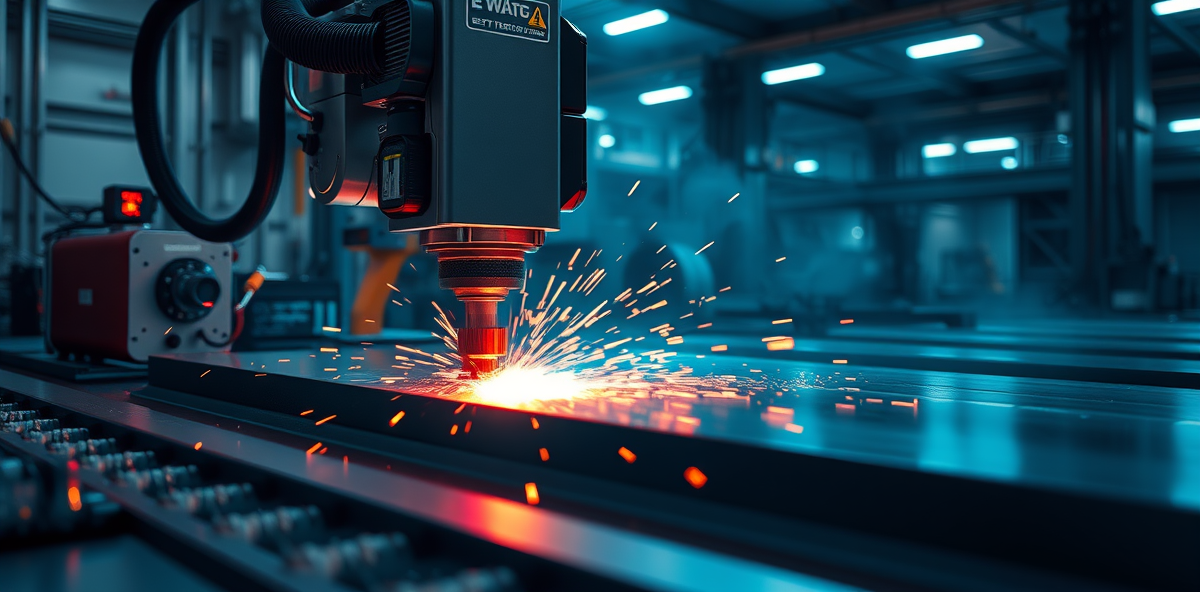
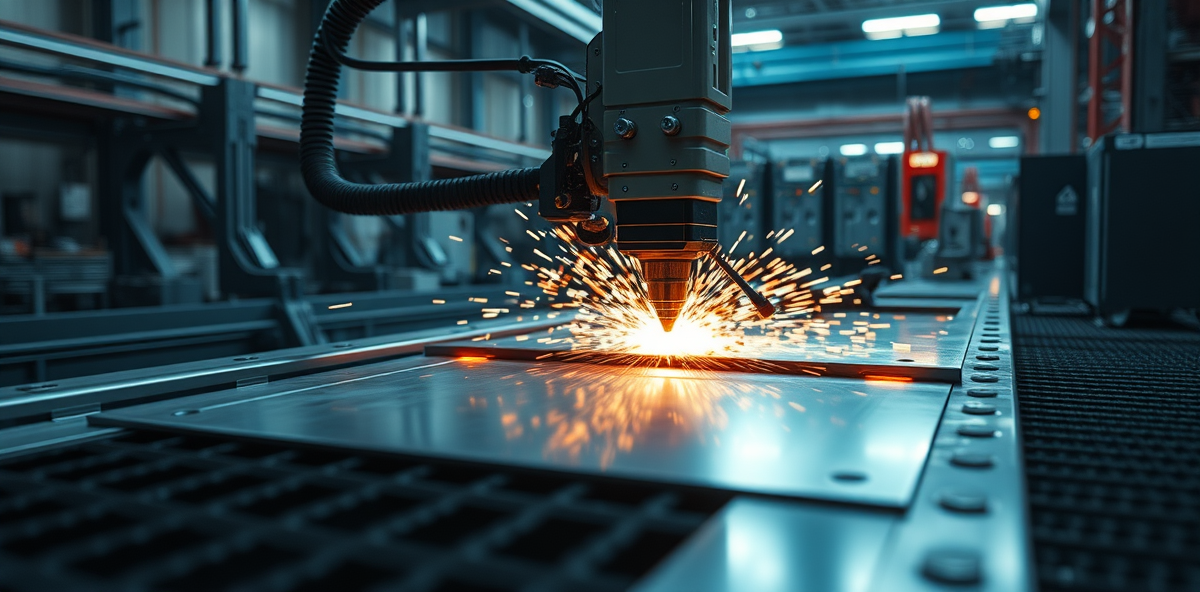
Key components include the laser source, which generates the powerful laser beam; the cutting head, which focuses and directs the beam onto the material; the optical path, consisting of mirrors and lenses that guide and focus the beam; the chiller, essential for regulating the laser source’s temperature; the gas system, which delivers assist gases for the cutting process; the motion system (gantries, rails, ball screws), ensuring precise movement; and the dust collector, crucial for managing debris and fumes. Each of these elements contributes to the overall performance and must be regularly inspected and maintained according to the laser machine maintenance checklist.
The Comprehensive Laser Cutting Machine Maintenance Checklist
Implementing a systematic maintenance approach is vital for the sustained operation of your Laser Cutting Machine. This detailed laser machine maintenance checklist outlines critical tasks categorized by frequency, ensuring no essential aspect is overlooked for optimal fiber laser cutting performance.
Daily Maintenance Checks
- Nozzle Inspection and Cleaning: Visually inspect the nozzle for any signs of wear, damage, or contamination. A clean, properly aligned nozzle is crucial for consistent beam delivery and cut quality, especially in metal laser cutting. Use a dedicated cleaning tool or lint-free cloth to gently remove any spatter or debris.
- Protective Lens Inspection and Cleaning: Check the protective lens within the cutting head for dust, scratches, or spatter. Even minor imperfections can significantly degrade beam quality and cutting efficiency. Clean with a specific lens tissue and optical cleaning solution, ensuring no residue remains.
- Cutting Gas Pressure Verification: Confirm that the pressures of your assist gases (e.g., oxygen, nitrogen, compressed air) are set correctly according to the material and thickness being cut. Incorrect pressures can lead to poor cut quality, dross, or incomplete cuts.
- Chiller Temperature and Water Level: Verify that the chiller’s water temperature is within the manufacturer’s recommended range and that the water level is adequate. The chiller is critical for dissipating heat from the laser source, and improper cooling can severely impact laser performance and longevity.
- Work Area Cleanliness and Debris Removal: Clear the cutting bed, surrounding areas, and under the gantry of any slag, small off-cuts, or accumulated dust. A clean environment prevents interference with the motion system and reduces fire hazards.
Weekly Maintenance Checks
- Optical Path Inspection (External): While a full internal inspection is less frequent, check external mirrors and beam delivery components for visible dust or smudges. Ensure they are clean without touching the optical surfaces directly, unless following specific manufacturer instructions for cleaning.
- Lubrication of Guide Rails and Ball Screws: Apply the recommended lubricant to the linear guide rails, ball screws, and gear racks of the motion system. Proper lubrication ensures smooth, accurate movement of the cutting head and prevents premature wear, crucial for precision in metal laser cutting.
- Dust Collector Filter Inspection and Cleaning: Inspect the filters in your dust collection system for blockage or excessive buildup. Clean or replace filters as necessary to maintain efficient fume extraction and prevent dust from re-entering the workshop environment or settling on critical machine components.
- Beam Alignment Verification (if applicable/recommended): Some systems may require periodic beam alignment checks to ensure the laser beam is precisely centered through the nozzle. Refer to your machine’s manual for specific procedures, as improper alignment can lead to poor cut quality and component wear.
- Cutting Bed Cleaning and Slat Inspection: Thoroughly clean the entire cutting bed, removing all accumulated slag and small parts. Inspect the cutting slats for heavy wear or damage. Severely worn slats can affect cut quality by reflecting the laser or impeding proper part support.
Monthly Maintenance Checks
- Thorough Cleaning of Laser Source Cooling Fins: Over time, dust and debris can accumulate on the cooling fins of the laser source, impeding heat dissipation. Use compressed air or a soft brush to carefully clean these fins, ensuring optimal cooling and stable laser output.
- Inspection of Electrical Connections and Cables: Power down the machine and visually inspect all accessible electrical connections and cables for signs of wear, fraying, or loose connections. Tighten any loose terminals to prevent electrical faults and ensure safe operation.
- Calibration of Cutting Parameters: Periodically verify and, if necessary, re-calibrate cutting parameters for common materials and thicknesses. This ensures that the laser power, speed, assist gas pressure, and focus settings are optimized for consistent, high-quality results.
- Chiller Water Replacement: Drain and refill the chiller with fresh deionized or distilled water mixed with the manufacturer-specified anti-corrosive and anti-algae additives. This prevents biological growth and corrosion, which can damage the chiller and laser source.
- Check and Adjust Focus: Verify the focal position of the laser beam, which is critical for achieving precise cuts. Use the manufacturer’s recommended method to confirm and adjust the focus as needed, as an incorrect focal point leads to poor cut quality and increased processing time.
Quarterly/Bi-Annual Maintenance Checks
- Deep Cleaning of Entire Optical Path: This involves a more thorough inspection and cleaning of all mirrors and lenses within the beam delivery system. This task may require partial disassembly of components and should be performed carefully, following strict cleanliness protocols to avoid introducing contaminants.
- Replacement of Critical Filters (Gas, Dust Collector): Replace air filters in the pneumatic system, gas line filters, and main filters in the dust collector. Fresh filters ensure clean assist gases, protect pneumatic components, and maintain effective fume extraction.
- Inspection of Transmission System (Belts, Gears): Check drive belts for tension and wear, and inspect gears for signs of damage or excessive backlash. Adjust tension or replace components as necessary to maintain precise motion control and prevent jerking or inaccurate cuts.
- Software and Firmware Updates: Check for and install any available software or firmware updates for your Laser Cutting Machine. These updates often include performance enhancements, bug fixes, and new features that can improve efficiency and functionality.
- Safety Interlock System Check: Verify the proper functioning of all safety interlocks, emergency stop buttons, and protective enclosures. These safety features are paramount for operator protection and must be fully operational.
Annual Maintenance (Professional Service)
- Comprehensive System Diagnostics: Engage a certified service technician for a full diagnostic check of the entire Laser Cutting Machine system. This includes checking laser power output, beam quality, electrical system integrity, and mechanical component wear.
- Laser Source Power Verification and Recalibration: Professional technicians can accurately measure the laser output power and recalibrate the system to ensure it meets specifications. This is vital for maintaining consistent cutting performance.
- Alignment and Calibration by Certified Technicians: Expert technicians can perform precise alignment of the optical path and calibration of all motion systems, ensuring the machine operates to its original specifications for ultimate precision, especially for demanding metal laser cutting applications.
- Major Component Wear Assessment: A professional service includes a thorough inspection of critical wear parts such as bearings, motors, and structural components. This allows for proactive replacement before a failure occurs, preventing significant downtime.
Optimizing Performance through Best Practices in Fiber Laser Cutting
Beyond the laser machine maintenance checklist, adopting best practices significantly contributes to the longevity and performance of your Laser Cutting Machine. Consistent operational habits and a deep understanding of the machine’s capabilities can elevate your fiber laser cutting operations to new levels of efficiency and quality.
Ensure that operators are thoroughly trained not only on machine operation but also on basic daily maintenance tasks and troubleshooting. Proper material handling and storage prevent damage that could impact cutting quality. Furthermore, selecting the correct parameters for each specific material and thickness, especially for diverse metal laser cutting applications, minimizes stress on components and maximizes output quality. A clean and stable power supply is also crucial for protecting sensitive electronics.
Benefits of a Proactive Laser Machine Maintenance Strategy
Adhering to a stringent laser machine maintenance checklist offers a multitude of benefits that directly impact your manufacturing operation’s efficiency, profitability, and safety. These advantages extend far beyond simply keeping the machine running; they contribute to a more robust and reliable production environment.
- Extended Equipment Lifespan: Regular maintenance minimizes wear and tear on critical components, significantly prolonging the operational life of your Laser Cutting Machine, thus deferring the need for costly replacements.
- Reduced Downtime and Operational Costs: Proactive checks identify potential issues before they escalate into major breakdowns, preventing unscheduled stoppages and reducing the overall cost of repairs and emergency services.
- Improved Cut Quality and Consistency: A well-maintained machine, with clean optics and precisely aligned components, consistently produces high-quality cuts, reducing rework and material waste. This is especially important for precision metal laser cutting.
- Enhanced Safety for Operators: Regular inspection of safety interlocks, emergency stops, and fume extraction systems ensures a safer working environment for your personnel.
- Higher ROI on Your Investment: By ensuring optimal performance and extending the machine’s life, a proactive maintenance strategy maximizes the return on your substantial investment in fiber laser cutting technology.
Choosing the Right Laser Equipment and Supporting Maintenance
When investing in a Laser Cutting Machine, selecting a manufacturer that prioritizes ease of maintenance, component accessibility, and robust support is paramount. The initial purchase is just the beginning; the long-term cost of ownership is heavily influenced by how easily and affordably the machine can be maintained.
Look for machines designed with modular components and clear access points for routine checks and replacements. A reputable manufacturer, like Lemon Laser, provides comprehensive user manuals, detailed maintenance schedules, readily available spare parts, and responsive technical support. This commitment ensures that you have the resources and guidance necessary to effectively implement your laser machine maintenance checklist, minimizing operational interruptions and maximizing uptime. Lemon Laser’s dedication to quality and service means you’re not just buying a machine, but a partner in your manufacturing success.
The Future of Laser Cutting Machine Maintenance in Manufacturing
The landscape of manufacturing is constantly evolving, and so too is the approach to machine maintenance. The future of Laser Cutting Machine maintenance is poised for significant advancements, driven by Industry 4.0 technologies. Predictive maintenance, powered by IoT sensors and artificial intelligence, will revolutionize how manufacturers approach their laser machine maintenance checklist.
Sensors will monitor machine health in real-time, detecting anomalies and predicting potential failures before they occur. AI algorithms will analyze data to optimize maintenance schedules, recommend specific actions, and even order replacement parts automatically. This shift from reactive or scheduled maintenance to condition-based and predictive strategies will further minimize downtime, reduce costs, and enhance the overall efficiency and reliability of fiber laser cutting operations, especially in large-scale metal laser cutting facilities. While these technologies mature, a diligent, manual laser machine maintenance checklist remains your most powerful tool.
Conclusion: Ensuring Longevity and Peak Performance with Your Laser Machine Maintenance Checklist
A Laser Cutting Machine is an invaluable asset in any modern manufacturing environment, offering precision, speed, and versatility across a wide range of materials, particularly in demanding metal laser cutting applications. To fully leverage this sophisticated technology and ensure its continued high performance and extended lifespan, a rigorous and well-executed laser machine maintenance checklist is absolutely indispensable.
By committing to daily, weekly, monthly, and annual maintenance tasks—from simple cleanings to expert professional servicing—you protect your investment, optimize your production quality, and maintain a safe operational environment. Embrace proactive maintenance as a core component of your manufacturing strategy, and your Laser Cutting Machine will continue to deliver exceptional results for years to come. Consistency and attention to detail in your maintenance routine are the keys to unlocking the full potential of your fiber laser cutting capabilities.