Currently Empty: ₹0.00
Understanding Laser Welding Defects: A Comprehensive Guide for Manufacturers
Introduction
Laser welding stands as a cornerstone in modern manufacturing, revered for its precision, speed, and ability to create strong, clean welds. From automotive components to medical devices to aerospace structures, its applications are vast and critical. However, like any advanced manufacturing process, laser welding is not immune to imperfections. Understanding and mitigating common defects is paramount for achieving optimal quality, reducing rework, and ensuring the structural integrity of welded parts. This guide delves into the prevalent defects encountered in laser welding, exploring their causes, and offering practical strategies for prevention and resolution.
What is Laser Welding?
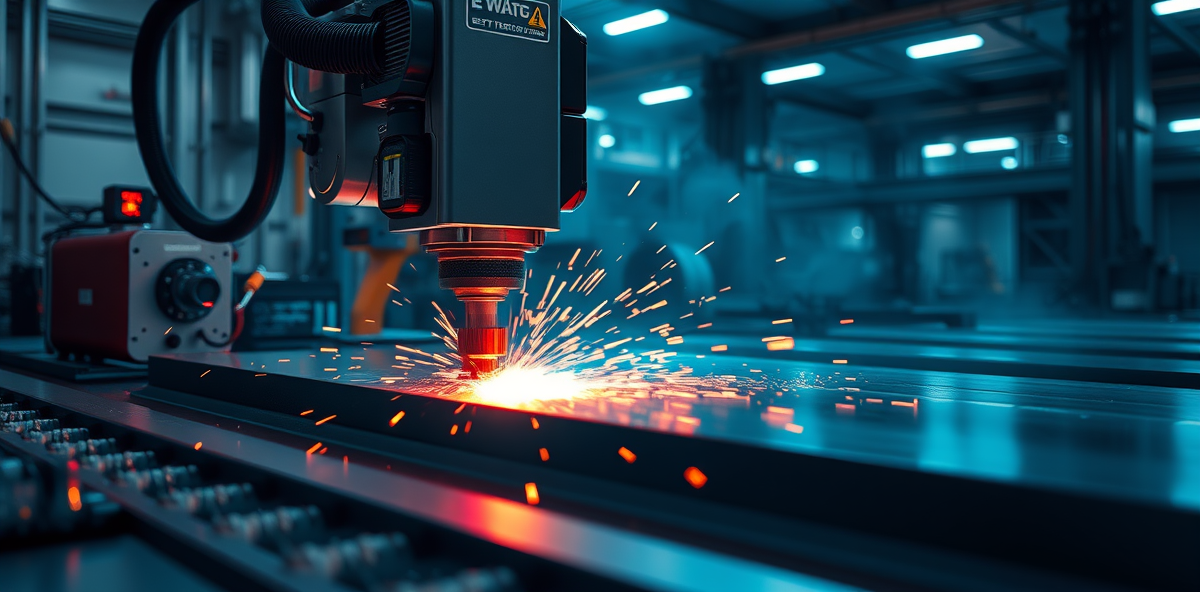
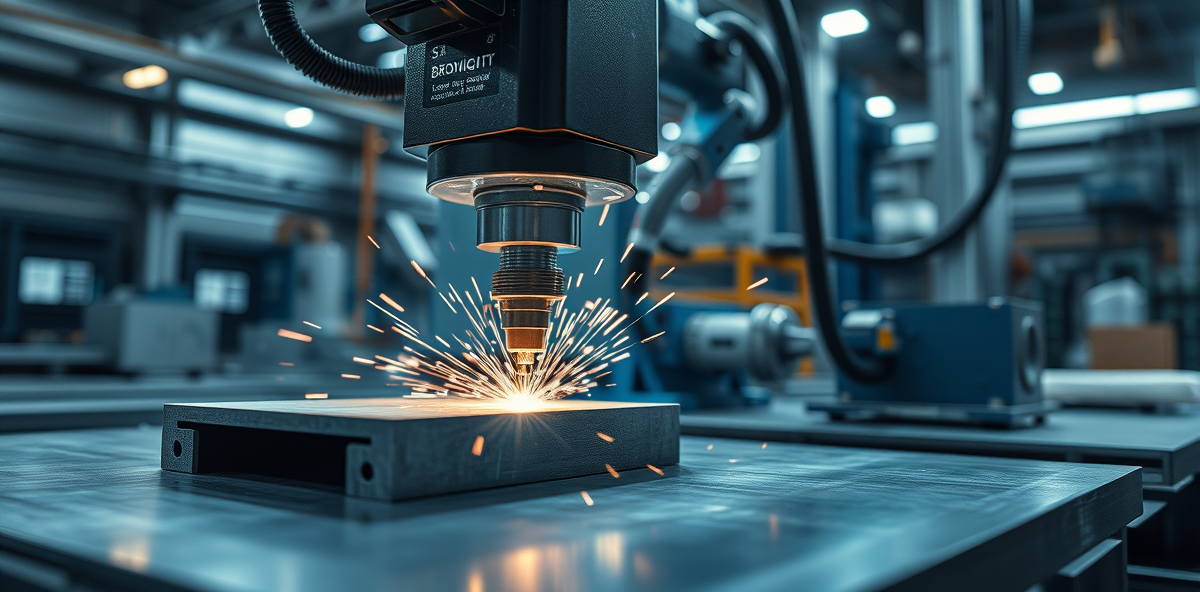
Laser welding is a fusion process that utilizes a highly concentrated laser beam as a heat source to join materials. The intense energy from the laser melts the edges of the workpieces, which then fuse together upon solidification, forming a strong metallurgical bond. This non-contact process offers significant advantages, including minimal heat-affected zones, high welding speeds, deep penetration, and the ability to join dissimilar metals. The precision offered by a laser welding machine makes it indispensable across various industries.
Common Defects in Laser Welding
Even with advanced laser technology, several defects can compromise the quality and performance of laser-welded joints. Identifying and understanding these imperfections is the first step toward effective troubleshooting and process optimization.
Porosity
Porosity refers to the presence of small, gas-filled voids or holes within the solidified weld metal. These can appear as spherical or elongated cavities and significantly reduce the mechanical strength and ductility of the weld.
- Causes: Entrapment of shielding gases, impurities in the base material, inadequate pre-cleaning, or excessively fast cooling rates that prevent gas escape.
- Impact: Weakened weld strength, potential for leak paths in sealed components, and reduced fatigue resistance.
Cracking
Cracking is a severe defect that manifests as fractures within the weld bead or in the heat-affected zone (HAZ). Cracks can propagate under stress, leading to catastrophic failure.
- Hot Cracking: Occurs during the solidification of the weld metal at elevated temperatures. It’s often associated with segregation of low-melting point impurities to grain boundaries.
- Cold Cracking: Also known as hydrogen-induced cracking, it occurs after the weld has cooled, sometimes hours or days later. It’s typically caused by a combination of hydrogen presence, susceptible microstructure, and residual stresses.
- Causes: High thermal stresses, incorrect material selection, high carbon or alloy content, hydrogen embrittlement, or improper joint design.
Undercut
Undercut is a groove melted into the base metal adjacent to the toe of the weld, left unfilled by weld metal. It appears as a sharp notch along the weld seam.
- Causes: Excessive laser power, too high welding speed, incorrect beam focus, or improper shielding gas flow that creates a vacuum effect.
- Impact: Stress concentration points, leading to reduced fatigue strength and potential for crack initiation.
Burn-Through / Melt-Through
Burn-through occurs when the laser beam completely penetrates the workpiece, creating a hole rather than a weld. Melt-through is a less severe version where excessive penetration causes a sagging or collapse of the weld pool on the underside.
- Causes: Overly high laser power for the material thickness, slow welding speed, or insufficient backing support.
- Impact: Structural weakness, potential for leaks, and extensive rework or scrap.
Incomplete Penetration
This defect occurs when the weld metal does not fully extend through the thickness of the joint, leaving an unfused root. It means the laser beam did not penetrate deeply enough to create a full-strength bond.
- Causes: Insufficient laser power, too high welding speed, incorrect focus position, or poor joint fit-up.
- Impact: Significantly reduced weld strength, especially in butt joints, leading to premature failure under load.
Excessive Spatter
Spatter refers to small, molten metal droplets ejected from the weld pool that solidify on the surface of the workpiece adjacent to the weld bead. While not always structurally critical, it is undesirable for aesthetic reasons and can require costly post-weld cleaning.
- Causes: High laser power density, improper shielding gas, rapid vaporization of contaminants, or unstable keyhole formation.
- Impact: Unsightly appearance, potential for subsequent component failure if spatter obstructs critical functions, and increased finishing costs.
Poor Weld Bead Geometry
The shape and profile of the weld bead are crucial indicators of weld quality. Deviations from the ideal geometry can compromise strength and appearance.
- Concave Weld: The weld bead surface is below the parent material surface.
- Convex Weld: The weld bead surface is significantly above the parent material surface, often with a narrow, high crown.
- Irregular Weld: Inconsistent width, height, or surface finish along the weld seam.
- Causes: Incorrect laser power, welding speed, focal position, or inconsistent material feed.
- Impact: Reduced load-bearing capacity, stress concentrations, and difficulty in subsequent coating or finishing processes.
Misalignment and Offset
These defects relate to the incorrect positioning of the laser beam relative to the joint line or improper fit-up of the workpieces.
- Misalignment: The laser beam is not centered on the joint.
- Offset: One workpiece is higher or lower than the other.
- Causes: Inaccurate fixturing, poor part tolerance, or incorrect robot programming for automated systems.
- Impact: Incomplete fusion, asymmetric welds, stress concentrations, and reduced joint strength.
Oxidation and Discoloration
Oxidation manifests as a change in color, often a dull gray, blue, or black film, on the weld surface and adjacent HAZ. This is caused by the interaction of hot metal with atmospheric oxygen.
- Causes: Inadequate or improper shielding gas coverage, impurities in the shielding gas, or excessive heat input.
- Impact: Reduced corrosion resistance, compromised aesthetic appearance, and potential for further processing issues like painting or plating.
Lack of Fusion
Lack of fusion occurs when the weld metal fails to completely merge with the base metal or with previous weld passes. It results in unfused areas within the joint.
- Causes: Insufficient heat input, improper joint preparation, high welding speed, or contaminants on the joint surface.
- Impact: Severe reduction in weld strength and integrity, creating potential initiation points for cracks.
Causes of Laser Welding Defects
Understanding the root causes of these defects is essential for implementing effective preventative measures. These causes can generally be categorized into material, process, equipment, and environmental factors.
Material-Related Factors
The composition, surface condition, and thickness of the materials being welded play a significant role.
- Material Impurities: Contaminants like sulfur or phosphorus can promote hot cracking and porosity.
- Surface Contamination: Oils, grease, rust, or paint on the material surface can vaporize during welding, leading to porosity and spatter.
- Material Thickness and Type: Different materials and thicknesses require specific power and speed settings. Incorrect parameters can lead to burn-through or incomplete penetration.
- Dissimilar Metals: Welding dissimilar metals can introduce challenges due to varying thermal expansion coefficients and melting points, increasing the risk of cracking and solidification issues.
Process Parameter Factors
The settings chosen for the laser welding machine are critical to weld quality.
- Laser Power: Too low leads to incomplete penetration; too high causes burn-through or undercut.
- Welding Speed: Too slow can cause burn-through or excessive heat input; too fast can lead to incomplete penetration or lack of fusion.
- Focal Position: The distance between the lens and the workpiece. Deviations from the optimal focal point affect beam intensity and penetration depth.
- Pulse Parameters (for pulsed lasers): Pulse duration, frequency, and peak power influence heat input and weld pool dynamics.
- Shielding Gas: Type, flow rate, and purity of the shielding gas are crucial for preventing oxidation, porosity, and spatter. Argon and helium are common choices.
Equipment Factors
The condition and calibration of the laser welding equipment directly impact performance.
- Beam Quality: Poor beam quality due to dirty optics or misaligned components can result in an inconsistent weld bead.
- Optics Contamination: Dust or spatter on the focusing lens can scatter the laser beam, reducing power density and causing inconsistent welds.
- Gantry/Robot Accuracy: Inaccuracies in the motion system can lead to misalignment and inconsistent weld paths.
- Power Supply Instability: Fluctuations in laser power output can lead to variations in weld quality.
Environmental Factors
Even the surrounding environment can influence the welding process.
- Air Currents: Disruptions in shielding gas coverage due to drafts can lead to oxidation and porosity.
- Humidity: Moisture in the air can introduce hydrogen, contributing to cold cracking.
Preventing Laser Welding Defects
Proactive measures and strict adherence to best practices are essential for minimizing defects and achieving consistently high-quality laser welds.
Pre-Weld Preparation
Thorough preparation sets the foundation for a successful weld.
- Material Cleaning: Ensure workpieces are free from oils, grease, rust, paint, and other contaminants. Solvent cleaning or mechanical abrasion may be necessary.
- Joint Fit-Up: Achieve precise fit-up with minimal gaps between parts. Poor fit-up can lead to incomplete penetration or burn-through.
- Fixture Design: Use robust and accurate fixtures to hold parts securely, preventing misalignment and distortion during welding.
Optimizing Process Parameters
Careful selection and fine-tuning of welding parameters are critical.
- Parameter Development: Conduct systematic trials to establish optimal laser power, welding speed, focal position, and shielding gas settings for each material and joint configuration.
- Process Monitoring: Utilize sensors and real-time monitoring systems to track key parameters and detect deviations.
- Feedback Control: Implement closed-loop control systems where possible to automatically adjust parameters based on sensor feedback.
Equipment Calibration and Maintenance
Regular maintenance ensures the laser welding machine operates at peak performance.
- Optics Cleaning: Regularly inspect and clean focusing lenses, protective windows, and mirrors to maintain beam quality.
- Beam Alignment: Periodically check and adjust beam alignment to ensure the laser energy is precisely delivered to the workpiece.
- Component Inspection: Inspect all mechanical and electrical components for wear, damage, or loose connections.
- For companies that also engage in laser cutting machine operations, similar rigorous maintenance protocols are equally vital to ensure precise laser cutting machine functionality and optimal results in fiber laser cutting and metal laser cutting applications.
Shielding Gas Management
Proper shielding gas application is fundamental for preventing oxidation and porosity.
- Gas Purity: Use high-purity shielding gases (e.g., 99.999% argon).
- Flow Rate Optimization: Ensure an adequate flow rate to cover the weld pool and HAZ without creating excessive turbulence.
- Nozzle Design: Select appropriate nozzle designs and positions to provide effective gas coverage.
Quality Control and Inspection
Implementing robust inspection methods helps identify defects early and provides feedback for process improvement.
- Visual Inspection: For surface defects like spatter, undercut, and poor bead geometry.
- Non-Destructive Testing (NDT):
- Radiography (X-ray): Detects internal defects like porosity, incomplete penetration, and cracking.
- Ultrasonic Testing: Identifies internal flaws and measures weld depth.
- Dye Penetrant Inspection: Reveals surface-breaking defects.
- Destructive Testing:
- Tensile Testing: Measures weld strength.
- Metallographic Examination: Analyzes microstructure for internal defects and grain structure.
Benefits of High-Quality Laser Welds
Achieving defect-free laser welds translates into significant benefits for manufacturers.
- Enhanced Product Reliability: Strong, sound welds ensure the long-term performance and safety of components.
- Reduced Rework and Scrap: Minimizing defects saves time, materials, and labor costs associated with fixing or discarding faulty parts.
- Improved Aesthetics: Clean, consistent weld beads contribute to the visual appeal of finished products.
- Increased Production Efficiency: A stable, optimized welding process leads to higher throughput and predictable quality.
- Cost Savings: By reducing waste and improving product quality, manufacturers realize considerable cost efficiencies.
How to Choose the Right Laser Welding Equipment
Selecting the appropriate laser welding machine involves considering several factors. Assess the types of materials you weld, their thicknesses, the required production speed, and the complexity of the joint designs. For applications requiring precise material shaping, a laser cutting machine might also be a crucial consideration, especially when dealing with advanced fiber laser cutting and metal laser cutting needs. A reliable supplier will offer machines with stable power output, excellent beam quality, and robust control systems, alongside comprehensive technical support.
Why Choose Lemon Laser for Laser Welding Solutions
Lemon Laser stands at the forefront of laser technology, providing cutting-edge laser welding machine solutions designed to minimize defects and maximize productivity. Our commitment to innovation ensures our equipment delivers superior beam quality, precise control, and robust performance, addressing the common challenges faced by manufacturers. With extensive expertise in both laser welding and advanced solutions for fiber laser cutting and metal laser cutting, we offer comprehensive support from selection to ongoing maintenance.
Maintenance and Operational Tips to Prevent Defects
Consistent maintenance and vigilant operational practices are key to defect prevention.
- Regular Cleaning: Keep all optical components, nozzles, and work area clean from dust and spatter.
- Parameter Verification: Routinely check and verify welding parameters against established baselines.
- Shielding Gas Purity: Ensure gas lines are free from leaks and that only high-purity gases are used.
- Operator Training: Provide thorough training for operators on equipment operation, defect recognition, and troubleshooting.
- Preventative Maintenance Schedule: Adhere strictly to a manufacturer-recommended preventative maintenance schedule for your laser welding machine.
Future of Laser Technology in Manufacturing
The landscape of laser technology in manufacturing continues to evolve rapidly. Advancements in AI and machine learning are enabling predictive maintenance and real-time defect detection, further enhancing the reliability of laser welding processes. New laser sources, such as blue lasers, are opening up new possibilities for welding highly reflective materials like copper, minimizing spatter and improving joint quality. The integration of robotics and automation will continue to refine precision and efficiency, pushing the boundaries of what’s possible in both laser welding and applications like fiber laser cutting.
Conclusion
Laser welding is an indispensable technology in modern manufacturing, offering unparalleled precision and strength. However, achieving perfect welds consistently requires a deep understanding of common defects, their underlying causes, and diligent preventative measures. By focusing on material preparation, optimized process parameters, rigorous equipment maintenance, and thorough quality control, manufacturers can significantly mitigate the risk of defects. Partnering with experienced technology providers like Lemon Laser ensures access to advanced laser welding machine solutions and expertise, paving the way for superior product quality, enhanced efficiency, and sustained competitiveness in the industrial landscape.