Currently Empty: ₹0.00
The Power of Precision: Unlocking Dissimilar Metal Joining with Laser Welding
Introduction
In the intricate world of modern manufacturing, the ability to join different types of metals is often a critical requirement. Traditional welding methods frequently encounter significant challenges when attempting to bond dissimilar materials, leading to issues like poor joint strength, cracking, and intermetallic compound formation. These limitations can severely restrict design flexibility and material selection for a wide range of industrial applications.
However, advancements in joining technology have opened new avenues. Laser welding stands out as a transformative solution, offering unprecedented precision and control. This innovative process provides manufacturers with a powerful tool to overcome the long-standing obstacles associated with dissimilar metal joining, enabling the creation of robust and reliable connections previously deemed impossible or impractical.
This comprehensive guide delves into the capabilities of laser welding for joining dissimilar metals. We will explore the underlying principles, discuss its numerous benefits, highlight key applications, and provide essential considerations for selecting the right equipment. Understanding this technology is vital for engineers, factory owners, and manufacturing companies seeking to push the boundaries of material integration and product performance.
What is Laser Welding Technology?
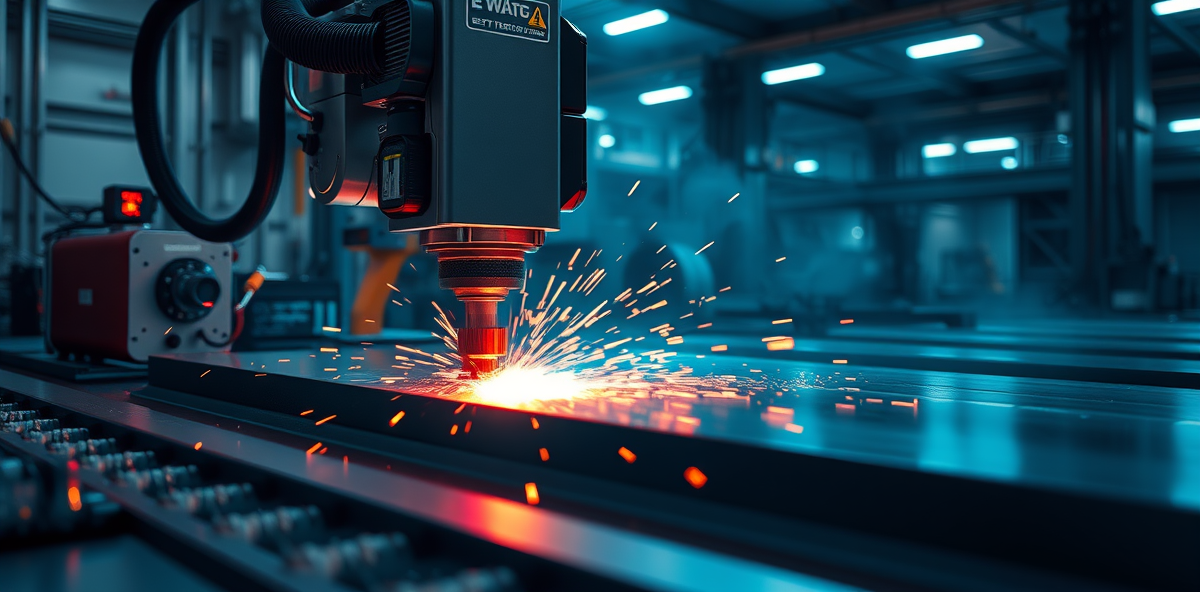
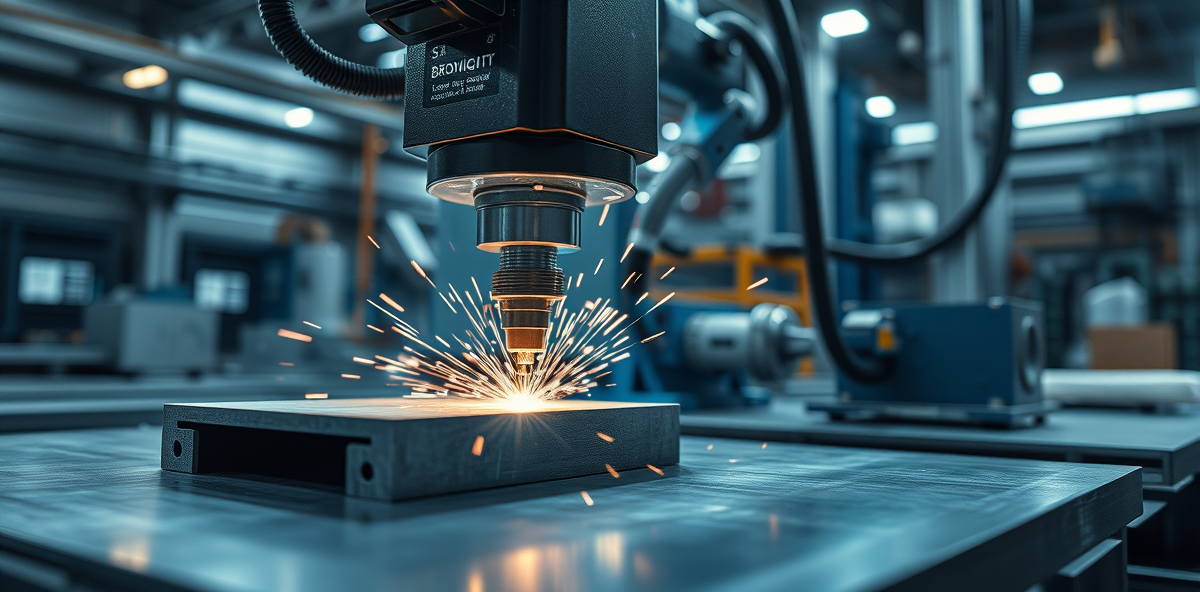
Laser welding is a fusion welding process that utilizes a highly concentrated laser beam as a heat source to melt and join materials. Unlike conventional welding techniques that rely on broad heat application, laser welding delivers energy with pinpoint accuracy, creating a narrow, deep weld. This precision minimizes the heat-affected zone (HAZ) and reduces thermal distortion in the workpiece.
The core principle involves the laser beam interacting with the material’s surface, causing it to absorb energy and rapidly melt. As the beam moves, the molten material solidifies, forming a strong metallurgical bond. The power, spot size, and travel speed of the laser can be meticulously controlled, making it exceptionally versatile for a wide array of metals and joint configurations.
Fiber laser technology, in particular, has revolutionized the field. Fiber lasers offer excellent beam quality, high efficiency, and robustness, making them ideal for demanding industrial environments. Their ability to deliver a stable and powerful beam is crucial for achieving consistent and high-quality welds, especially when working with challenging materials or complex geometries in advanced manufacturing processes.
The Challenge of Joining Dissimilar Metals
Joining dissimilar metals presents a unique set of metallurgical and mechanical challenges that traditional welding methods often struggle to overcome. These difficulties primarily stem from fundamental differences in the physical and chemical properties of the metals being joined. Understanding these challenges is key to appreciating the advantages of laser welding.
One major hurdle is the formation of brittle intermetallic compounds at the weld interface. When certain metals are mixed and solidify, they can react to form new compounds that are typically very hard and brittle, severely compromising the joint’s strength and ductility. Examples include iron-aluminum or copper-aluminum combinations, where intermetallics can lead to premature failure.
Another significant issue is the difference in thermal expansion coefficients between the two materials. As the weld joint cools, differing contraction rates can induce high residual stresses, leading to cracking or distortion. Additionally, variations in melting points, thermal conductivity, and electrical resistivity further complicate the welding process, making it difficult to achieve a stable and consistent weld pool with conventional techniques.
How Laser Welding Addresses Dissimilar Metal Challenges
Laser welding inherently possesses characteristics that make it uniquely suited for overcoming the challenges associated with joining dissimilar metals. Its precise control over energy delivery and rapid processing capabilities are critical factors in achieving strong, reliable bonds. This technology minimizes many of the issues that plague traditional methods.
The highly focused laser beam delivers energy very efficiently and locally. This concentrated heat input results in extremely fast heating and cooling rates. Rapid solidification helps to suppress the formation and growth of undesirable brittle intermetallic compounds by limiting the time available for them to form and mature at the weld interface.
Furthermore, the narrow and shallow heat-affected zone (HAZ) significantly reduces overall thermal distortion and residual stresses. By minimizing the amount of material heated, laser welding mitigates the impact of differing thermal expansion coefficients between the dissimilar metals. This leads to cleaner, more stable joints with enhanced mechanical properties and improved fatigue resistance.
The flexibility of laser welding also allows for various joint configurations and the potential use of filler materials specifically designed to bridge the metallurgical gap between the dissimilar metals. This adaptability, combined with high automation potential, makes laser welding a superior choice for complex industrial applications requiring precise control over material interactions.
Applications of Dissimilar Metal Laser Welding
The ability of laser welding to reliably join dissimilar metals has opened up a vast array of critical applications across numerous industries. Manufacturers can now combine the unique properties of different materials to optimize product performance, reduce weight, or improve functionality. This capability is driving innovation in many sectors.
- In the automotive industry, laser welding is used to join aluminum to steel, particularly in lightweighting initiatives for chassis components and battery enclosures. This helps reduce vehicle weight, improving fuel efficiency and extending the range of electric vehicles. Precision and strength are paramount in these safety-critical applications.
- The electronics sector heavily relies on laser welding for intricate connections between copper and nickel, or gold and silver, in micro-electronic devices and sensors. Its ability to create tiny, high-integrity welds without damaging sensitive components is indispensable.
- Medical device manufacturing also benefits, joining stainless steel to titanium for surgical instruments and implants where biocompatibility and corrosion resistance are essential.
- Aerospace applications leverage laser welding to join high-performance alloys like superalloys to titanium, creating complex engine components and structural parts. This allows engineers to utilize the specific strengths of each material exactly where needed, enhancing efficiency and durability.
- Even in general fabrication and energy industries, the joining of stainless steel to carbon steel for heat exchangers or piping systems demonstrates the versatility of this advanced welding technique, often using a specialized laser welding machine.
Benefits of Laser Welding Dissimilar Metals
The adoption of laser welding for dissimilar metals brings a host of significant benefits that directly impact product quality, manufacturing efficiency, and overall cost-effectiveness. These advantages make it a highly attractive option for forward-thinking industrial buyers and engineers.
- Firstly, laser welding produces joints with exceptional strength and integrity. The precise energy delivery and controlled solidification minimize defects, resulting in welds that often match or exceed the strength of the parent materials. This is crucial for critical applications where joint reliability is non-negotiable.
- Secondly, the minimal heat input and narrow heat-affected zone drastically reduce distortion and warping of the workpiece. This precision translates into fewer post-processing steps, such as grinding or straightening, saving time and labor costs. It also maintains tighter tolerances, which is vital for high-precision components.
- Another key benefit is material versatility. Laser welding allows for the successful joining of a broader range of material combinations, including those challenging for traditional methods. This expands design possibilities, enabling engineers to select materials based purely on their optimal functional properties rather than welding compatibility constraints. This can also complement processes like laser cutting machine operations when preparing parts.
- Furthermore, laser welding offers high processing speeds and the potential for full automation. This leads to increased throughput and consistent quality in high-volume production environments. The reduced material waste and lower energy consumption compared to some conventional methods also contribute to a more sustainable and cost-efficient manufacturing process. The ability to perform delicate work with a high degree of repeatability is a significant advantage in modern industrial settings.
How to Choose the Right Laser Welding Equipment
Selecting the appropriate laser welding machine for dissimilar metals is a critical decision that impacts performance, efficiency, and return on investment. Several key factors must be carefully considered to ensure the chosen system meets specific application requirements and production goals.
- Laser type is paramount. Fiber lasers are increasingly popular due to their high beam quality, energy efficiency, and low maintenance requirements, making them excellent for many industrial laser welding applications, including those for dissimilar metals. Other types, like Nd:YAG lasers, might also be suitable depending on specific material combinations and power needs.
- Laser power and beam quality are equally important. The required power depends on the material thickness, type of metals, and desired welding speed. Higher power enables deeper penetration and faster processing. High beam quality ensures a focused spot size, which is essential for precise welds and minimizing the heat-affected zone, especially when dealing with the intricate metallurgy of dissimilar joints.
- Consider the level of automation required. Manual laser welding systems are suitable for prototyping or low-volume, highly customized work. For high-volume production of components requiring precise and repeatable welds, an automated or robotic laser welding cell is often the more efficient and consistent choice. This automation can be integrated with other processes such as laser cutting machine operations for a streamlined workflow.
- Finally, evaluate the software and control systems. Advanced software offers precise control over welding parameters, allowing for optimization across different material combinations. Features like real-time monitoring, data logging, and easy program modification enhance operational flexibility and ensure consistent weld quality, which is crucial for the complexities of dissimilar metal welding.
Why Choose Lemon Laser for Your Dissimilar Metal Welding Needs
When confronting the complexities of joining dissimilar metals, partnering with a knowledgeable and experienced provider is crucial for success. Lemon Laser stands at the forefront of laser technology, offering advanced solutions specifically engineered to meet the stringent demands of modern manufacturing. Our expertise ensures you receive a laser welding system perfectly tailored to your unique challenges.
Lemon Laser provides a comprehensive range of high-quality laser welding machines, including state-of-the-art fiber laser systems renowned for their precision, efficiency, and reliability. We understand the nuances of various material combinations and can guide you in selecting the optimal power, beam characteristics, and automation level necessary for robust and consistent dissimilar metal welds. Our machines are designed for maximum performance and longevity in industrial environments.
Our commitment extends beyond just equipment sales. We offer unparalleled technical support, application expertise, and training to ensure you maximize the potential of your investment. From initial consultation and material testing to installation and ongoing maintenance, Lemon Laser is your dedicated partner. We help integrate laser welding seamlessly into your production line, improving throughput and product quality, even for the most challenging dissimilar metal applications.
Choosing Lemon Laser means investing in proven technology and a partnership that drives innovation. Whether your application involves intricate micro-welds for electronics or robust structural joints for automotive components, our solutions are designed to deliver superior results, helping you unlock new possibilities in material design and manufacturing efficiency. We also provide excellent solutions for laser cutting machines, offering a complete suite of laser processing equipment.
Maintenance and Operational Tips for Laser Welding Systems
To ensure optimal performance, longevity, and consistent weld quality when using a laser welding machine for dissimilar metals, proactive maintenance and adherence to best operational practices are essential. Neglecting these aspects can lead to costly downtime, inconsistent results, and reduced equipment lifespan.
- Regular cleaning of optics, including focusing lenses and protective windows, is paramount. Dust, debris, and spatter can degrade beam quality, reduce power, and cause premature failure of optical components. Follow manufacturer guidelines for cleaning frequency and approved cleaning materials to prevent damage. This is as important for welding as it is for a laser cutting machine.
- Monitoring and maintaining the chiller system is equally critical. The chiller keeps the laser source and optics at their optimal operating temperature. Ensure coolant levels are correct, filters are clean, and the system is free from leaks. Proper cooling prevents overheating, which can compromise laser stability and output power, especially during continuous operation.
- Periodically inspect and calibrate beam delivery components, such as mirrors and fiber optic cables, to ensure precise beam alignment and integrity. Any misalignment can lead to energy loss, inconsistent weld penetration, and a compromised heat-affected zone, which is particularly detrimental when welding dissimilar metals that are sensitive to thermal variations.
- Operators should be thoroughly trained on safety protocols and specific welding parameters for various material combinations. Documenting and standardizing welding procedures for each dissimilar metal joint helps ensure repeatability and quality control. Consistent power settings, travel speeds, and gas shielding are crucial for mitigating intermetallic formation and achieving strong, defect-free welds. Adhering to these tips ensures reliable and efficient operation.
The Future of Laser Technology in Manufacturing
The trajectory of laser technology in manufacturing points towards even greater precision, versatility, and integration. As industries push the boundaries of material science and product complexity, laser systems will continue to evolve, offering solutions for increasingly demanding applications. The future promises enhanced capabilities in dissimilar metal joining and beyond.
One significant trend is the development of smarter, more adaptive laser systems. These systems will incorporate advanced sensors, artificial intelligence, and machine learning algorithms to monitor weld pools in real-time, automatically adjusting parameters to compensate for variations in material properties or joint geometries. This will lead to even more reliable welds, particularly for challenging dissimilar metal combinations.
Increased automation and robotic integration will also define the future. Laser welding cells will become more sophisticated, seamlessly integrating with material handling, inspection, and other manufacturing processes. This holistic approach will drive efficiencies, reduce human error, and enable lights-out manufacturing for complex assemblies, further enhancing the capabilities of systems used for laser cutting machine processes as well.
Furthermore, advancements in laser sources, such as higher power fiber lasers and new wavelength developments, will expand the range of materials that can be effectively welded, including ultra-high-strength steels, advanced ceramics, and complex composites. The ability to precisely control energy delivery will be crucial for these next-generation materials and for optimizing dissimilar metal joints with even greater metallurgical challenges.
Laser technology will continue to be a cornerstone of innovation, enabling manufacturers to create lighter, stronger, and more functional products. Its role in precision manufacturing, especially for joining challenging material combinations, will only grow in importance, solidifying its position as an indispensable tool for the factories of tomorrow.
Conclusion
The question of “Can laser welding join dissimilar metals?” has been definitively answered with a resounding yes. Laser welding has emerged as a cornerstone technology, empowering manufacturers to overcome the long-standing metallurgical and mechanical challenges associated with bonding different materials. Its precision, controlled heat input, and rapid processing offer a superior alternative to traditional methods, delivering strong, high-integrity joints with minimal distortion.
From enabling lightweight designs in the automotive industry to creating intricate components in aerospace and medical devices, the applications of dissimilar metal laser welding are diverse and expanding. The benefits — including enhanced joint strength, reduced distortion, increased material versatility, and higher production efficiency — make it an indispensable tool for modern industrial buyers and engineers.
Choosing the right laser welding machine involves careful consideration of laser type, power, beam quality, and automation needs, ensuring a solution tailored to specific manufacturing requirements. With ongoing advancements and expert partners like Lemon Laser, the capabilities of laser technology will only continue to grow, driving innovation across countless sectors. Embracing laser welding is not just an upgrade; it is an investment in the future of advanced manufacturing, allowing for previously impossible designs and superior product performance.