Currently Empty: ₹0.00
What is the Welding Speed of a laser welding machine? A Comprehensive Guide
In the dynamic world of modern manufacturing, welding stands as a foundational process, intricately linking components to create finished products. The efficiency and quality of this process directly impact production timelines, costs, and product integrity. Among the various welding technologies, laser welding has emerged as a high-precision, high-speed solution, fundamentally transforming fabrication across numerous industries.
Understanding the welding speed of a laser welding machine is paramount for engineers, factory owners, and manufacturing companies seeking to optimize their production lines. This article delves into the intricacies of laser welding speed, exploring the factors that govern it, its profound impact on production efficiency and weld quality, key applications, and crucial considerations for selecting the right equipment. Our aim is to provide a comprehensive guide that empowers industrial buyers to make informed decisions.
Understanding Laser Welding Technology and Its Speed
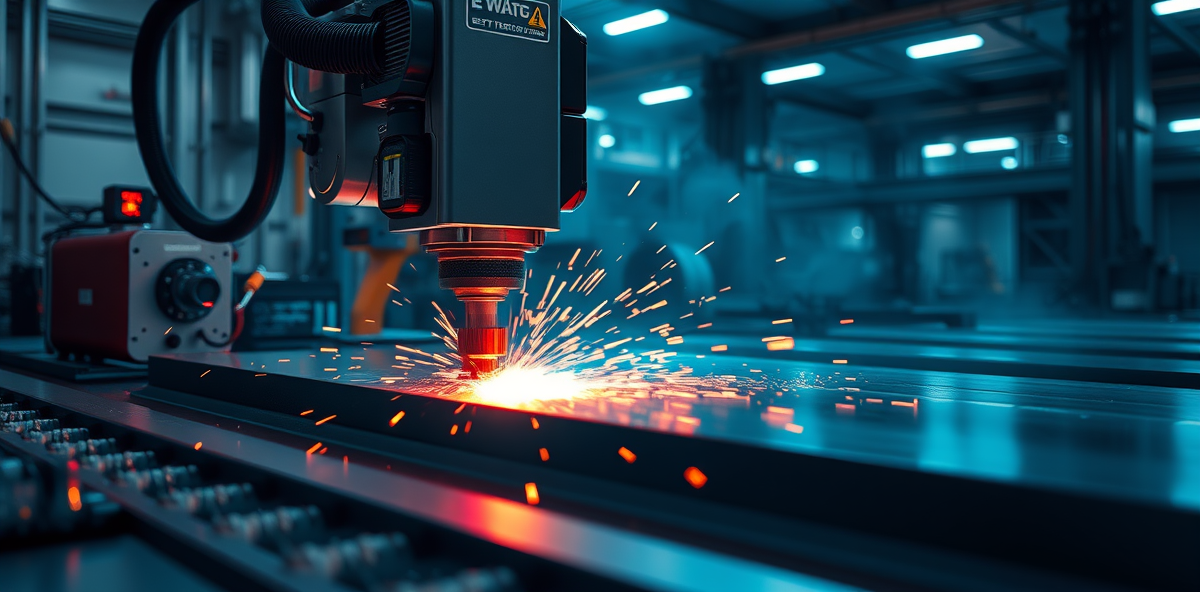
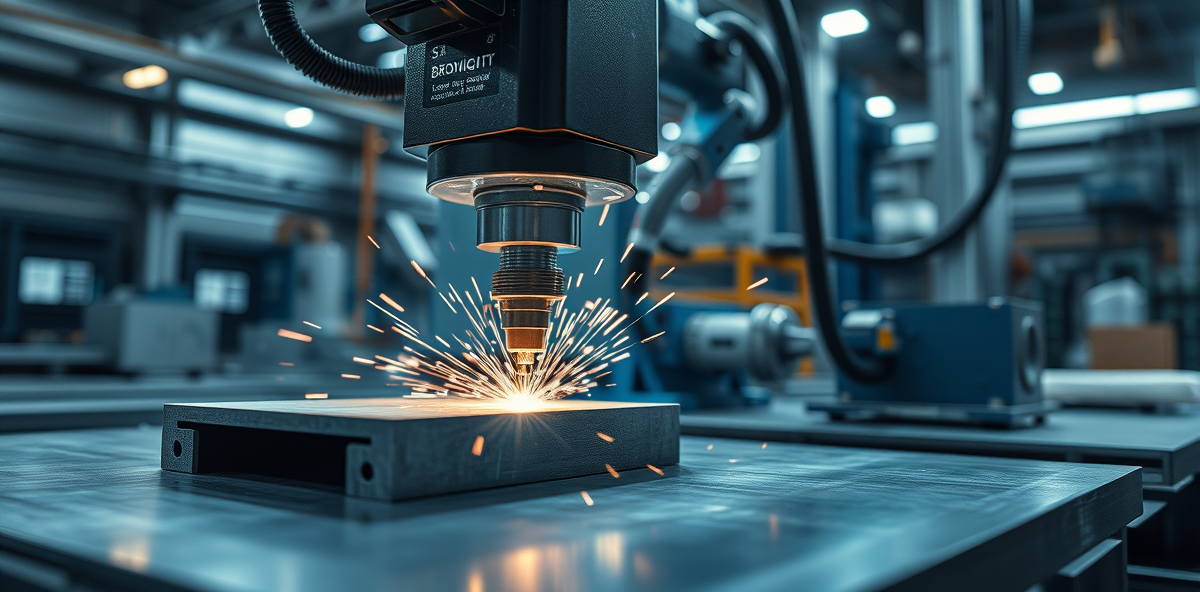
A laser welding machine utilizes a highly concentrated beam of light as a heat source to join materials. This focused energy melts the material at the joint, which then rapidly solidifies to form a strong, narrow weld seam. Unlike traditional welding methods, laser welding offers exceptional precision, minimal heat input, and the ability to process a wide range of materials with superior quality.
Welding speed, in the context of laser welding, refers to the rate at which the laser beam traverses the weld seam, typically measured in millimeters per second (mm/s) or meters per minute (m/min). This speed is a critical performance metric, directly influencing the throughput of a manufacturing operation. High welding speeds are a hallmark of laser technology, allowing for significantly reduced cycle times compared to conventional techniques.
The ability of laser welding to achieve high speeds stems from its concentrated energy delivery. This localized heating minimizes the heat-affected zone (HAZ) and distortion, enabling rapid processing without compromising the metallurgical integrity or mechanical properties of the workpiece. This makes it an ideal solution for applications demanding both speed and precision.
Key Factors Influencing Laser Welding Speed
The operational welding speed of a laser welding machine is not a fixed value but rather a complex interplay of several interdependent factors. Optimizing these parameters is crucial for achieving the desired balance between speed, quality, and cost-effectiveness.
Laser Power Output
One of the most significant factors influencing welding speed is the laser’s power output. Higher laser power allows for deeper penetration and faster travel speeds, especially when working with thicker materials or those with high thermal conductivity. For instance, a high-power fiber laser can achieve significantly greater speeds than a lower-power unit for the same material thickness, directly impacting production capacity.
Material Type and Thickness
The type of material being welded, along with its thickness, plays a critical role. Different metals possess varying thermal properties, such as thermal conductivity and reflectivity. For example, highly reflective materials like copper or aluminum require more laser power and often specific wavelengths to achieve effective coupling, which can influence achievable speeds. Thicker materials inherently demand more energy, often necessitating slower speeds or higher power levels to ensure full penetration and a robust weld.
Beam Quality and Focus Spot Size
The quality of the laser beam (often characterized by its M² value) and its ability to be focused into a small, intense spot are paramount. A higher quality beam can be focused more tightly, resulting in a higher power density at the workpiece. This concentrated energy facilitates faster melting and solidification, enabling higher welding speeds and finer weld seams. Poor beam quality or an unfocused spot will diffuse the energy, requiring slower speeds to achieve the same weld depth.
Joint Configuration and Fit-up
The design of the weld joint (e.g., butt, lap, fillet) and the precision of the part fit-up significantly affect achievable speeds. Well-prepared, tightly fitted joints allow for faster, more consistent welding, as the laser can efficiently bridge the gap. Larger gaps or poor fit-up may require slower speeds, more material deposition, or even specialized beam manipulation to ensure a complete and strong weld, leading to potential productivity losses.
Assist Gas and Shielding
The type and flow rate of the assist gas (e.g., argon, helium, nitrogen) protect the molten weld pool from atmospheric contamination and can also help control plasma formation. While primarily for weld quality, the correct gas application can indirectly facilitate faster speeds by ensuring a stable process. Improper gas shielding can lead to defects, requiring slower speeds or rework.
Wavelength of the Laser
Different laser types, such as fiber lasers and CO2 lasers, operate at different wavelengths. The material’s absorption characteristics vary with wavelength. Fiber lasers, with their shorter wavelength, are generally more efficiently absorbed by many common industrial metals compared to CO2 lasers, often contributing to their superior speed capabilities in laser welding machine applications and even in Laser Cutting Machine systems handling similar materials.
The Impact of Welding Speed on Production Efficiency and Weld Quality
Optimizing welding speed is a critical determinant of manufacturing success. Its influence extends directly to both the throughput of operations and the integrity of the final product.
Boosting Production Throughput
One of the most immediate and tangible benefits of high laser welding speed is the dramatic increase in production throughput. Faster welding means more parts can be processed in a shorter amount of time, directly translating into higher production volumes and reduced manufacturing cycle times. This capability is invaluable in industries with high-volume production demands, enabling manufacturers to meet aggressive deadlines and scale operations efficiently. For example, in automotive manufacturing, where millions of welds are performed annually, even a small increase in speed per weld can result in substantial overall savings and faster vehicle assembly.
Maintaining and Enhancing Weld Quality
Counter-intuitively, faster welding speeds can often lead to improved weld quality. The minimal heat input associated with rapid laser welding significantly reduces the size of the heat-affected zone (HAZ) and minimizes thermal distortion in the workpiece. This translates to:
- Reduced Distortion: Less heat introduced into the material means less warping and residual stress, resulting in parts that are closer to their original dimensions.
- Finer Microstructure: Rapid cooling of the molten pool can lead to a finer grain structure, often enhancing the mechanical properties and strength of the weld seam.
- Fewer Defects: Optimized high-speed parameters can help prevent common weld defects such as porosity, hot cracks, and undercuts by controlling the molten pool dynamics and solidification process more effectively.
- Improved Aesthetics: Narrow, clean weld seams produced at high speeds often require minimal post-processing, contributing to a better aesthetic finish.
Real-World Applications Benefiting from High-Speed Laser Welding
The ability of a laser welding machine to perform high-speed, high-quality welds has made it indispensable across a diverse range of industries. Its precision and efficiency offer significant advantages where traditional methods fall short.
- Automotive Industry: High-speed laser welding is fundamental in automotive manufacturing for joining body-in-white components, fabricating exhaust systems, and critically, for assembling battery packs in electric vehicles. The demand for lightweight materials and robust, fast production makes laser welding a cornerstone technology.
- Medical Device Manufacturing: Precision and cleanliness are paramount in medical applications. High-speed laser welding is used for joining intricate surgical instruments, implants, and other sensitive components where minimal heat input and high biocompatibility are essential.
- Electronics and Micro-components: For joining tiny wires, sensors, and electronic housings, the fine focus and rapid speed of a laser welding machine are unmatched. This allows for high-density packaging and reliable connections in miniature devices.
- Aerospace Industry: The need for lightweight yet incredibly strong components in aircraft and spacecraft drives the adoption of laser welding for materials like titanium and aluminum alloys. High speeds contribute to efficient fabrication of complex structures with reduced distortion.
- General Sheet Metal Fabrication: From appliance manufacturing to structural components, high-speed laser welding streamlines the joining of various sheet metal gauges. This often complements processes like Laser Cutting Machine operations, creating a seamless workflow from raw material to finished assembly. Applications benefiting from this synergy include high-volume production of enclosures, cabinets, and industrial machinery where both Laser Cutting Machine and laser welding machine capabilities are critical.
Advantages of Optimizing Laser Welding Speed in Your Operations
Embracing optimized laser welding speeds offers a multitude of competitive advantages for manufacturing businesses. These benefits extend beyond mere production numbers, impacting overall operational efficiency and market position.
- Significant Cost Reduction: Higher speeds mean less time per part, which directly translates to lower labor costs per unit. Additionally, reduced material waste due to minimized distortion and rework further contributes to cost savings. The energy efficiency of modern fiber laser welding systems also contributes to lower operating expenses.
- Increased Production Capacity: The ability to produce more parts in the same timeframe, or even less, significantly boosts overall production capacity. This allows companies to meet higher market demands, take on more orders, and improve their responsiveness to customer needs.
- Superior Weld Quality and Strength: As discussed, optimized speeds often result in higher quality welds with minimal HAZ, less distortion, and improved mechanical properties. This enhances product reliability and longevity, leading to fewer warranty claims and higher customer satisfaction.
- Greater Design Flexibility: The precision and minimal heat input of high-speed laser welding allow engineers to design more intricate and lightweight components. This opens up new possibilities for product innovation and material combinations that might be challenging with traditional welding methods.
- Faster Time-to-Market: Reduced production cycle times directly contribute to faster product launches. In competitive markets, being able to bring new products to market quicker provides a substantial strategic advantage.
- Enhanced Automation Integration: High-speed laser welding is inherently suitable for automation. The consistent and repeatable nature of the process, combined with rapid execution, makes it ideal for integration with robotics and automated material handling systems, further increasing efficiency and safety. This complements modern industrial setups that also employ advanced Laser Cutting Machine and other automated fabrication equipment.
Selecting the Right Laser Welding Equipment for Optimal Speed
Choosing the appropriate laser welding machine is a critical investment decision that directly impacts your ability to achieve and sustain optimal welding speeds. Careful consideration of several factors is essential.
Assessing Your Specific Welding Requirements
Before evaluating equipment, clearly define your operational needs. This includes:
- Material Portfolio: What types of metals and alloys will you be welding? What are their thicknesses?
- Desired Weld Characteristics: What level of penetration, bead width, and cosmetic finish is required?
- Production Volume and Speed Targets: What are your daily, weekly, or monthly production goals? How fast do you need to weld each part?
- Integration Needs: Will the laser welding machine be integrated into an existing automated line, or will it be a standalone unit?
Key Equipment Specifications to Consider
Once requirements are clear, focus on these critical machine specifications:
- Laser Source Power: Choose a power level that matches your material thickness and desired speed. Higher power fiber laser cutting systems often indicate a manufacturer’s expertise in high-power optics, which translates well to high-power welding systems.
- Beam Quality (M² value): For precision and speed, a low M² value (closer to 1) is desirable, indicating a highly focusable beam.
- Wavelength: Ensure the laser’s wavelength is efficiently absorbed by your target materials. Fiber lasers are versatile for many metals.
- Workpiece Handling & Automation: Consider systems with integrated robotics, rotary tables, or custom fixtures to facilitate rapid part loading, precise positioning, and continuous operation, crucial for achieving and maintaining high speeds.
- Control System and Software: Look for intuitive, robust control systems that allow for easy parameter adjustment, process monitoring, and integration with factory-wide control networks. Advanced software can optimize welding paths and speeds for complex geometries.
Why Choose a Lemon Laser Welding Solution?
When selecting a laser welding machine, partnering with a reputable manufacturer is crucial. Lemon Laser is committed to delivering state-of-the-art laser technology designed for high performance and reliability. Our machines are engineered to provide optimal welding speeds, exceptional weld quality, and maximum uptime, ensuring your investment drives significant returns. We focus on advanced fiber laser technology, recognized for its efficiency and speed in both welding and Laser Cutting Machine applications. Our expertise helps you navigate complex material processing, from general metal laser cutting to specialized high-speed welding. With comprehensive support and cutting-edge features, Lemon Laser enables manufacturers to push the boundaries of productivity and precision.
Maintenance and Operational Best Practices for Sustained High-Speed Welding
Achieving high welding speeds is only part of the equation; sustaining them over time requires diligent maintenance and optimized operational practices. Neglecting these aspects can lead to reduced performance, costly downtime, and compromised weld quality.
Regular Maintenance for Peak Performance
Proactive maintenance is vital for any laser welding machine:
- Optics Cleaning and Inspection: Regularly clean and inspect all optical components, including lenses, protective windows, and mirrors. Contamination can absorb laser energy, reduce beam quality, and cause premature failure, directly impacting welding speed and quality.
- Cooling System Checks: Ensure the chiller and cooling system are functioning optimally. Proper temperature regulation is critical for laser stability and lifespan, which in turn supports consistent high-speed operation.
- Gas Supply Monitoring: Verify that assist gas lines are free of leaks and that gas purity and flow rates are maintained according to specifications. Impurities can lead to poor weld quality and necessitate slower speeds.
- Calibration and Alignment: Periodically check and recalibrate beam alignment and focusing to ensure the laser energy is precisely delivered to the workpiece.
Operational Strategies for Maximizing Speed
Beyond maintenance, certain operational strategies can further enhance welding speeds:
- Parameter Optimization: Continuously fine-tune welding parameters (power, speed, pulse duration/frequency, focus position) through systematic testing for each material and joint configuration. This iterative process is key to finding the sweet spot for speed and quality.
- Fixture Design and Accuracy: Invest in high-precision fixturing that ensures consistent part presentation and minimizes setup times. Accurate and repeatable part positioning is crucial for fast, automated welding.
- Operator Training and Skill Development: Well-trained operators can identify potential issues quickly, optimize parameters efficiently, and perform routine maintenance, all contributing to sustained high-speed operation.
- Material Preparation: Ensure workpieces are clean, free of oils, oxides, and scale. Proper material preparation prevents inconsistencies that could force a reduction in welding speed to compensate for contaminants. This is also a critical factor in Laser Cutting Machine operations, where material cleanliness affects cut quality and speed.
The Future Landscape of Laser Welding Technology in Manufacturing
The trajectory of laser welding technology points towards continuous innovation, driven by the ever-increasing demands for speed, precision, and automation in manufacturing. The future promises even more advanced capabilities, further solidifying the laser welding machine‘s role as a cornerstone technology.
- Higher Power and More Compact Lasers: Expect to see even more powerful and energy-efficient fiber lasers, enabling faster speeds and deeper penetrations across a broader range of materials. These advancements will likely continue to make high-power metal laser cutting and welding more accessible.
- Advanced Beam Shaping and Oscillation: Next-generation laser systems will feature enhanced beam manipulation capabilities, allowing for dynamic adjustment of the laser spot profile during welding. This can optimize energy distribution, improve defect control, and enable welding of challenging material combinations at higher speeds.
- Increased Automation and AI Integration: The integration of robotics, advanced sensors, machine vision, and artificial intelligence will become standard. AI-driven systems will be able to monitor weld pools in real-time, predict defects, and adapt welding parameters on the fly, ensuring consistent high-speed and high-quality results without human intervention. This mirrors trends seen in advanced Laser Cutting Machine setups.
- Hybrid Welding Processes: The combination of laser welding with other techniques, such as arc welding (laser-arc hybrid welding), will continue to evolve. These hybrid processes leverage the strengths of each method to achieve superior weld quality and significantly increased speeds for specific applications.
- Focus on Sustainability: Future developments will also prioritize energy efficiency and environmentally friendly processes, aligning with global manufacturing trends towards sustainable practices. The inherent efficiency of fiber laser cutting and welding systems already contributes significantly to this goal.
Conclusion
The welding speed of a laser welding machine is a pivotal performance indicator, directly influencing a manufacturer’s productivity, cost-effectiveness, and product quality. As an expert in industrial machinery, it is clear that understanding the myriad factors that govern this speed—from laser power and beam quality to material properties and joint configurations—is essential for optimizing any welding operation.
By carefully selecting the right equipment, implementing robust maintenance schedules, and continuously refining operational parameters, manufacturers can harness the full potential of high-speed laser welding. This technology offers unparalleled benefits, including accelerated production throughput, superior weld integrity, and significant reductions in operational costs. As laser technology continues to advance, its role in shaping the future of manufacturing, often alongside sophisticated Laser Cutting Machine systems, will only grow, promising even greater efficiencies and capabilities for industrial buyers worldwide.