Currently Empty: ₹0.00
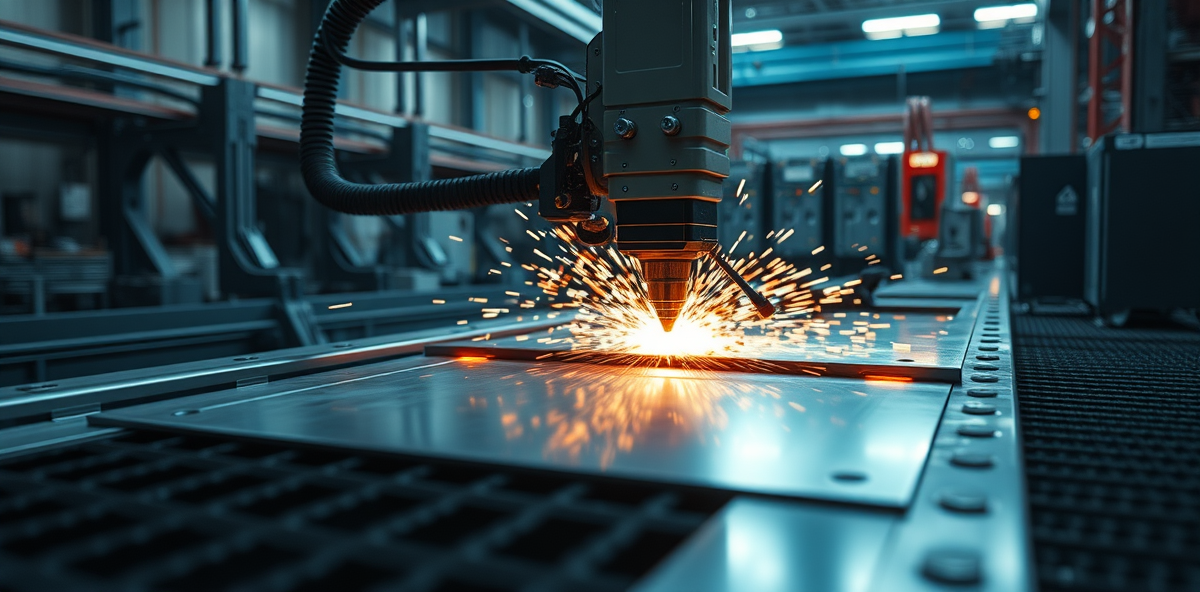
Embracing smart factory solutions with Laser Cutting Machines in Bangalore
In the dynamic landscape of modern manufacturing, industries in Bangalore are constantly seeking innovative solutions to enhance efficiency, precision, and productivity. The advent of smart factory concepts and Industry 4.0 principles has made advanced machinery not just an advantage, but a necessity. At the forefront of this technological revolution is the Laser Cutting Machine, a pivotal tool transforming how materials are processed across various sectors. Its unparalleled accuracy and speed offer a significant competitive edge, enabling manufacturers to meet stringent quality demands and accelerate production cycles. This blog explores how laser cutting technology is empowering Bangalore’s industries to build smarter, more agile, and ultimately, more profitable operations.
The demand for high-quality, custom-fabricated components is growing rapidly. Manufacturers are looking for reliable and efficient ways to process a wide range of materials with minimal waste and maximum precision. A Laser Cutting Machine addresses these challenges directly, providing a versatile solution that integrates seamlessly into Automated production lines. It represents a cornerstone of modern manufacturing excellence, driving innovation and efficiency across the industrial spectrum.
Understanding Fiber Laser Technology for Superior Cutting
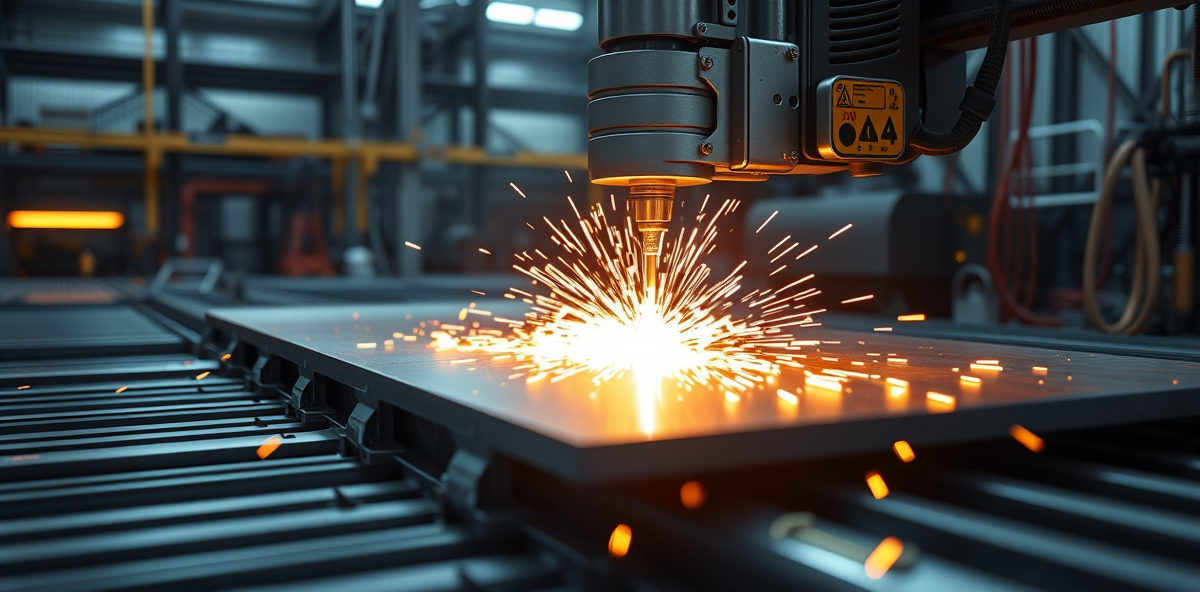
Fiber laser technology stands as a testament to engineering ingenuity, representing a significant leap forward from traditional laser cutting methods. Unlike CO2 lasers that use gas mixtures and mirrors to deliver the beam, fiber lasers generate the laser beam within an optical fiber doped with rare-earth elements like ytterbium. This light is then amplified and delivered to the cutting head via a flexible optical fiber, making the system highly efficient and remarkably compact.
The inherent advantages of fiber laser technology are numerous, particularly for “metal laser cutting“. It offers superior beam quality, resulting in a smaller focal spot and a higher power density. This translates into faster cutting speeds and cleaner, smoother edges, often eliminating the need for secondary finishing processes. The solid-state design of fiber lasers also contributes to their robustness, longer lifespan, and significantly reduced maintenance requirements compared to their gas-based counterparts.
Furthermore, “fiber laser cutting” machines are known for their exceptional energy efficiency. They convert a higher percentage of input electricity into laser power, leading to lower operational costs and a reduced environmental footprint. This combination of speed, precision, versatility, and efficiency makes fiber laser technology the preferred choice for modern industrial applications, especially when dealing with various types and thicknesses of metals.
Diverse Applications Across Modern Industries
The versatility of a Laser Cutting Machine makes it indispensable across a multitude of industries, supporting a vast array of manufacturing processes. Its ability to precisely cut intricate shapes from various materials has made it a cornerstone of modern fabrication.
- Automotive Industry: From chassis components and body panels to intricate parts for engines and interiors, Laser Cutting Machines are crucial for manufacturing lightweight and durable parts with high accuracy. This includes specialized cuts for electric vehicle battery enclosures and structural elements.
- Aerospace Sector: Precision is paramount in aerospace. “Fiber laser cutting” is used to create complex components from lightweight alloys like titanium and aluminum, essential for aircraft frames, engine parts, and interior fittings, where tolerances are extremely tight.
- Medical Device Manufacturing: The accuracy of Laser Cutting Machines is critical for producing small, intricate medical instruments, implants, and surgical components, often from exotic materials that require sterile and precise processing.
- Electronics Industry: For creating precise enclosures, heat sinks, and component mounts for electronic devices, “metal laser cutting” provides the necessary accuracy for small-scale, high-volume production. This ensures perfect fit and function for sensitive electronic assemblies.
- General Fabrication and Sheet Metal Processing: Job shops and fabrication units rely heavily on laser cutting for producing custom parts, architectural elements, signage, and industrial enclosures. The speed and flexibility allow for quick turnarounds on diverse projects.
- Agricultural Machinery: Durable and robust components for tractors, harvesters, and other farm equipment are efficiently manufactured using a Laser Cutting Machine, ensuring strength and longevity in challenging environments.
- Energy Sector: From components for solar panel frames to parts for power generation equipment, laser cutting enables the production of robust and precise structures for sustainable energy solutions.
- Jewelry and Decorative Arts: For intricate designs and fine details, particularly in precious metals, “fiber laser cutting” offers unmatched precision, allowing for the creation of delicate and complex patterns that would be difficult to achieve with traditional methods.
Each application leverages the strengths of “fiber laser cutting” – its precision, speed, and ability to handle diverse material types and thicknesses – to produce high-quality components efficiently and economically.
Key Benefits of Integrating a Laser Cutting Machine
Adopting a Laser Cutting Machine brings a multitude of operational and financial benefits, making it an attractive investment for forward-thinking manufacturers in Bangalore. These advantages directly contribute to enhanced productivity, reduced costs, and superior product quality.
- Unmatched Precision and Accuracy: Laser cutting offers extremely tight tolerances and a very small kerf width, enabling the creation of intricate designs and highly accurate components. This precision is critical for industries where exact specifications are non-negotiable, reducing errors and material waste.
- High Speed and Efficiency: “Fiber laser cutting” systems operate at significantly higher speeds compared to traditional cutting methods, leading to increased throughput and shorter lead times. Their efficient material utilization also minimizes waste, contributing to cost savings.
- Versatility Across Materials: A single Laser Cutting Machine can process a wide range of materials, including various metals like stainless steel, carbon steel, aluminum, copper, and brass. This adaptability allows manufacturers to diversify their product offerings without investing in multiple specialized machines.
- Reduced Operational Costs: “Fiber laser cutting” machines boast lower power consumption than many traditional methods, coupled with fewer consumable parts and minimal maintenance requirements. This results in significant long-term savings on energy, labor, and spare parts.
- Superior Edge Quality: The non-contact nature of laser cutting produces smooth, burr-free edges that often require little to no secondary finishing. This not only saves time and labor but also enhances the aesthetic and functional quality of the finished product.
- Enhanced Automation and Integration: Modern Laser Cutting Machines are designed for seamless integration into automated production lines and smart factory ecosystems. Features like automatic loading/unloading systems, remote monitoring, and compatibility with CAD/CAM software streamline operations and reduce manual intervention.
- Improved Safety: As a non-contact process performed within an enclosed system, laser cutting significantly reduces the risk of operator injury compared to methods involving direct physical interaction with cutting tools.
- Design Flexibility: The ability to cut complex geometries and fine details with ease opens up new possibilities for product design and innovation. Manufacturers can produce intricate parts that were previously difficult or impossible to create.
These benefits collectively position the Laser Cutting Machine as a cornerstone of efficient and advanced manufacturing, directly contributing to a stronger competitive standing for businesses in Bangalore.
Choosing the Right Laser equipment for Your Factory
Selecting the ideal Laser Cutting Machine is a critical decision that impacts your operational efficiency and long-term profitability. Several factors must be carefully considered to ensure the equipment perfectly matches your manufacturing needs. Investing wisely now will pay dividends in future productivity and product quality.
Material Types and Thickness
The primary consideration is the type and thickness of the materials you intend to cut. Different laser powers and types are optimized for specific materials. For example, “fiber laser cutting” is exceptional for metals like stainless steel, carbon steel, aluminum, and copper, excelling at both thin and moderately thick gauges. Higher power lasers are necessary for thicker materials or for achieving faster cutting speeds.
Laser Power Output (kW)
Laser power directly correlates with cutting speed and maximum material thickness. Entry-level machines might start at 1kW to 3kW, suitable for thinner sheets. Mid-range systems (4kW-8kW) offer a balance of speed and versatility, while high-power machines (10kW and above) are ideal for very thick plates and high-volume production. Evaluate your current and future production demands when determining the required power.
Work Area/Bed Size
The dimensions of the machine’s work bed should accommodate the largest sheet metal size or component you plan to process. Common sizes range from small format (e.g., 3000mm x 1500mm) to large format (e.g., 6000mm x 2000mm or larger). Consider material handling and potential part nesting efficiency when choosing a size.
Software and Control System
An intuitive and robust control system is vital for ease of operation and seamless integration with your existing CAD/CAM software. Look for features like advanced nesting capabilities, real-time monitoring, and diagnostic tools. User-friendly interfaces reduce training time and improve overall productivity.
Automation Features
For high-volume production or lights-out manufacturing, automation features are invaluable. Options include automatic pallet changers for continuous operation, automatic nozzle changers, and material loading/unloading systems. These features significantly reduce labor costs and increase machine uptime.
Brand Reputation and After-Sales Support
Choosing a reputable manufacturer like Lemon Laser ensures access to reliable equipment, comprehensive warranties, and excellent after-sales service. Proximity of service centers, availability of spare parts, and responsive technical support are crucial for minimizing downtime and maximizing the return on your investment. A strong support network is as important as the machine itself.
Budget and Return on Investment (ROI)
While the initial investment in a Laser Cutting Machine can be significant, evaluate it against the long-term benefits such as increased production speed, reduced material waste, lower labor costs, and improved product quality. A thorough ROI analysis will help justify the expenditure and project profitability.
Why Lemon Laser is the Preferred Partner in Bangalore
When it comes to advanced “metal laser cutting” and smart factory solutions in Bangalore, Lemon Laser stands out as a trusted and innovative partner. Our commitment to cutting-edge technology, unparalleled customer service, and robust engineering makes us the ideal choice for manufacturers seeking to elevate their production capabilities.
Lemon Laser offers a comprehensive range of high-performance Laser Cutting Machines, each meticulously designed and engineered for precision, speed, and reliability. We understand the unique challenges and demands of the Indian manufacturing sector, particularly in a rapidly industrializing hub like Bangalore. Our machines are built to withstand rigorous industrial environments while consistently delivering superior cutting quality.
Beyond the machinery, Lemon Laser provides exceptional technical support, operator training, and readily available spare parts, ensuring maximum uptime and operational efficiency for your investment. We believe in building long-term partnerships with our clients, offering solutions that not only meet current needs but also anticipate future demands. Our expertise in “fiber laser cutting” technology means you are investing in a future-proof solution backed by industry leaders. We are dedicated to empowering your factory with the smart solutions needed to thrive in a competitive market, including sophisticated Laser Welding Machine options.
Maintenance and Operational Tips for Optimal Performance
To ensure your Laser Cutting Machine operates at peak efficiency and maintains its precision over its lifespan, consistent maintenance and adherence to best operational practices are essential. Proactive care not only extends the machine’s life but also prevents costly downtime and ensures consistent output quality.
- Regular Cleaning of Optics: The laser’s focusing lens and protective window are crucial for beam quality. Clean them regularly with appropriate solutions and lint-free wipes to prevent contamination that can degrade beam performance and lead to costly damage.
- Check and Maintain the Cooling System: The chiller unit maintains the laser source’s temperature. Regularly check coolant levels, water quality, and filter conditions. An efficient cooling system prevents overheating and ensures stable laser output.
- Verify Gas Purity and Pressure: For “metal laser cutting,” assist gases (oxygen, nitrogen, or air) must be of high purity and delivered at the correct pressure. Impurities or incorrect pressure can affect cut quality and damage components. Regularly check gas supplies and filters.
- Lubrication of Moving Parts: Ensure all linear guides, ball screws, and other moving components are properly lubricated according to the manufacturer’s schedule. This reduces friction and wear, maintaining smooth and accurate motion.
- Software Updates and Backups: Keep the machine’s control software updated to benefit from performance enhancements and bug fixes. Regularly back up your machine settings and job files to prevent data loss.
- Operator Training and Safety Protocols: Ensure all operators are thoroughly trained on the machine’s operation, safety procedures, and basic troubleshooting. Adherence to safety guidelines is paramount, including proper use of PPE and understanding laser hazards.
- Preventive Maintenance Schedule: Follow the manufacturer’s recommended preventive maintenance schedule diligently. This often includes periodic inspections, component checks, and replacements to preempt potential issues before they cause breakdowns.
By implementing these tips, manufacturers can significantly enhance the reliability, longevity, and performance of their Laser Cutting Machine, ensuring a consistent return on investment.
The Future of Laser Technology in Manufacturing
The trajectory of laser technology in manufacturing points towards even greater integration, intelligence, and versatility. As industries globally move towards Industry 4.0 and smart factory paradigms, the Laser Cutting Machine will continue to evolve, offering more sophisticated capabilities and contributing to hyper-efficient production environments.
Advanced Automation and AI Integration
Future laser cutting systems will feature deeper integration with Artificial Intelligence (AI) and machine learning. This will enable predictive maintenance, autonomous material handling, optimized cutting paths in real-time based on material characteristics, and even self-correction capabilities. Fully automated cells, capable of operating with minimal human intervention, will become standard, greatly enhancing productivity and reducing labor costs.
Enhanced Connectivity and IoT
The Internet of Things (IoT) will play an even more critical role, allowing Laser Cutting Machines to communicate seamlessly with other machines, enterprise resource planning (ERP) systems, and cloud-based platforms. This connectivity will facilitate real-time monitoring, data analytics for process optimization, and remote diagnostics, creating truly interconnected smart factories. This also extends to Laser Welding Machines, which will benefit from similar advancements.
Processing of Advanced Materials
Research and development in laser technology will continue to expand its capabilities to process an even wider array of advanced materials, including composites, ceramics, and new generations of alloys that are increasingly difficult to cut with traditional methods. This will open new frontiers for industries like aerospace, medical, and energy.
Sustainability and Energy Efficiency
With increasing global emphasis on sustainability, future laser cutting systems will become even more energy-efficient, minimizing their carbon footprint. Innovations in laser source design and power management will lead to substantial reductions in energy consumption, aligning with green manufacturing initiatives. “Fiber laser cutting” is already a leader in this aspect, and this trend will continue.
Integration with Additive Manufacturing
While primarily a subtractive technology, laser cutting will see closer integration with additive manufacturing (3D printing) processes. This could involve hybrid machines that perform both additive and subtractive operations, or intelligent systems that optimize material preparation for subsequent additive steps. The synergy between these technologies will unlock new design possibilities and manufacturing efficiencies.
The future of “metal laser cutting” is bright, promising a landscape of intelligent, automated, and highly adaptable manufacturing solutions that will drive unprecedented levels of efficiency and innovation across industries in Bangalore and beyond.
Conclusion: Powering Bangalore’s Manufacturing Future with Laser Cutting
The journey towards smart manufacturing in Bangalore is fundamentally being shaped by advanced technologies, with the Laser Cutting Machine standing out as a pivotal enabler. Its remarkable precision, speed, and versatility are not merely incremental improvements but foundational shifts that allow industries to achieve unparalleled levels of quality and efficiency. From intricate components for aerospace to high-volume fabrication for the automotive sector, “fiber laser cutting” is redefining what’s possible in material processing.
Embracing a modern Laser Cutting Machine means investing in a future where production is more agile, cost-effective, and responsive to market demands. The benefits, ranging from superior edge quality and minimal waste to enhanced automation and significant operational savings, make it an indispensable asset for any factory aiming for Industry 4.0 excellence. For manufacturers in Bangalore looking to lead, not just compete, selecting the right laser technology partner is crucial. This includes considering comprehensive solutions like an advanced Laser Welding Machine as well.
Lemon Laser is committed to empowering your manufacturing success with state-of-the-art Laser Cutting Machines and expert support. By choosing our solutions, you are not just acquiring equipment; you are gaining a strategic advantage that will drive innovation, optimize production, and secure your position at the forefront of modern industrial development. Connect with Lemon Laser today to explore how our smart factory solutions can transform your operations and contribute to a more efficient and prosperous manufacturing future in Bangalore.