Currently Empty: ₹0.00
Unveiling the Power: What is a Laser Cutting Machine and How Does it Work?
In the rapidly evolving landscape of modern manufacturing, precision, speed, and efficiency are paramount. Businesses across diverse sectors are constantly seeking advanced technologies to gain a competitive edge, streamline operations, and deliver superior products. Among these innovations, the Laser Cutting Machine stands out as a transformative force, revolutionizing how materials are processed and products are brought to life. It represents a significant leap from traditional cutting methods, offering unparalleled accuracy and versatility.
This comprehensive guide is tailored for engineers, factory owners, and manufacturing companies eager to understand the intricate workings, diverse applications, and profound benefits of laser cutting technology. We will delve into the fundamental principles, explore its operational nuances, and provide essential insights to help you navigate the complexities of choosing and maintaining the right laser equipment for your industrial needs.
What is a Laser Cutting Machine?
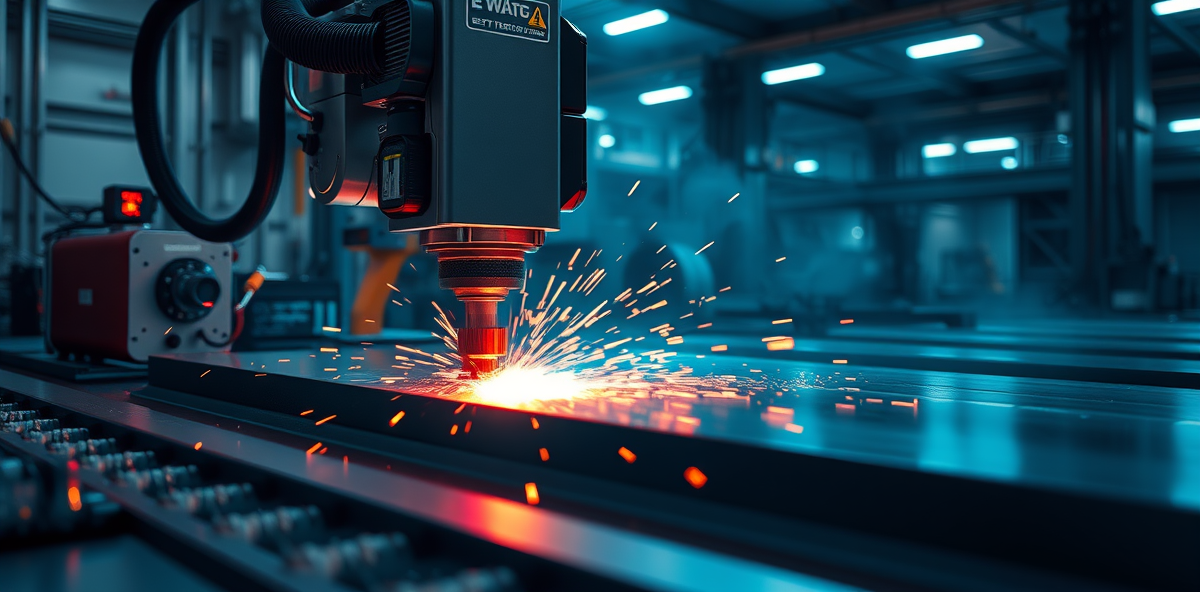
At its core, a Laser Cutting Machine is an advanced industrial tool that utilizes a highly focused, high-power laser beam to cut materials. Unlike conventional cutting methods that rely on mechanical force, a laser cutting system employs a non-contact thermal process, meaning the laser beam melts, vaporizes, or burns through the material along a precisely defined path. This results in incredibly clean cuts with minimal material distortion and exceptional edge quality.
The fundamental components of a Laser Cutting Machine typically include a laser source, a beam delivery system, a cutting head, and a Computer Numerical Control (CNC) system. The laser source generates the coherent light beam, which is then guided and focused onto the material by the beam delivery system. The cutting head houses the focusing lens and often a nozzle for assist gas. The CNC system serves as the brain, controlling the movement of the cutting head with extreme precision, allowing for intricate designs and complex geometries to be cut with ease.
This technology is critical for industries demanding high-tolerance parts and efficient production, from automotive and aerospace to medical device manufacturing and general fabrication. Its ability to process a wide array of materials, from thin foils to thick plates, makes it an indispensable asset in contemporary manufacturing facilities.
How Does a Laser Cutting Machine Work?
Understanding the operational mechanics of a Laser Cutting Machine is key to appreciating its capabilities and optimizing its use. The process begins with the generation of a powerful laser beam, which is then meticulously directed to interact with the workpiece.
Laser Generation and Beam Delivery
The journey starts within the laser source, where energy is supplied to an active medium (gas, crystal, or optical fiber) to produce stimulated emission of light, resulting in a coherent and monochromatic laser beam. This beam possesses high energy density and directionality. Once generated, the beam is typically guided through a series of mirrors and lenses, or via an optical fiber, towards the cutting head. This beam delivery system ensures minimal energy loss and maintains the beam’s quality.
Focusing and Material Interaction
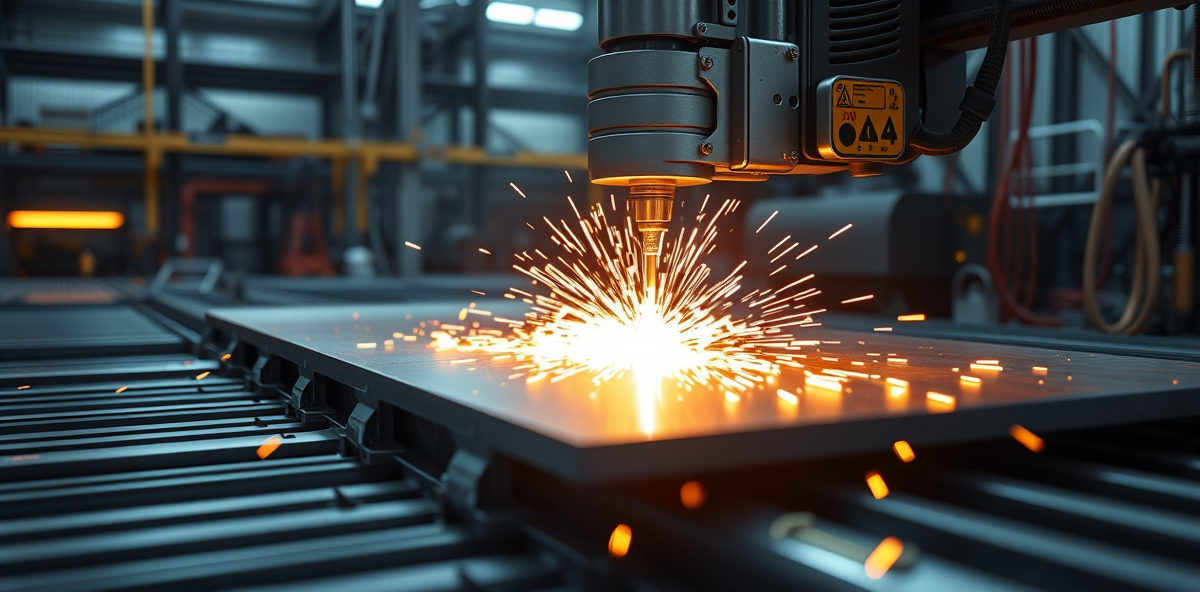
Upon reaching the cutting head, the laser beam passes through a focusing lens. This lens concentrates the large-diameter beam into an incredibly small spot, often just a few hundredths of a millimeter in diameter, on the surface of the material. This intense focusing dramatically increases the power density, allowing the laser to rapidly heat the material at the point of contact. The material then melts, vaporizes, or ablates, depending on the material type and laser parameters.
Simultaneously, an assist gas – typically oxygen, nitrogen, or compressed air – is ejected through a coaxial nozzle around the laser beam. This assist gas plays several crucial roles:
- Oxygen: Used for ferrous metals, it reacts exothermically with the molten metal, increasing the cutting speed and providing additional heat for the cutting process.
- Nitrogen/Argon: Used for non-ferrous metals and stainless steel, these inert gases blow away molten material without reacting, preventing oxidation and resulting in a cleaner, dross-free edge.
- Compressed Air: A cost-effective option for certain materials where a slightly oxidized edge is acceptable.
The assist gas not only clears away molten material and slag from the kerf (the cut width) but also helps to cool the surrounding material, minimizing the heat-affected zone (HAZ) and preventing unwanted thermal distortion.
CNC Control and Precision
The entire cutting operation is orchestrated by a sophisticated Computer Numerical Control (CNC) system. Operators program the desired cutting path, speed, and power parameters into the CNC. The CNC then precisely controls the movement of the cutting head across the material, ensuring that the laser beam follows the programmed geometry with unparalleled accuracy and repeatability. This digital control allows for the creation of intricate shapes, fine features, and consistent quality across multiple parts, making the Laser Cutting Machine a cornerstone of modern, high-precision manufacturing.
Types of Laser Cutting Machines
While the fundamental principle remains similar, different types of laser sources cater to specific material processing needs. The two most prevalent types in industrial applications are CO2 lasers and fiber lasers.
CO2 Laser Cutting Machines
CO2 lasers use a gas mixture (carbon dioxide, helium, and nitrogen) as their active medium. They produce a laser beam with a wavelength typically around 10.6 micrometers, which is highly absorbed by non-metallic materials like wood, acrylic, plastics, and fabrics. CO2 lasers are also effective for cutting certain thicker metals, although often at slower speeds compared to fiber lasers for similar thicknesses. They are known for excellent cut quality on a wide range of materials and are often favored for applications where versatility across both metals and non-metals is required.
Fiber laser cutting Machines
Fiber lasers represent a more recent and rapidly advancing technology. They use an optical fiber doped with rare-earth elements (like ytterbium) as the gain medium, with the laser beam generated and delivered through the fiber itself. Fiber laser cutting machines operate at a shorter wavelength, typically around 1 micrometer, which is highly absorbed by metals. This characteristic makes them exceptionally efficient for metal laser cutting, including highly reflective metals like copper, brass, and aluminum, which are challenging for CO2 lasers.
Key advantages of fiber laser cutting include higher energy efficiency, superior beam quality resulting in finer kerf widths, faster cutting speeds for thin to medium-thick metals, and a more compact footprint. They require less maintenance due to fewer optical components and offer a longer lifespan for the laser source. For demanding metal fabrication, a fiber laser cutting machine is often the preferred choice.
Applications of Laser Cutting Technology
The versatility and precision of laser cutting have made it indispensable across a vast array of industries and applications. Its ability to handle diverse materials with intricate designs opens up possibilities that were once impractical or impossible with traditional methods.
- Automotive Industry: From cutting complex chassis components and body panels to interior trim and prototyping, laser cutting delivers the precision and speed required for automotive manufacturing.
- Aerospace Industry: For lightweight, high-strength materials like titanium, aluminum, and various alloys used in aircraft structures, turbine components, and interior parts, laser cutting ensures accuracy for critical applications.
- Medical Devices: The demand for extremely precise and clean cuts for surgical instruments, implants, and device enclosures makes laser cutting an ideal solution, often utilizing smaller, highly focused beams.
- Electronics Manufacturing: Cutting delicate circuit boards, metal enclosures, and component housings with high accuracy and minimal thermal impact.
- Sheet Metal Fabrication: A cornerstone application, metal laser cutting is used to produce everything from architectural panels and HVAC components to machinery parts, signage, and custom enclosures with unparalleled efficiency.
- Jewelry Making: Intricate designs and fine details on precious metals like gold, silver, and platinum are effortlessly achieved with laser cutting, offering new creative freedoms.
- Art and Design: Creating bespoke artworks, decorative screens, and intricate models from various materials, pushing the boundaries of creative expression.
- Textile and Fashion: Precisely cutting fabrics, leather, and technical textiles for apparel, upholstery, and industrial applications, minimizing fraying and ensuring clean edges.
- Signage and Display: Producing sharp, clean-edged letters, logos, and intricate designs from acrylic, wood, and metal for both indoor and outdoor applications.
This wide range of applications underscores the adaptability of laser cutting technology, making it a critical asset for any manufacturing business aiming for high quality, efficiency, and innovative product design.
Benefits of Laser Cutting
Adopting a Laser Cutting Machine offers a multitude of advantages over conventional cutting techniques, directly contributing to improved product quality, reduced operational costs, and increased production efficiency. For industrial buyers, these benefits translate into tangible returns on investment.
- Exceptional Precision and Accuracy: Laser cutting delivers incredibly tight tolerances and produces intricate geometries with unparalleled accuracy. This precision is vital for components that require perfect fitment and function, reducing the need for post-processing.
- Superior Edge Quality: The non-contact thermal process results in smooth, clean, and often burr-free edges, eliminating the need for secondary finishing operations like deburring or grinding, which saves time and labor costs.
- High Speed and Efficiency: Modern laser cutting systems, especially fiber lasers, can process materials at very high speeds. This significantly reduces cycle times and increases throughput, allowing manufacturers to meet demanding production schedules.
- Versatility Across Materials: A single Laser Cutting Machine can cut a wide variety of materials, including different types of metals (stainless steel, carbon steel, aluminum, copper, brass), plastics, wood, and composites. This versatility makes it an invaluable asset for job shops and manufacturers with diverse material requirements.
- Minimal Material Distortion: The focused heat input and efficient cooling by assist gases localize the thermal impact, minimizing the heat-affected zone (HAZ). This reduces material warping and distortion, preserving the material’s structural integrity and aesthetic.
- Reduced Material Waste: Advanced nesting software optimizes material utilization by arranging parts efficiently on the sheet, leading to less scrap and significant cost savings on raw materials.
- Non-Contact Process, Less Wear and Tear: Since there is no physical contact between the tool and the workpiece, there is no tool wear. This reduces consumable costs, eliminates the need for tool sharpening or replacement, and ensures consistent cut quality over long production runs.
- Automation and Integration: Laser cutting machines are easily integrated into automated production lines, often linked with material handling systems, further enhancing efficiency and enabling lights-out manufacturing.
- Increased Safety: Enclosed cutting areas and automated processes reduce direct human interaction with cutting operations, enhancing workplace safety.
These benefits collectively underscore why laser cutting has become a cornerstone technology in advanced manufacturing, enabling businesses to achieve higher quality, greater efficiency, and a stronger competitive position.
How to Choose the Right Laser Cutting Equipment
Selecting the optimal Laser Cutting Machine is a critical decision that impacts productivity, operational costs, and product quality. A thorough evaluation of your specific requirements and available technologies is essential to make an informed investment.
Material Type and Thickness
This is perhaps the most crucial factor. For cutting a wide range of metals, particularly thinner to medium gauge, or highly reflective metals like copper and brass, a fiber laser cutting machine is generally the superior choice due to its wavelength and efficiency. If your primary materials include non-metals (wood, acrylic, paper) and thicker steels, a CO2 laser might be more suitable or a versatile option if non-metals are also part of your portfolio. The maximum thickness you need to cut will also dictate the required laser power.
Laser Power (Watts)
Higher laser power generally translates to faster cutting speeds, especially for thicker materials. However, excessive power for thin materials can lead to unnecessary energy consumption and potentially compromise cut quality. Balance your power requirements with your typical material thickness and desired throughput.
Precision and Edge Quality Requirements
If your applications demand extremely tight tolerances and flawless edge finishes, invest in a machine known for its superior beam quality and stable motion control. Fiber laser cutting often excels in this regard for metals.
Production Volume and Throughput
For high-volume production, prioritize machines with faster cutting speeds, robust automation features (e.g., automatic sheet loading/unloading), and minimal downtime. Smaller job shops might prioritize versatility over sheer speed.
Budget and Return on Investment (ROI)
Consider not just the initial purchase price but also long-term operational costs, including energy consumption, assist gases, maintenance, and consumables. A higher initial investment in a more efficient machine can yield significant savings over its lifespan, leading to a quicker ROI.
Machine Footprint and Facility Integration
Evaluate the physical size of the Laser Cutting Machine and ensure it fits comfortably within your factory layout, considering access for material loading and maintenance. Also, assess its compatibility with your existing manufacturing ecosystem.
Software and User Interface
A user-friendly CNC interface and intuitive programming software can significantly reduce training time and operational errors, enhancing productivity. Look for features like advanced nesting, real-time monitoring, and diagnostic tools.
Manufacturer Reputation and Support
Choose a reputable manufacturer known for quality, reliability, and excellent after-sales support. Access to technical assistance, spare parts, and training programs is crucial for maximizing uptime and machine longevity.
Why Choose Lemon Laser
When investing in a Laser Cutting Machine, partnering with a trusted and innovative supplier is paramount. Lemon Laser stands at the forefront of laser technology, offering solutions designed to meet the rigorous demands of modern industrial manufacturing. Our commitment to excellence, precision engineering, and customer-centric approach sets us apart.
Lemon Laser specializes in state-of-the-art fiber laser cutting machines, renowned for their unparalleled speed, accuracy, and energy efficiency. Our equipment is built with high-quality components and advanced control systems, ensuring superior cut quality and consistent performance across a wide range of metals, from thin gauge to robust plates. We understand that every manufacturing operation has unique needs, which is why we offer a diverse portfolio of machines and are capable of providing customized solutions.
Choosing Lemon Laser means investing in reliability and innovation. We prioritize robust design and cutting-edge technology to minimize downtime and maximize your production capacity. Beyond the machinery, we provide comprehensive technical support, expert training, and responsive after-sales service, ensuring that your investment continues to deliver exceptional value throughout its lifecycle. With Lemon Laser, you gain not just a machine, but a partner dedicated to your manufacturing success.
Maintenance and Operational Tips
To ensure the longevity, optimal performance, and consistent output quality of your Laser Cutting Machine, regular maintenance and adherence to best operational practices are essential. Proactive care can prevent costly breakdowns and extend the lifespan of your equipment.
- Regular Cleaning of Optics: The focusing lens, protective windows, and mirrors are critical components. Dust, debris, and spatter can degrade beam quality and cause damage. Clean them regularly according to the manufacturer’s guidelines using appropriate cleaning solutions and techniques.
- Nozzle Inspection and Replacement: The cutting nozzle directs the assist gas and centers the laser beam. Inspect it daily for wear, blockages, or damage. A worn or dirty nozzle can significantly impair cut quality and efficiency. Replace as needed.
- Beam Alignment and Calibration: Periodically check the laser beam alignment to ensure it passes precisely through the center of the nozzle. Misalignment can lead to poor cut quality, inefficient operation, and potential damage to optics.
- Maintain the Cooling System: The chiller system is vital for maintaining the optimal operating temperature of the laser source and optics. Regularly check coolant levels, filter condition, and ensure proper circulation to prevent overheating.
- Quality of Assist Gases: Use high-purity assist gases as recommended by the machine manufacturer. Impurities can contaminate optics, reduce cut quality, and cause system malfunctions. Monitor gas pressure and flow rates.
- Lubrication of Moving Parts: Ensure all linear guides, ball screws, and other moving components are properly lubricated to minimize friction and wear, ensuring smooth and accurate motion.
- Dust Extraction System: The fume extraction system is crucial for removing smoke, particles, and fumes generated during cutting. Regularly clean or replace filters to maintain effective suction and a safe working environment.
- Software and Firmware Updates: Keep the machine’s control software and firmware updated as recommended by the manufacturer. Updates often include performance enhancements, new features, and bug fixes.
- Operator Training: Ensure that operators are thoroughly trained on machine operation, safety protocols, and basic troubleshooting. Skilled operators can identify issues early and contribute to efficient operation.
- Preventive Maintenance Schedule: Establish and strictly follow a preventive maintenance schedule. This should include daily, weekly, monthly, and annual checks as specified in the machine’s manual.
By implementing these maintenance and operational tips, you can significantly enhance the reliability, efficiency, and safety of your laser cutting operations, ensuring consistent high-quality output for years to come.
Future of Laser Technology in Manufacturing
The trajectory of laser technology in manufacturing points towards even greater sophistication, integration, and versatility. As industries continue to push the boundaries of materials and designs, laser systems will evolve to meet these complex demands, promising a future of enhanced productivity and innovation.
- Increased Automation and AI Integration: Future laser cutting machines will feature more advanced automation, including robotic material handling, intelligent nesting algorithms, and real-time process monitoring powered by artificial intelligence and machine learning. This will enable fully autonomous production cells and smart factories.
- Higher Power and Efficiency: Continuous advancements in laser source technology will lead to even higher power outputs, allowing for faster cutting speeds and the processing of thicker or more challenging materials with greater efficiency. Energy consumption will continue to decrease, supporting sustainable manufacturing practices.
- Processing of Advanced Materials: Lasers will become even more adept at cutting exotic and composite materials, such as ceramics, carbon fiber reinforced polymers (CFRPs), and new alloys, opening up new possibilities for aerospace, medical, and high-tech industries.
- Hybrid Manufacturing Systems: The integration of laser cutting with other manufacturing processes, such as laser welding, additive manufacturing (3D printing), and conventional machining, will become more common. This will lead to hybrid systems capable of performing multiple operations on a single platform, enhancing production flexibility and reducing setup times. For example, combining a laser cutting machine with a laser welding machine for complete sheet metal part fabrication.
- Enhanced Monitoring and Diagnostics: Real-time sensory feedback and advanced diagnostic tools will enable predictive maintenance, anticipating potential failures before they occur and minimizing unplanned downtime.
- Improved Beam Shaping and Control: Developments in beam shaping optics will allow for more precise control over the laser spot size, intensity distribution, and focal depth, leading to even finer cuts, improved edge quality, and optimized material interaction for diverse applications.
- Sustainability Focus: Future laser systems will prioritize environmental sustainability through even greater energy efficiency, reduced waste generation, and the use of eco-friendly materials and processes.
These developments underscore the dynamic nature of laser technology, ensuring its continued role as a pivotal force in driving manufacturing innovation and efficiency into the next era.
Conclusion
The Laser Cutting Machine has unequivocally transformed the landscape of industrial manufacturing, moving beyond a specialized tool to become an indispensable asset in modern production. Its ability to deliver unparalleled precision, speed, and versatility across a vast spectrum of materials and applications has established it as a cornerstone technology for businesses striving for excellence.
From the intricate workings of laser generation and beam delivery to the sophisticated control of CNC systems, the principles behind laser cutting underscore its efficiency and capability. The distinct advantages of fiber laser cutting, particularly for metal laser cutting, highlight its role in driving precision and productivity. The myriad benefits, including superior edge quality, minimal material distortion, and reduced waste, translate directly into improved product quality and significant cost savings for manufacturers.
For any manufacturing enterprise looking to elevate its capabilities, investing in the right laser cutting equipment is a strategic imperative. By carefully considering factors such as material requirements, power needs, and the reputation of the supplier, businesses can harness the full potential of this advanced technology. With partners like Lemon Laser, offering cutting-edge fiber laser solutions and unwavering support, the path to optimized production and competitive advantage is clear. As laser technology continues to evolve, its impact on shaping the future of manufacturing will only grow, promising a new era of innovation and efficiency.