Currently Empty: ₹0.00
What is the Price of a Laser Cutting Machine in India? A Comprehensive Guide for Industrial Buyers
In the dynamic landscape of Indian manufacturing, precision, speed, and efficiency are paramount. As industries strive for higher productivity and impeccable quality, advanced machinery like the Laser Cutting Machine has become indispensable. For factory owners, engineers, and manufacturing companies looking to upgrade their capabilities or invest in new technology, understanding the cost implications is a critical first step. The price of a Laser Cutting Machine in India can vary significantly, influenced by a myriad of factors from laser power to brand reputation and after-sales service. This comprehensive guide aims to demystify the pricing structure, helping you make an informed investment decision that aligns with your operational needs and budget.
Investing in a Laser Cutting Machine is not just about the initial purchase price; it’s about the total cost of ownership, including operational expenses, maintenance, and the potential for increased profitability. We will delve into the technology behind these machines, explore their diverse applications, and provide crucial insights into choosing the right equipment for your specific manufacturing requirements. Whether you are cutting thin sheets for intricate designs or thick plates for heavy fabrication, understanding the nuances of the market is key to securing a valuable asset for your business.
Understanding Laser Cutting Technology
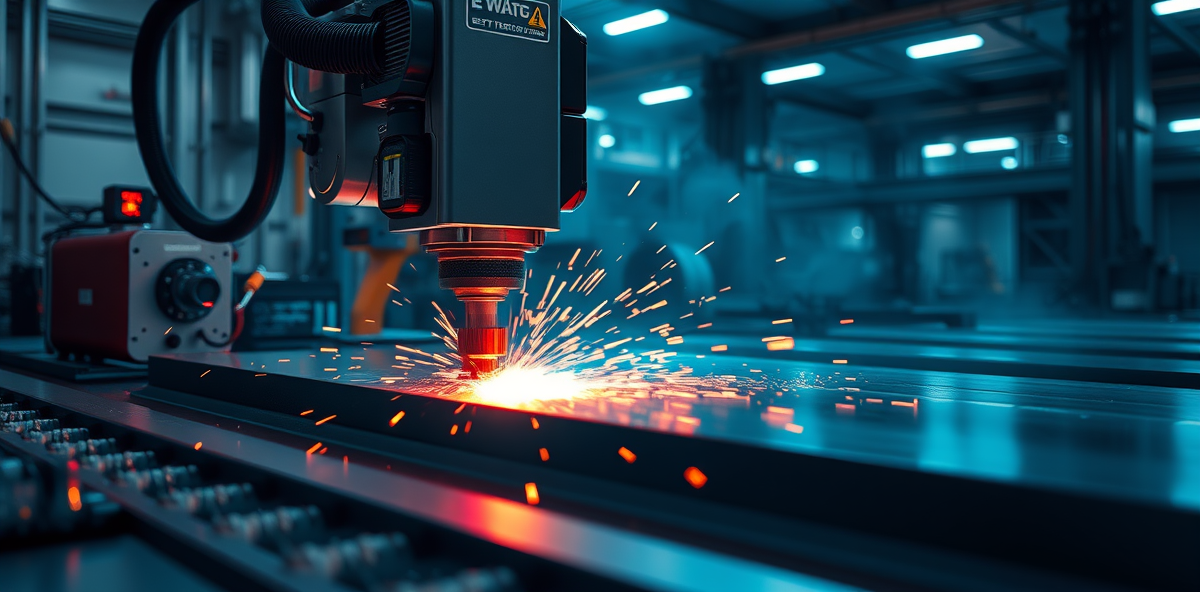
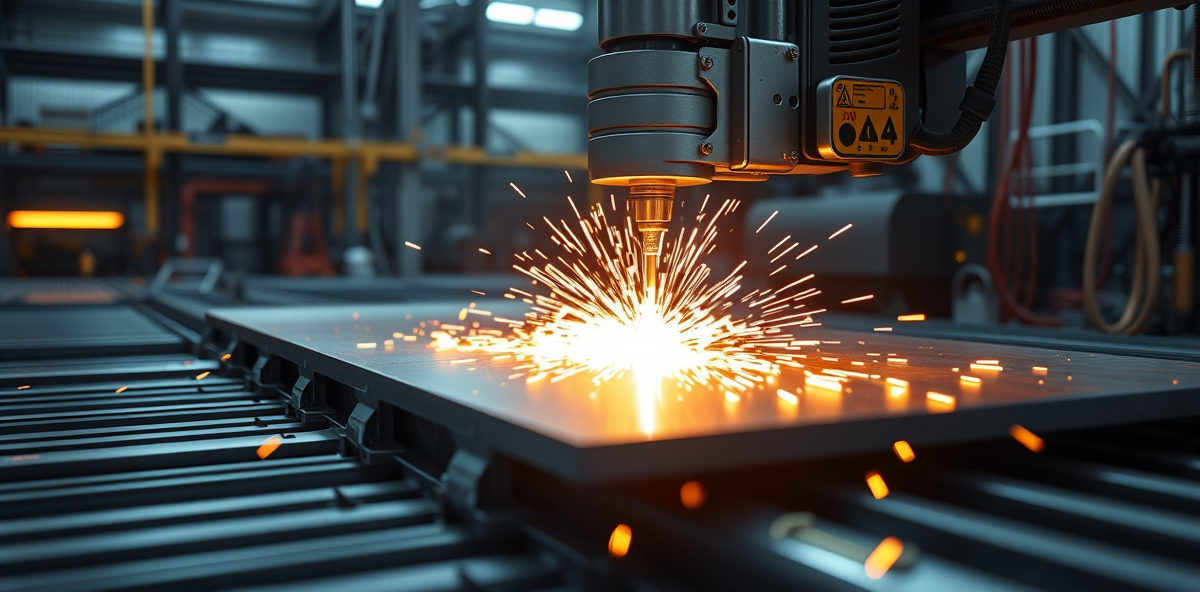
Laser cutting is a technology that uses a high-powered laser beam to cut materials. This process is known for its precision, speed, and ability to create intricate designs that would be challenging with traditional cutting methods. At its core, the technology focuses a powerful laser beam onto the material, heating it to a point where it melts, burns, or vaporizes, leaving a clean, precise cut.
What is Fiber Laser Technology?
Fiber laser technology represents a significant leap forward in metal processing. Unlike traditional CO2 lasers, fiber lasers use an optical fiber as the active gain medium, which is doped with rare-earth elements. The laser beam is generated and amplified within the fiber, then delivered to the cutting head via a flexible fiber optic cable. This design offers numerous advantages, making fiber laser cutting highly efficient and versatile.
Fiber lasers are particularly adept at cutting reflective metals such as copper, brass, and aluminum, alongside stainless steel and mild steel, which makes them ideal for various industrial applications. Their solid-state design results in lower maintenance, higher energy efficiency, and a more compact footprint compared to other laser types. This superior performance makes fiber laser cutting a preferred choice for modern manufacturing facilities aiming for high throughput and precision.
Types of Laser Cutting Machines
While various types of lasers exist, fiber and CO2 lasers are the most prevalent in industrial cutting. Fiber lasers, as discussed, excel in metal cutting due to their high power density and shorter wavelength. They are known for their efficiency in processing thin to medium-thick metals, offering excellent cut quality and speed. The prevalence of fiber laser cutting in India has grown exponentially due to its operational benefits.
CO2 lasers, on the other hand, are more versatile for cutting non-metals such as wood, acrylic, plastics, and some thicker metals, though typically not with the same speed or edge quality as fiber lasers for metal applications. When considering a Laser Cutting Machine for metal fabrication, fiber laser technology is often the go-to solution due to its specific advantages for metal laser cutting.
Key Factors Influencing Laser Cutting Machine Price in India
The price of a Laser Cutting Machine in India is a complex equation, shaped by several critical factors. Understanding these elements is essential for any potential buyer to accurately budget and select a machine that offers the best value for their investment. From technical specifications to after-sales support, each component plays a role in the final cost.
Laser Power (Wattage)
The laser power, measured in watts (W), is arguably the most significant determinant of a Laser Cutting Machine‘s price and capability. Higher power lasers (e.g., 2kW, 3kW, 6kW, 12kW, or even higher) can cut thicker materials faster and with superior edge quality, but they come at a substantially higher cost. For instance, a 1kW fiber laser is suitable for thinner sheets and general fabrication, while a 6kW or 12kW fiber laser is necessary for heavy-duty metal laser cutting of thick plates in demanding industrial environments.
The choice of laser power should directly correlate with the maximum thickness and type of materials you intend to cut regularly. Over-specifying power can lead to unnecessary expenditure, while under-specifying can limit your operational capabilities and future growth.
Working Area/Bed Size
The size of the machine’s working bed dictates the maximum dimensions of the sheet metal or material that can be processed. Common bed sizes include 3000x1500mm, 4000x2000mm, and even larger custom sizes. Larger working areas allow for processing bigger sheets, reducing the need for multiple cuts and increasing efficiency, especially in industries handling large components. Naturally, a larger machine frame and bed size will contribute to a higher overall price due to increased material, manufacturing complexity, and shipping costs.
Component Quality (Laser Source, Cutting Head, Servo Motors)
The quality and brand of critical components significantly impact both performance and price. Premium laser sources from renowned international manufacturers like IPG, Raycus, or MAX offer higher stability, longer lifespan, and better beam quality, but they also command a higher price. Similarly, high-precision cutting heads, robust servo motors (e.g., from Fuji, Yaskawa), and advanced control systems (e.g., CypCut, FScut) ensure accuracy, speed, and reliability. Investing in machines with high-quality components minimizes downtime and maintenance costs in the long run.
Brand and Manufacturer
Both domestic and international brands offer Laser Cutting Machines in India. Established international brands often come with a premium price tag due to their reputation, advanced technology, and global support networks. Indian manufacturers, while often more budget-friendly, have made significant strides in technology and quality, offering competitive alternatives. The choice between brands often balances budget, proven reliability, and access to local service and spare parts. Lemon Laser, for example, focuses on delivering high-quality machines with strong local support.
Software and Automation Features
Modern Laser Cutting Machines are often integrated with sophisticated software for CAD/CAM, nesting, and production management. Advanced features like automatic nozzle changing, automatic sheet loading/unloading systems, and intelligent piercing can drastically improve efficiency and reduce labor costs. These automation features, while adding to the initial price, can offer a significant return on investment through increased throughput and reduced operational interventions, especially for high-volume fiber laser cutting operations.
After-Sales Service and Warranty
A comprehensive warranty and reliable after-sales service are crucial for any industrial machinery investment. The cost of a Laser Cutting Machine often includes the level of support provided, such as installation, training, technical assistance, and access to spare parts. Reputable manufacturers and suppliers offer extensive service networks to ensure minimal downtime. While seemingly an add-on, robust after-sales support can save significant costs and headaches over the machine’s lifespan.
Customization Options
Some manufacturers offer customization options to tailor the Laser Cutting Machine to specific production needs. This could include specialized cutting heads for particular materials, unique bed configurations, or integration with existing factory automation systems. Customizations add to the overall price but ensure the machine perfectly fits unique operational requirements, maximizing efficiency for specialized metal laser cutting tasks.
Ancillary Equipment
The price of the Laser Cutting Machine itself is only part of the investment. You will also need ancillary equipment such as industrial chillers for cooling the laser source, air compressors for assisting the cutting process (e.g., for mild steel), and dust collectors to maintain a clean and safe working environment. These essential accessories contribute to the total capital outlay and must be factored into the overall budget.
Price Range Overview in India
Given the multitude of influencing factors, providing an exact price for a Laser Cutting Machine in India is challenging. However, we can outline general ranges based on common configurations. These figures are estimates and can vary based on current market conditions, specific supplier, and exact specifications.
- Entry-Level Machines (1kW – 2kW Fiber Laser): For smaller workshops or businesses with lighter production demands, machines in the 1kW to 2kW range typically cost between ₹25 Lakhs to ₹50 Lakhs. These are ideal for cutting thinner sheets of stainless steel, mild steel, and aluminum, and are a good starting point for exploring fiber laser cutting capabilities.
- Mid-Range Machines (3kW – 4kW Fiber Laser): These machines are popular among medium-sized manufacturers due to their balance of power, speed, and cost-effectiveness. Prices usually fall between ₹50 Lakhs to ₹90 Lakhs. They offer faster cutting of medium-thickness materials and increased versatility for various metal laser cutting applications.
- High-End Industrial Machines (6kW – 12kW+ Fiber Laser): Designed for heavy industrial use, continuous operation, and processing thick metals, these machines represent a significant investment. Prices can range from ₹90 Lakhs to ₹2 Crores or more, depending on automation, brand, and specific features. These high-power machines are essential for industries requiring maximum throughput and the ability to cut very thick materials with precision.
It is important to obtain detailed quotes from multiple suppliers, specifying your exact requirements to get an accurate price. Remember to consider the total cost of ownership, including power consumption, consumables, and maintenance.
Applications of Laser Cutting Machines
The versatility and precision of Laser Cutting Machines have made them indispensable across a wide spectrum of industries. Their ability to handle various materials with high accuracy opens up numerous application possibilities, revolutionizing manufacturing processes.
- Automotive Industry: From cutting chassis components and intricate engine parts to creating prototypes and specialized tooling, laser cutting ensures precision and speed in automotive manufacturing. Metal laser cutting is critical for creating lightweight yet strong vehicle structures.
- Fabrication and Sheet Metal Industry: This is perhaps the largest sector utilizing laser cutting. Custom metal fabrication, architectural elements, HVAC components, and industrial enclosures all benefit from the precise and clean cuts offered by fiber laser cutting technology.
- Aerospace and Defense: High-precision cutting of specialized alloys and composite materials for aircraft components, satellite parts, and defense equipment demands the accuracy that only laser cutting can provide. The reliability of these cuts is paramount for safety and performance.
- Medical Device Manufacturing: The need for extremely fine and accurate cuts on small, complex parts made from various materials makes laser cutting ideal for producing surgical instruments, implants, and other medical devices.
- Electronics Industry: For cutting delicate components, circuit board stencils, and housings for electronic devices, laser cutting offers the control and minimal material distortion required.
- Signage and Artistic Fabrication: Laser cutters are widely used for creating intricate signs, decorative metalwork, and artistic installations due to their ability to produce complex designs with smooth edges.
Benefits of Investing in a Laser Cutting Machine
The strategic investment in a Laser Cutting Machine yields numerous advantages that directly contribute to increased profitability, operational efficiency, and enhanced product quality. These benefits extend across various aspects of the manufacturing process.
- Precision and Accuracy: Laser cutting offers unparalleled precision, with tolerances often measured in micrometers. This ensures highly accurate parts that meet stringent quality standards and fit perfectly in assemblies, reducing rework.
- High Speed and Efficiency: Fiber laser cutting machines are remarkably fast, especially when processing thin to medium-thick metals. Their speed significantly reduces production times, allowing for higher throughput and meeting tight deadlines.
- Versatility: A single Laser Cutting Machine can process a wide range of materials, including various types of steel, aluminum, copper, brass, and even some non-metals (depending on the laser type). This versatility allows manufacturers to take on diverse projects.
- Reduced Material Waste: The narrow kerf (cut width) and advanced nesting software minimize material waste, optimizing sheet utilization and leading to significant cost savings on raw materials.
- Lower Operating Costs: Compared to traditional methods, modern fiber laser cutting machines have lower power consumption and fewer consumables, contributing to reduced operating expenses over time. They also require less manual intervention.
- Automation and Repeatability: With sophisticated CNC controls, laser cutters can perform complex cuts repeatedly with consistent quality. This automation reduces human error and ensures uniform part production, essential for mass manufacturing.
- Excellent Edge Quality: Laser-cut parts often have a smooth, clean edge that requires little to no post-processing, saving time and labor costs associated with deburring or finishing.
How to Choose the Right Laser Equipment
Selecting the ideal Laser Cutting Machine is a critical decision that impacts your production capabilities and profitability. A thorough evaluation of your needs and the available options is essential to make a wise investment.
- Assess Your Production Needs: Begin by clearly defining your current and future production requirements. What materials do you cut? What are the maximum thicknesses? What production volume do you anticipate? This will guide your decision on laser power, bed size, and automation level.
- Consider Material Types and Thicknesses: If your primary focus is metal laser cutting, especially reflective metals or thick steel, a fiber laser is the clear choice. Determine the maximum thickness you will regularly cut, as this directly influences the required laser power.
- Evaluate Laser Power: Match the laser power to your material cutting requirements. A higher power ensures faster cuts on thicker materials, but also comes with a higher price tag. Balance your needs with your budget.
- Check Machine Bed Size: Choose a working area that accommodates your largest typical material sheets. Consider if you need a shuttle table for continuous operation, which allows loading new sheets while the machine is cutting, maximizing uptime.
- Research Manufacturer Reputation and Support: Opt for a reputable manufacturer or supplier known for quality, reliability, and excellent after-sales service in India. Check their track record, customer reviews, and the availability of local technical support and spare parts.
- Understand Software and Features: Evaluate the accompanying software for ease of use, nesting capabilities, and integration with your existing design workflow. Consider features like auto-focusing, edge finding, and advanced safety systems.
- Budgeting for Total Cost of Ownership: Look beyond the initial purchase price. Factor in operational costs (power, gas, consumables), maintenance, potential downtime, and the expected lifespan of the machine. A cheaper machine with high running costs might prove more expensive in the long run.
- Explore Financing Options: Investigate potential financing solutions or government subsidies available for industrial machinery in India to ease the financial burden of the initial investment.
Why Choose Lemon Laser
Lemon Laser stands as a prominent provider of advanced laser solutions in the Indian market, committed to delivering cutting-edge technology and exceptional customer support. Our range of Laser Cutting Machines is engineered to meet the diverse and demanding requirements of modern manufacturing, ensuring precision, efficiency, and reliability.
We pride ourselves on offering high-performance fiber laser cutting machines equipped with top-tier components, ensuring durability and consistent results for all your metal laser cutting needs. Beyond superior product quality, Lemon Laser provides comprehensive after-sales service, including expert installation, thorough operator training, and readily available technical support. Choosing Lemon Laser means partnering with a company dedicated to your long-term success, helping you optimize your production processes and achieve outstanding output.
Maintenance and Operational Tips for Longevity
To maximize the lifespan, efficiency, and performance of your Laser Cutting Machine, adherence to a strict maintenance schedule and best operational practices is crucial. Proper care safeguards your investment and ensures consistent cut quality.
- Regular Cleaning: Keep the machine bed, optics (lenses and nozzles), and surrounding area clean. Dust, debris, and slag accumulation can impair performance and damage components.
- Preventive Maintenance Schedules: Follow the manufacturer’s recommended preventive maintenance schedule. This includes checking and calibrating critical components, lubricating moving parts, and inspecting electrical connections.
- Consumable Replacement: Regularly inspect and replace consumables such as nozzles, ceramics, and protective windows. Worn or damaged consumables degrade cut quality and can lead to more significant machine issues.
- Operator Training: Ensure operators are thoroughly trained on machine operation, safety protocols, and basic troubleshooting. Well-trained personnel are less likely to cause accidental damage and can identify issues early.
- Environmental Control: Maintain a stable temperature and humidity in the machine’s operating environment. Extreme fluctuations can affect laser performance and component lifespan. Ensure the chiller unit is functioning optimally.
- Software Updates: Keep the machine’s control software updated to benefit from performance enhancements, new features, and bug fixes provided by the manufacturer.
- Gas Quality: Use high-purity assist gases (oxygen, nitrogen, air) as specified by the machine manufacturer. Impurities can negatively affect cut quality and damage optics.
The Future of Laser Technology in Manufacturing
The trajectory of laser technology in manufacturing points towards even greater sophistication, automation, and integration. As industries embrace Industry 4.0 principles, the Laser Cutting Machine will evolve further, offering unprecedented capabilities and efficiencies.
- Industry 4.0 Integration: Future laser cutters will feature enhanced connectivity and data analytics, allowing for real-time monitoring, predictive maintenance, and seamless integration into smart factory ecosystems.
- Advanced Automation and AI: Expect to see more sophisticated automation, including robotic loading/unloading, intelligent material handling, and AI-driven process optimization that adapts cutting parameters dynamically for optimal results, especially for complex metal laser cutting tasks.
- Increased Power and Efficiency: Laser sources will continue to become more powerful and energy-efficient, enabling faster processing of even thicker and more challenging materials while reducing operational costs.
- New Material Processing Capabilities: Research and development are expanding laser cutting capabilities to new and advanced materials, including composites, ceramics, and ultra-high-strength alloys, opening up new application frontiers.
- Hybrid Systems: The emergence of hybrid systems combining laser cutting with other processes like bending, welding, or even additive manufacturing on a single platform will streamline production workflows and reduce material handling. This could also see more integration with technologies like the Laser Welding Machine.
Conclusion
Investing in a Laser Cutting Machine in India is a significant decision that promises substantial returns through enhanced precision, increased efficiency, and superior product quality. While the price range can vary widely based on laser power, features, brand, and service, understanding these influencing factors is key to making an informed choice. For industrial buyers, the focus should extend beyond the initial cost to encompass the total cost of ownership, operational benefits, and the long-term support offered by the supplier.
By carefully assessing your specific production needs, considering the types and thicknesses of materials you process (particularly for fiber laser cutting and metal laser cutting), and evaluating the reputation and support of manufacturers like Lemon Laser, you can acquire a machine that not only meets your current demands but also positions your business for future growth and technological advancement. A well-chosen Laser Cutting Machine is not just an expense; it is a strategic asset that will drive innovation and competitiveness in your manufacturing operations for years to come.