Currently Empty: ₹0.00
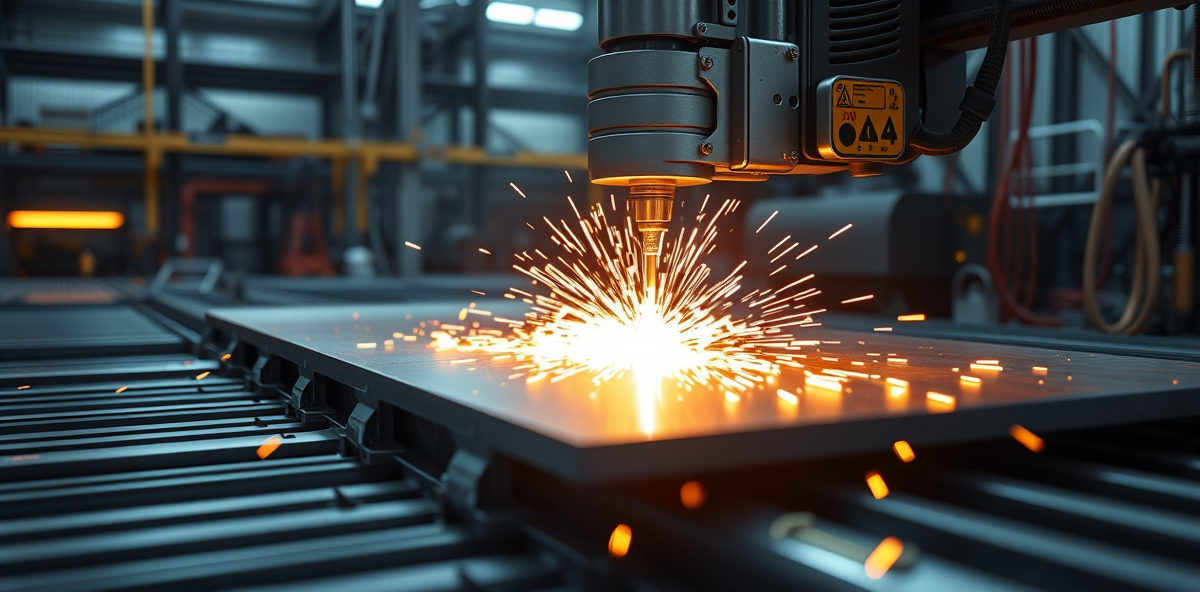
Introduction to Precision: The Role of Laser Welding in Modern Manufacturing
The landscape of modern manufacturing is continually evolving, driven by demands for increased precision, efficiency, and automation. At the forefront of this evolution stands advanced technology such as the laser welding machine. These sophisticated systems have revolutionized how industries approach material joining, offering unparalleled accuracy and speed.
However, the power and potential of a laser welding machine can only be fully realized through the hands of a skilled and well-trained operator. Investing in cutting-edge machinery without a corresponding investment in human expertise is like owning a high-performance vehicle without a driver capable of navigating its full capabilities. This article delves into the critical question: how much training is truly required to proficiently and safely operate a laser welding machine?
Understanding Fiber Laser Technology in Welding
At the heart of many modern welding solutions lies fiber laser technology. Unlike traditional welding methods that rely on heat generated by an electric arc or flame, fiber lasers utilize an intense, concentrated beam of light to melt and fuse materials. This method offers distinct advantages, including a smaller heat-affected zone (HAZ), minimal material distortion, and superior weld quality.
Fiber laser technology is also prominent in related fields like fiber laser cutting, demonstrating its versatility across various metal fabrication processes. The precision achievable with these systems makes them indispensable for intricate work where tolerances are extremely tight. Understanding the fundamental principles of how these lasers generate and deliver their powerful beams is foundational for any operator.
Applications of Laser Welding Machines Across Industries
The versatility and precision of the laser welding machine have led to its widespread adoption across a diverse range of industries. From micro-components in electronics to heavy-duty structures, laser welding offers solutions where traditional methods fall short.
- Automotive Industry: Used for welding car body components, transmission parts, and sensor housings, where strong, lightweight, and precise welds are crucial for performance and safety.
- Medical Device Manufacturing: Essential for joining tiny, delicate components in pacemakers, surgical instruments, and implants, requiring sterile and extremely precise welds.
- Aerospace and Defense: Utilized for critical aircraft components, turbine blades, and missile parts, where material integrity and high strength-to-weight ratios are paramount.
- Electronics and Microelectronics: Perfect for welding fine wires, circuit board components, and battery casings, offering minimal heat input to protect sensitive electronics.
- Jewelry Manufacturing: Provides clean, strong, and virtually invisible welds for intricate designs and repairs, preserving the aesthetic of precious metals.
The Unmatched Benefits of Using a Laser Welding Machine
Adopting a laser welding machine brings a host of operational and quality benefits that significantly enhance manufacturing processes. These advantages contribute to higher productivity, reduced waste, and superior product quality.
- High Precision and Accuracy: Laser beams can be focused to extremely small spot sizes, allowing for intricate welds in tight spaces with minimal deviation.
- Minimal Heat-Affected Zone (HAZ): The concentrated energy delivery means less heat spreads to surrounding material, reducing distortion and metallurgical changes.
- High Welding Speed: Lasers can weld significantly faster than many traditional methods, leading to higher throughput and reduced production times.
- Strong and Clean Welds: Laser welds are typically very strong, ductile, and aesthetically pleasing, often requiring little to no post-processing.
- Versatility in Materials: Capable of welding a wide range of metals, including dissimilar metals, and often without the need for filler material.
- Automation Compatibility: Easily integrated into robotic and automated systems, boosting efficiency and consistency in high-volume production.
Comprehensive Training for Operating a Laser Welding Machine
Operating a laser welding machine is not a trivial task; it requires a blend of theoretical knowledge, practical skills, and a deep understanding of safety protocols. The training required can be broken down into several key areas, ranging from foundational principles to advanced operational techniques.
1. Foundational Knowledge: Laser Physics and Safety Protocols
Before any hands-on operation, understanding the science behind the technology is crucial. This includes:
- Laser Fundamentals: Basic principles of light amplification, beam generation, and properties of various laser types (e.g., fiber, CO2, YAG). Understanding how a laser works is paramount.
- Laser-Material Interaction: How different materials absorb, reflect, and transmit laser energy, which dictates welding parameters.
- Comprehensive Laser Safety: This is non-negotiable. Training covers eye safety (laser glasses), skin protection, fire hazards, fume extraction, electrical safety, and emergency procedures. Operators must be fully aware of Class 4 laser hazards and proper lockout/tagout procedures.
Initial safety training might take a few days, culminating in certifications like a Laser Safety Officer (LSO) course, depending on the role.
2. Machine Operation Basics and Software Interface
Once safety fundamentals are grasped, practical machine operation begins. This phase focuses on the specifics of the laser welding machine itself.
- System Components: Identifying and understanding the function of the laser source, beam delivery system, chiller, gas supply, control panel, and safety interlocks.
- Control Panel and Software Navigation: Learning to use the machine’s human-machine interface (HMI), navigating menus, and understanding software functions for programming weld paths and parameters.
- Basic Machine Setup: Proper loading and securing of workpieces, configuring safety barriers, and performing pre-operational checks.
This stage typically involves several days of guided instruction and supervised practice.
3. Material Science for Laser Welding
A deep understanding of metallurgy and material properties is vital for achieving high-quality welds. Operators need to know:
- Metal Properties: How different metals (e.g., stainless steel, aluminum, titanium, copper) react to laser energy, including their melting points, thermal conductivity, and reflectivity.
- Joint Design and Preparation: Understanding various joint types (butt, lap, corner, edge) and how to properly prepare materials (cleaning, fixturing) to ensure optimal weld integrity.
- Filler Material Selection: When and why to use filler wires, and how to select the appropriate type for specific base materials.
This knowledge often comes from a combination of formal training, practical experience, and possibly a background in welding or materials engineering.
4. Advanced Welding Techniques and Parameter Optimization
This is where operators refine their skills to produce high-quality, consistent welds across various applications. Training here covers:
- Parameter Control: Mastering adjustments for laser power, welding speed, focal position, pulse duration, pulse frequency, and shielding gas flow rates. Understanding how each parameter affects weld penetration, bead width, and distortion.
- Process Monitoring: Learning to observe the welding process for anomalies and understanding real-time feedback from monitoring systems.
- Defect Identification and Correction: Recognizing common weld defects (porosity, cracking, underfill, undercut, burn-through) and knowing how to adjust parameters or techniques to prevent them.
- Specialized Welding Modes: Training on techniques like wobble welding, seam tracking, or multi-pass welding for complex geometries.
This hands-on, iterative learning process can take weeks to months of dedicated practice and mentorship.
5. Maintenance and Troubleshooting Skills
To ensure the longevity and optimal performance of a laser welding machine, operators often receive training in basic maintenance and troubleshooting.
- Routine Cleaning: Proper cleaning of optics (lenses, protective windows), nozzles, and the work area to prevent contamination.
- System Checks: Monitoring chiller performance, gas levels, and interlock functionality.
- Basic Troubleshooting: Identifying common error codes, resolving minor issues, and knowing when to escalate to maintenance specialists.
While not expected to be expert technicians, operators should be capable of performing daily checks and identifying early warning signs of problems.
6. Advanced Automation and Integration
For operations utilizing robotic laser welding machines or integrated manufacturing cells, training extends to:
- Robotics Programming: Teaching robots weld paths, configuring end-effectors, and synchronizing movements with the laser.
- CAD/CAM Integration: Importing 3D models, generating tool paths, and simulating welding processes to optimize efficiency and prevent collisions.
- Quality Control Integration: Understanding how in-line inspection systems and data logging contribute to process control and traceability.
This level of training is often specialized and may require additional courses in robotics or automation engineering.
7. Certification and Continuous Learning
While specific certifications for laser welding machine operators are evolving, many industries recognize a combination of hands-on experience, vendor-specific training, and sometimes a welding certification (e.g., AWS Certified Welder with laser endorsement). Continuous learning is vital to stay updated with new technologies, materials, and safety standards.
How to Choose the Right Laser Equipment and Training Partner
Selecting a laser welding machine is a significant investment. Beyond the technical specifications of the equipment itself, considering the support and training provided by the manufacturer is paramount. A reliable vendor will offer comprehensive training programs that cover all the aspects outlined above.
When evaluating potential suppliers, consider their expertise not only in laser welding machines but also in related technologies like metal laser cutting. This indicates a broad understanding of metal fabrication. Look for vendors who provide:
- Structured training curricula for operators and maintenance staff.
- On-site or factory training options.
- Accessible technical support and documentation.
- Opportunities for ongoing education and updates.
Why Choose Lemon Laser for Your Laser Welding Needs
At Lemon Laser, we understand that advanced technology demands expert support. Our commitment extends beyond merely supplying high-performance laser welding machines and laser cutting machines. We pride ourselves on being a comprehensive partner for your manufacturing success.
We offer tailored training programs designed to empower your operators with the knowledge and skills necessary to maximize the efficiency and safety of our equipment. From initial setup and fundamental operation to advanced parameter optimization and routine maintenance, our expert trainers ensure your team is fully competent. Choosing Lemon Laser means investing in both superior machinery and the unparalleled support that guarantees optimal operational readiness and long-term success for your manufacturing processes.
Essential Maintenance and Operational Tips for Your Laser Welding Machine
Even with thorough training, adhering to best practices for maintenance and operation is critical for the longevity and performance of your laser welding machine. These tips reinforce the importance of ongoing vigilance and adherence to established protocols.
- Daily Checks: Inspecting optics for contamination, verifying shielding gas levels and flow, and checking chiller fluid levels.
- Regular Cleaning: Cleaning the work area, protective windows, and nozzles to prevent debris buildup that can degrade weld quality or damage components.
- Software Updates: Ensuring the machine’s control software is kept up-to-date with the latest versions for optimal performance and new features.
- Preventative Maintenance Schedule: Following the manufacturer’s recommended service intervals for more in-depth inspections and component replacements.
- Environmental Control: Maintaining a clean, temperature-controlled environment free from dust and humidity to protect sensitive electronic and optical components.
- Strict Adherence to Safety Protocols: Never bypassing safety interlocks, always wearing appropriate PPE, and ensuring all personnel in the work area are aware of laser hazards.
These practices, ingrained during proper training, safeguard both the equipment and the operators.
The Future of Laser Technology in Manufacturing
The field of laser technology is not static; it is constantly evolving, promising even more sophisticated capabilities for manufacturing. Future trends will likely include greater integration with Artificial Intelligence (AI) for predictive maintenance and real-time process optimization, further advancements in beam shaping and delivery for even finer control, and the expanded use of laser technology in additive manufacturing.
The convergence of laser welding machines with robotics and advanced sensing technologies will continue to push the boundaries of automation and precision. As these technologies mature, the demand for highly skilled operators who can adapt to new interfaces and processes will only grow. Continuous professional development will be key for operators to remain proficient in this dynamic environment.
Conclusion: The Indispensable Value of Training for Laser Welding
Operating a laser welding machine is a nuanced skill that requires far more than just turning on a switch. It demands a comprehensive understanding of laser physics, material science, precise operational techniques, and rigorous safety protocols. The investment in robust training for your operators is not an optional add-on; it is a critical component of maximizing your return on investment in advanced laser technology.
Proper training ensures not only the safe operation of the equipment but also unlocks its full potential for efficiency, precision, and quality output. For engineers, factory owners, and manufacturing companies, partnering with a reputable supplier like Lemon Laser, who provides both state-of-the-art machinery and extensive training, is the definitive path to achieving manufacturing excellence and maintaining a competitive edge in today’s demanding industrial landscape.