Currently Empty: ₹0.00
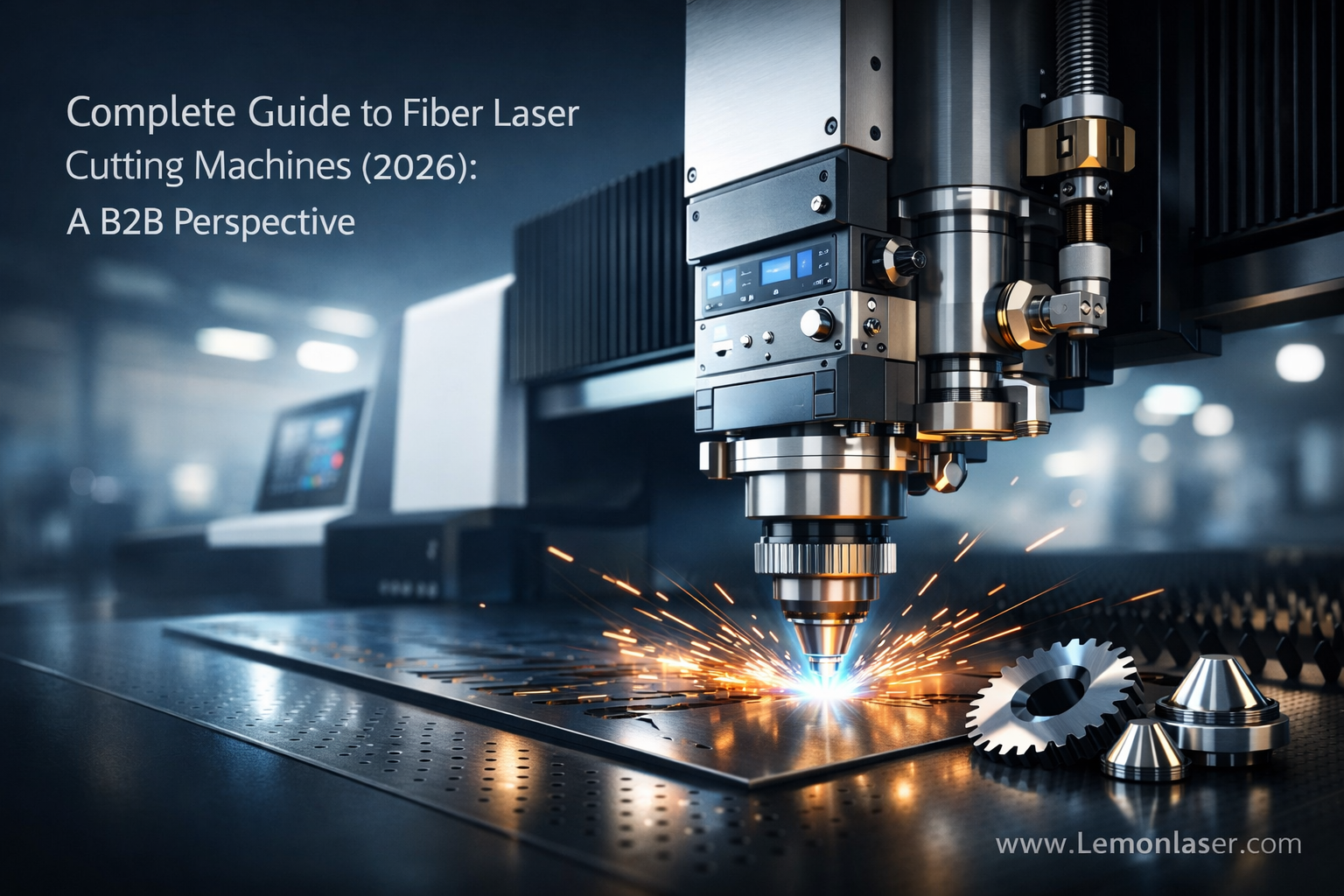
Complete Guide to fiber laser cutting machines (2026)
Fiber laser cutting machines have revolutionized the manufacturing landscape, offering unparalleled precision, speed, and efficiency in material processing. As we look towards 2026, these advanced systems continue to be indispensable tools for industries ranging from automotive to aerospace. This comprehensive guide delves into the intricacies of fiber laser technology, exploring its fundamental principles, diverse applications, and significant benefits for modern industrial operations. Whether you are an engineer, a factory owner, or part of a manufacturing company, understanding the capabilities of fiber laser cutting is crucial for maintaining a competitive edge. We will also cover essential buying considerations, maintenance tips, and a glimpse into the future of this transformative technology.
What is Fiber Laser Technology
Fiber laser technology utilizes an active gain medium, typically an optical fiber doped with rare-earth elements like ytterbium, to generate a high-intensity laser beam. This beam is then directed through a flexible fiber optic cable to the cutting head, allowing for precise and efficient material processing. Unlike traditional CO2 lasers, fiber lasers boast a shorter wavelength, making them highly effective for cutting reflective metals. The solid-state design enhances durability and reduces maintenance, contributing to their widespread adoption in demanding industrial environments. This innovation has significantly advanced the capabilities of Laser Cutting Machines across various sectors.
Applications in Metal Fabrication
Fiber laser cutting machines are versatile tools, indispensable across numerous metal fabrication industries. They excel in cutting a wide range of materials, including stainless steel, carbon steel, aluminum, copper, and brass, with exceptional speed and accuracy. In the automotive sector, these machines are used for precise component manufacturing, from chassis parts to intricate engine components. The aerospace industry relies on fiber laser cutting for lightweight material processing, ensuring the integrity and performance of critical aircraft parts. Furthermore, architectural design, medical device manufacturing, and general sheet metal fabrication extensively utilize this technology for high-quality, repeatable results.
Benefits for Industrial Manufacturing
The adoption of fiber laser cutting offers a multitude of benefits for industrial manufacturing operations. Firstly, the superior precision and kerf width minimize material waste and improve part quality, leading to cost savings and higher yields. The high cutting speeds significantly boost production throughput, enabling manufacturers to meet tighter deadlines and increase overall capacity. Furthermore, fiber lasers are highly energy-efficient, translating into lower operational costs and a reduced environmental footprint compared to older technologies. Their minimal maintenance requirements and long lifespan ensure greater uptime and a healthier return on investment for businesses. The versatility of a fiber laser cutting machine makes it a cornerstone of modern fabrication.
Comparison with Traditional Cutting and Welding
Fiber laser cutting represents a significant leap forward compared to traditional cutting methods like plasma, oxy-fuel, and mechanical shearing. While plasma cutting offers speed on thick metals, fiber lasers provide superior edge quality, finer intricate cuts, and minimal post-processing. Oxy-fuel is ideal for very thick steel but lacks the precision and material versatility of fiber lasers. Mechanical shearing is fast for straight cuts but cannot handle complex geometries or internal features. Similarly, when considering joining technologies, the precision and clean welds produced by a Laser Welding Machine often surpass those achievable with traditional arc welding methods, offering stronger, more aesthetically pleasing joints with less heat distortion. The integration of fiber laser technology enhances both cutting and joining processes.
How to Choose the Right Laser Equipment
Selecting the optimal fiber laser cutting machine requires careful consideration of several factors to align with specific manufacturing needs.
- Power Output: Match the laser power (e.g., 1kW to 30kW+) to the types and thicknesses of materials you frequently process. Higher power enables faster cutting of thicker plates.
- Work Area Size: Ensure the machine’s bed size accommodates your typical sheet metal dimensions.
- Axis Configuration: Consider 2D, 3D, or robotic fiber laser cutting systems based on part complexity.
- Automation Features: Look for features like automatic nozzle changers, material loading/unloading systems, and dust extraction for enhanced efficiency and safety.
- Software and Controls: User-friendly CAD/CAM software and intuitive controls are crucial for ease of operation and programming.
- After-Sales Support: Evaluate the manufacturer’s reputation for service, training, and spare parts availability to ensure long-term operational success.
A thorough assessment of these points will guide you to the ideal fiber laser cutting machine for your operations.
Maintenance and Operational Tips
Proper maintenance is paramount to ensuring the longevity and optimal performance of your fiber laser cutting machine. Regular cleaning of optical components, such as the protective lens and nozzle, prevents beam contamination and maintains cut quality. It is essential to monitor the chiller unit to ensure the laser source and cutting head are kept at optimal operating temperatures. Periodic checks of gas pressures, especially for assist gases like nitrogen and oxygen, are crucial for consistent cutting results. Additionally, operators should be thoroughly trained on safety protocols and routine inspection procedures. Adhering to the manufacturer’s recommended maintenance schedule will significantly extend the lifespan of the equipment and minimize downtime, maximizing the return on your investment in Laser Cutting Machine technology.
Future of Laser Technology in Manufacturing
The future of fiber laser technology in manufacturing promises even greater innovation and integration. We anticipate advancements in artificial intelligence and machine learning being incorporated into fiber laser cutting machines, enabling predictive maintenance, autonomous operation, and real-time process optimization. Increased power outputs will allow for faster processing of even thicker and more challenging materials, while improved beam shaping technologies will offer unparalleled control over the cutting process. The integration of fiber laser cutting with other additive manufacturing processes, such as 3D printing, is also on the horizon, paving the way for hybrid manufacturing solutions. These developments will further solidify the position of fiber laser cutting as a cornerstone of Industry 4.0.
Conclusion
Fiber laser cutting machines represent the pinnacle of modern metal laser cutting technology, offering an unbeatable combination of speed, precision, and operational efficiency. Their ability to handle a diverse range of materials with minimal waste and high throughput makes them indispensable for any forward-thinking manufacturing enterprise. By understanding the technology, its benefits, and the critical factors in choosing the right equipment, businesses can leverage fiber laser cutting to enhance productivity, reduce costs, and achieve superior product quality. As the industry continues to evolve, investing in advanced fiber laser cutting solutions will undoubtedly be a strategic move towards a more efficient and competitive future.