Currently Empty: ₹0.00
Optimizing Performance: A Daily Maintenance Guide for laser cutting machines
In the fast-paced world of modern manufacturing, a laser cutting machine stands as a cornerstone of precision and efficiency. These advanced pieces of equipment are indispensable for a multitude of industrial applications, from intricate component fabrication to large-scale structural cutting. However, like any sophisticated machinery, their peak performance and longevity are directly tied to diligent care. Ignoring routine maintenance can lead to costly downtime, inconsistent output quality, and premature equipment failure, significantly impacting production schedules and profitability.
This comprehensive guide delves into the essential daily maintenance routine for your laser cutting machine. We will explore practical, actionable steps that engineers, factory owners, and manufacturing companies can implement to ensure their investment continues to deliver optimal results day after day. By understanding and committing to a proactive laser cutting maintenance routine, you can safeguard your equipment, enhance operational safety, and maximize your return on investment in an industrial laser cutting machine.
Understanding Your Laser Cutting Machine: A Foundation for Maintenance
Before diving into specific maintenance tasks, it’s crucial to have a fundamental understanding of how a laser cutting machine operates. Modern industrial laser cutting machines predominantly utilize fiber laser technology, which has revolutionized metal processing with its exceptional beam quality, energy efficiency, and low maintenance requirements compared to traditional CO2 lasers. A fiber laser cutting system works by generating a high-power laser beam from an active optical fiber, which is then delivered to the cutting head via a flexible fiber optic cable.
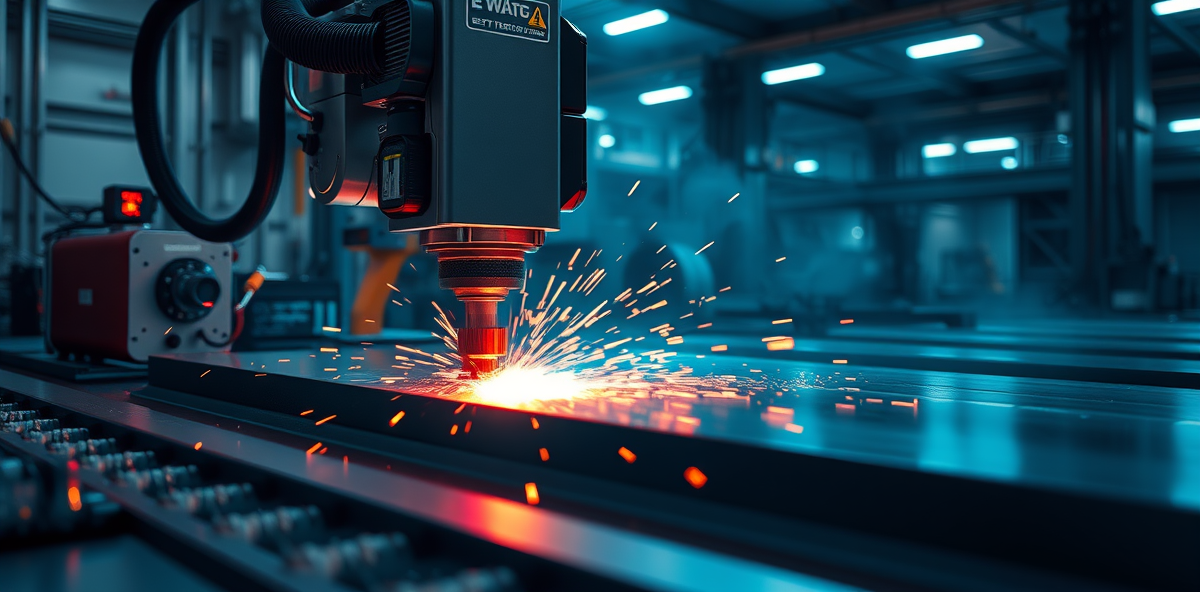
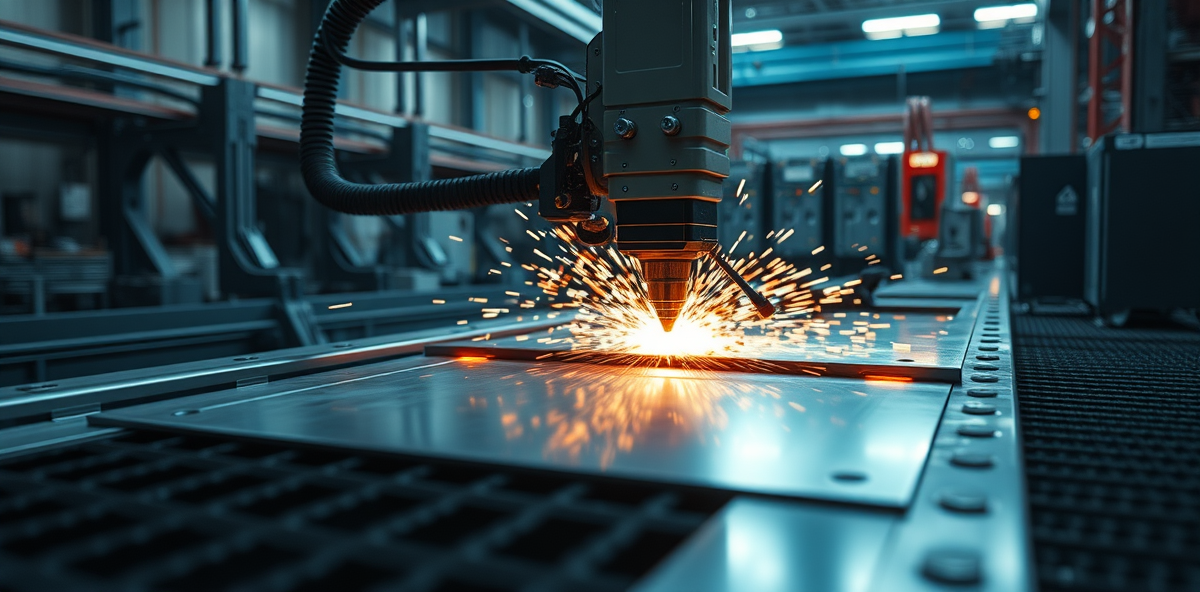
The cutting head, a marvel of engineering, focuses this intense beam onto the material surface, melting or vaporizing it with extreme precision. Essential components like the laser source, beam delivery system, cutting head with its lenses and nozzles, the chiller for temperature control, and the dust collection system all work in harmony. Each of these components plays a critical role in the overall performance and cutting quality, and each requires specific attention during maintenance. Understanding these interdependencies is the first step toward effective laser cutting maintenance routine implementation.
The Indispensable Daily Laser Cutting Machine Maintenance Routine
Implementing a rigorous daily laser cutting maintenance routine is not merely a recommendation; it is a critical operational imperative for any manufacturing facility running a laser cutting machine. These routine checks and cleaning procedures are designed to identify potential issues before they escalate into costly breakdowns, ensuring consistent cut quality and extending the lifespan of your valuable equipment. Adhering to these steps will significantly reduce unplanned downtime and maintain the high performance standards expected from advanced laser cutting machines, particularly those involved in demanding metal laser cutting applications.
Pre-Operation Checks
- Visual Inspection of Cables and Hoses: Before powering up, conduct a thorough visual inspection of all external cables and hoses connected to the laser cutting machine. Look for any signs of wear, cuts, kinks, or leaks. Damaged cables can lead to electrical faults, while compromised hoses can affect gas delivery or cooling, impacting performance and safety.
- Verify Assist Gas Pressure: Confirm that the pressures for your assist gases (oxygen, nitrogen, or compressed air) are within the recommended range. Incorrect gas pressure can lead to poor cut quality, dross formation, and increased material waste, especially critical during metal laser cutting processes. Check the pressure gauges on the gas cylinders and the machine’s control panel.
- Check Chiller Water Level and Temperature: The chiller is vital for cooling the laser source and other optical components. Ensure the water level in the chiller reservoir is adequate and that the circulating water is at the optimal temperature specified by the manufacturer. Low water levels or incorrect temperatures can cause the laser to overheat, leading to performance degradation or even permanent damage.
- Inspect the Work Area for Cleanliness: A clean work environment is paramount. Remove any debris, scraps, or dust from the machine bed and surrounding area. Accumulation of conductive dust can pose electrical hazards, while metal debris on the cutting bed can interfere with proper material positioning and lead to back-reflections that damage optics.
During Operation Monitoring
- Observe Cutting Quality: Throughout the day, periodically monitor the quality of the cuts. Look for consistent kerf width, smooth edges, and an absence of excessive dross or burrs. Any deviation from the expected cut quality could indicate an issue with the nozzle, lens, gas pressure, or beam alignment.
- Monitor for Error Messages: Pay close attention to the laser cutting machine‘s control panel for any warning or error messages. These indicators often provide early alerts to problems such as cooling system issues, gas pressure drops, or beam path obstructions, allowing for timely intervention.
Post-Operation Cleaning
- Nozzle and Ceramic Ring Inspection and Cleaning: After each shift or significant cutting job, remove and inspect the nozzle and the ceramic ring. Clean them meticulously to remove any spatter, slag, or residue. A blocked or damaged nozzle can significantly degrade cutting performance and even lead to damage to the protective lens. Replace if damaged.
- Protective Lens Inspection and Cleaning: The protective lens (or cover slide) shields the more expensive focusing lens from spatter. Carefully remove and inspect it for any signs of damage, scratches, or residue. Clean it with optical-grade wipes and solution if necessary. A dirty or damaged protective lens will absorb laser energy, reducing cutting power and potentially causing the lens to crack.
- Empty the Dust Collector: The dust collection system is crucial for maintaining air quality and preventing particulate build-up within the machine. Empty the dust collector bin daily, or as frequently as needed, depending on the volume of material processed. A full dust collector loses efficiency, allowing harmful particulates to accumulate.
- Clean the Machine Bed and Slats: Metal laser cutting generates significant amounts of slag and debris on the machine bed and support slats. Regularly clean these areas to ensure proper material support, prevent contamination, and avoid potential beam reflections. Worn or damaged slats should be replaced to maintain cutting accuracy.
Beyond Daily: Weekly and Monthly Maintenance Insights
While daily checks form the bedrock of a robust laser cutting maintenance routine, incorporating weekly and monthly tasks further enhances the lifespan and reliability of your laser cutting machine. These slightly more involved procedures ensure that critical components remain in optimal condition, tackling potential issues before they can impact daily operations or lead to significant repair costs.
Weekly Maintenance Tasks
- Cleaning Optical Lenses (Collimating and Focusing Lenses): Depending on the machine design and environment, the collimating and focusing lenses may require weekly inspection and cleaning. These are critical for shaping and directing the laser beam. Use only specific optical cleaning solutions and lint-free wipes, following the manufacturer’s guidelines precisely. Incorrect cleaning can permanently damage these sensitive components.
- Rail and Gear Lubrication: The motion system of a laser cutting machine relies on precision linear guides, rails, and gears. Weekly lubrication with the recommended grease ensures smooth, accurate movement of the cutting head. Neglecting this can lead to increased friction, wear, and reduced positioning accuracy, directly affecting cut quality.
- Dust Collector Filter Checks: Beyond emptying the bin, inspect the filters of your dust collection system weekly. Look for signs of clogging or damage. Clogged filters reduce suction efficiency, allowing more airborne particles into the machine’s environment, potentially contaminating optics. Clean or replace filters as per manufacturer recommendations.
Monthly Maintenance Tasks
- Beam Alignment Checks: For some fiber laser cutting systems, periodic beam alignment checks may be recommended, especially if cut quality issues persist. This complex procedure ensures the laser beam is precisely centered through the optical path to the nozzle. This often requires specialized tools and expertise.
- Electrical Connection Inspection: With the machine powered off and locked out, visually inspect all accessible electrical connections for tightness and signs of wear or corrosion. Loose connections can cause intermittent faults or even overheating, posing a fire risk.
- Software and Firmware Updates: Check with your laser cutting machine manufacturer for any available software or firmware updates. These updates often include performance enhancements, bug fixes, and new features that can improve machine efficiency and reliability.
Applications and Benefits of a Well-Maintained Laser Cutting Machine
The commitment to a comprehensive laser cutting maintenance routine extends far beyond mere upkeep; it directly translates into tangible benefits that impact every facet of a manufacturing operation. A diligently maintained laser cutting machine ensures consistent output, reduces operational costs, and enhances the overall safety and efficiency of the production line. This is particularly true for demanding applications in metal laser cutting, where precision and reliability are paramount.
Enhanced Performance and Precision
Regular maintenance ensures that all optical components are clean and aligned, and mechanical systems are smoothly operating. This directly results in a consistently focused laser beam and accurate motion, leading to superior cut quality. Manufacturers can expect clean edges, minimal dross, and tight tolerances, which are critical for high-precision components. This precision translates into reduced rework, less material waste, and a higher quality end product, strengthening your market position.
Extended Lifespan and Return on Investment (ROI)
Preventative maintenance mitigates wear and tear on critical and expensive components. By addressing minor issues promptly, you prevent them from escalating into major failures that require costly repairs or complete component replacements. This proactive approach significantly extends the operational lifespan of your laser cutting machine, maximizing the return on your initial capital investment and reducing the total cost of ownership over time. For instance, maintaining the chiller and optics prevents premature aging of the fiber laser source itself.
Improved Safety and Operational Efficiency
A well-maintained laser cutting machine is a safer machine. Regular checks on electrical connections, gas lines, and safety interlocks ensure that the equipment operates within safe parameters, minimizing risks to personnel. Furthermore, predictable operation means less unplanned downtime. When your machine is running reliably, production schedules are met more consistently, leading to improved overall operational efficiency and higher throughput.
Versatility Across Materials (Metal Laser Cutting)
Fiber laser cutting technology is renowned for its ability to cut a wide array of metals, including stainless steel, carbon steel, aluminum, copper, and brass. Proper maintenance ensures that the machine’s capabilities are always at their peak, allowing for seamless transitions between different materials and thicknesses. Clean optics, correctly set gas pressures, and a well-maintained cutting head are crucial for achieving optimal results across this diverse range of metal laser cutting applications, guaranteeing the machine’s versatility is fully utilized.
Choosing the Right Laser Cutting Machine and Maintenance Support
The decision to invest in a laser cutting machine is significant, and choosing the right equipment goes hand-in-hand with considering its long-term maintainability and the support provided by the manufacturer. When evaluating options, look for machines designed with ease of maintenance in mind—those with accessible components, clear diagnostic systems, and robust build quality. A machine that simplifies daily checks and routine servicing can significantly reduce operational headaches and maintenance costs over its lifetime. It’s not just about the upfront cost, but the entire lifecycle value. Furthermore, comprehensive training on the laser cutting maintenance routine provided by the supplier is invaluable, empowering your team to perform essential tasks effectively and safely.
Why Lemon Laser for Your Laser Cutting Machine Needs?
At Lemon Laser, we understand that a laser cutting machine is a critical investment for your business. Our commitment extends beyond providing state-of-the-art fiber laser cutting technology; we focus on delivering solutions that are not only high-performing but also designed for reliability and ease of maintenance. Our machines are engineered with user-friendly interfaces and accessible components, simplifying your daily laser cutting maintenance routine. We provide extensive training and readily available technical support, ensuring your team has the knowledge and resources to keep your Lemon Laser laser cutting machine operating at its peak efficiency. With Lemon Laser, you gain a partner dedicated to maximizing your productivity and minimizing downtime, whether you are looking for a laser cutting machine or a laser welding machine.
The Future of Laser Technology and Maintenance
The landscape of laser technology in manufacturing is continuously evolving. The future promises even greater integration of automation and smart technologies into maintenance practices. We anticipate increased use of predictive maintenance, leveraging sensors and AI to monitor machine health in real-time and anticipate potential failures before they occur. This will further optimize the laser cutting maintenance routine, shifting from reactive repairs to proactive, data-driven interventions. As fiber laser cutting technology advances, so too will the sophistication of its upkeep, ensuring even higher levels of efficiency and reliability for metal laser cutting applications.
Conclusion
The daily maintenance guide for a laser cutting machine is not just a checklist; it’s a strategic imperative for any manufacturing operation. By diligently adhering to a comprehensive laser cutting maintenance routine, from pre-operation checks to post-operation cleaning and beyond, you ensure your equipment delivers consistent, high-quality results. This proactive approach safeguards your investment, extends machine lifespan, enhances operational safety, and ultimately drives greater profitability.
Embrace these practices to unlock the full potential of your fiber laser cutting system, ensuring its reliability and precision for years to come. For robust and dependable laser cutting machines backed by exceptional support, consider Lemon Laser, your partner in manufacturing excellence. Prioritize maintenance today for uninterrupted productivity tomorrow.