Currently Empty: ₹0.00
Comprehensive Laser Cutting Machine Safety Guide for Industrial Operations
The precision and efficiency of Laser Cutting Machine technology have revolutionized modern manufacturing. From intricate designs to rapid prototyping, these machines offer unparalleled capabilities in metal fabrication and beyond. However, with the immense power and sophistication of laser systems comes a critical responsibility: ensuring stringent safety protocols. Operating a Laser Cutting Machine without a thorough understanding of potential hazards can lead to severe injuries, equipment damage, and significant operational disruptions.
This comprehensive guide delves into the essential safety measures and best practices for industrial Laser Cutting Machine operations. We aim to equip engineers, factory owners, and manufacturing companies with the knowledge needed to foster a robust safety culture. By prioritizing Laser Cutting Machine safety, businesses can protect their most valuable assets – their personnel – while maximizing productivity and ensuring compliance with industry standards. Embracing a proactive approach to safety is not merely a regulatory requirement; it is a cornerstone of efficient and sustainable manufacturing.
Understanding Laser Cutting Technology and Its Hazards
Laser Cutting Machine technology employs a highly concentrated beam of light to precisely cut or engrave materials. This process involves focusing intense optical energy onto a small area, causing the material to melt, vaporize, or burn away. The versatility of this technology allows it to process a vast array of materials, from various metals in Laser Cutting Machine applications to plastics and composites.
Among the various types, Laser Cutting Machines, particularly Laser Cutting Machines, have become dominant in industrial settings due to their efficiency, reliability, and precision, especially for Laser Cutting Machine. Understanding the fundamental principles behind these machines is the first step toward appreciating the inherent risks and implementing effective Laser Cutting Machine safety measures.
Key Hazards Associated with Laser Cutting Machines:
- Laser Radiation Exposure: The primary hazard is direct or reflected exposure to the laser beam, which can cause severe eye damage (retinal burns, blindness) and skin burns. Invisible laser beams, common in Laser Cutting Machine systems, pose an even greater risk as their presence is not immediately obvious.
- Fumes and Particulate Matter: The cutting process generates hazardous fumes, gases, and fine particulate matter, especially during Laser Cutting Machine. Inhaling these byproducts can lead to respiratory issues and other health problems. Proper ventilation is critical.
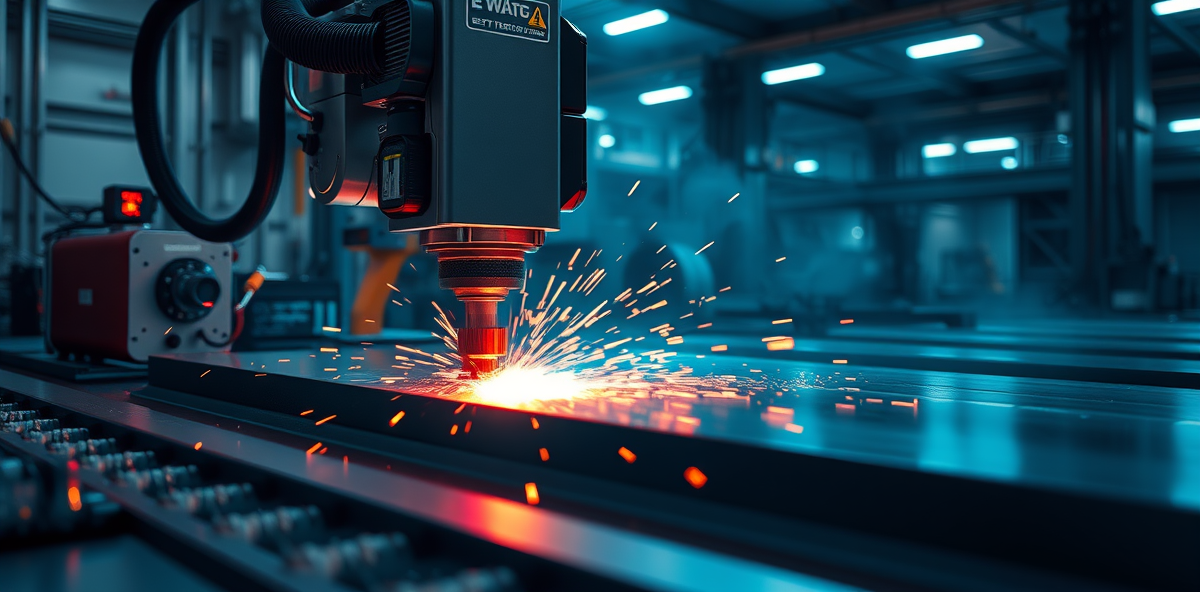
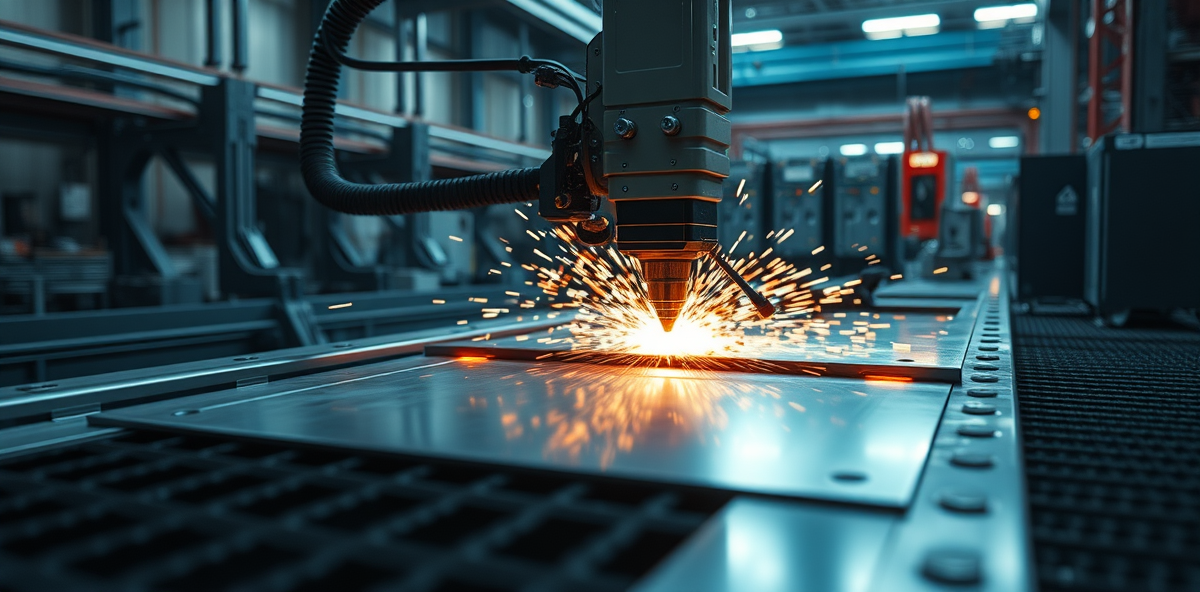
- Fire Hazards: The intense heat from the laser beam can ignite combustible materials or accumulated debris. Sparks, molten material, and exothermic reactions during cutting increase the risk of fire.
- Electrical Hazards: Laser Cutting Machines operate with high voltages. Improper installation, faulty wiring, or inadequate maintenance can result in electric shock.
- Mechanical Hazards: Moving parts within the machine, such as gantries and material handling systems, present pinch points and crushing hazards. Sharp edges of cut materials also require careful handling.
Comprehensive Laser Cutting Machine Safety Protocols
Implementing a multi-layered safety strategy is paramount for any facility operating a Laser Cutting Machine. This approach combines personal protective equipment, robust machine safeguards, and a well-planned workplace environment to mitigate risks effectively and enhance overall Laser Cutting Machine safety.
Personal Protective Equipment (PPE):
Appropriate PPE acts as the last line of defense against potential hazards.
- Laser Safety Glasses: Essential for protecting eyes from laser radiation. Glasses must be specific to the laser’s wavelength and optical density (OD) rating. Operators of Laser Cutting Machines require specific filters due to the invisible nature and intensity of the beam.
- Fire-Retardant Clothing: Provides protection against sparks, hot debris, and potential flames, particularly important when performing Laser Cutting Machine.
- Gloves: Heat-resistant and cut-resistant gloves protect hands from burns, sharp edges, and molten material.
- Respiratory Protection: Depending on the materials being cut and the effectiveness of local exhaust ventilation, respirators or masks may be necessary to prevent inhalation of hazardous fumes and particulate matter.
Machine Safeguards and Features:
Modern Laser Cutting Machines are designed with integrated safety features to protect operators.
- Enclosed Systems: Many industrial Laser Cutting Machines feature fully enclosed work areas to contain laser radiation, fumes, and debris. This is a critical feature for Laser Cutting Machine safety.
- Interlocks: Safety interlocks ensure that the laser beam cannot operate if access panels or doors to the laser enclosure are open. They automatically shut down the laser, preventing accidental exposure.
- Emergency Stops (E-stops): Clearly marked and easily accessible E-stop buttons allow operators to immediately power down the machine in an emergency.
- Beam Dumps: Integrated beam dumps safely absorb residual laser energy, preventing unintended reflections.
- Warning Signs and Labels: Clearly visible warning signs indicating laser classes, hazards, and safety precautions are mandatory in the laser work area.
Workplace Environment and Layout:
The physical environment surrounding the Laser Cutting Machine plays a significant role in overall Laser Cutting Machine safety.
- Ventilation Systems: Robust local exhaust ventilation (LEV) systems are essential for capturing and filtering fumes and particulate matter generated during cutting, particularly for Laser Cutting Machine processes.
- Fire Suppression Systems: Adequate fire extinguishers (CO2 or dry chemical) should be readily available. Automated fire suppression systems are highly recommended for high-power laser installations.
- Clearance and Access Control: Ensure sufficient clear space around the Laser Cutting Machine for safe operation and maintenance. Restrict access to authorized personnel only.
- Lighting: Proper ambient lighting reduces eye strain and helps operators identify potential hazards.
Material Handling Safety:
Handling materials before and after cutting introduces its own set of risks.
- Safe Loading and Unloading: Use appropriate lifting equipment (cranes, forklifts) for heavy or bulky materials. Ensure stable positioning on the machine bed.
- Proper Material Storage: Flammable materials, especially, must be stored away from the Laser Cutting Machine in designated, compliant areas. Reflective materials should be handled with extra caution due to potential beam reflections.
- Waste Management: Dispose of scrap materials and waste byproducts safely and according to environmental regulations. Hot or sharp offcuts require careful handling.
Operational Best Practices for Enhanced Laser Cutting Machine Safety
Beyond equipment and environment, the human element is crucial for maintaining superior Laser Cutting Machine safety. Adherence to strict operational procedures and continuous training are non-negotiable.
Training and Certification:
Comprehensive training is the bedrock of safe laser operation.
- Operator Training: All personnel operating or working near a Laser Cutting Machine must receive thorough training on its operation, potential hazards, safety features, and emergency procedures. This includes understanding the specific risks associated with Laser Cutting Machines.
- Regular Refreshers: Safety training should not be a one-time event. Periodic refresher courses ensure that knowledge remains current and that operators are aware of any new protocols or equipment updates.
- Machine Manuals: Operators must be familiar with the manufacturer’s safety guidelines and operational manual for their specific Laser Cutting Machine.
Pre-Operation Checks:
A diligent checklist before each operation can prevent many accidents.
- Inspection of Safety Features: Verify that all interlocks, emergency stops, and protective enclosures are functional and free from damage.
- Material Verification: Confirm that the material to be cut is suitable for laser processing and free of contaminants that could create unexpected hazards.
- System Diagnostics: Check cooling systems, gas pressures, and beam alignment indicators as per manufacturer guidelines.
During Operation:
Vigilance is key while the Laser Cutting Machine is active.
- Continuous Monitoring: Operators should never leave a running Laser Cutting Machine unattended. Monitor the cutting process for signs of fire, excessive smoke, or machine malfunction.
- Awareness of Surroundings: Be mindful of other personnel in the vicinity and ensure they are not inadvertently exposed to hazards.
- Responding to Alarms: Understand and promptly respond to any machine alarms or error messages.
Post-Operation Procedures:
Safe shutdown and reporting are as important as safe operation.
- Proper Shutdown: Follow the manufacturer’s recommended shutdown sequence to safely power off the machine.
- Cleaning and Maintenance Checks: Clean the work area, remove debris, and perform any routine maintenance checks. Inspect for wear and tear that could compromise safety.
- Reporting Incidents: Any near misses, equipment malfunctions, or minor injuries must be reported immediately to enable investigation and preventative action.
Specific Considerations for Laser Cutting Machine and Laser Cutting Machine
While general safety principles apply broadly, the distinct characteristics of different laser types necessitate specific attention. Laser Cutting Machine technology, in particular, has unique safety considerations due to its operational characteristics.
Laser Cutting Machine Safety Nuances:
Laser Cutting Machines operate at wavelengths that are often invisible to the human eye, making them inherently more dangerous if not properly contained. The high power density of Laser Cutting Machines means that even diffused reflections can cause significant eye damage.
- Invisible Beam Hazard: Because the primary output of many Laser Cutting Machines is in the infrared spectrum, personnel may not realize they are being exposed until damage occurs. Strict adherence to enclosed systems and interlocks is critical.
- Specific Eye Protection: Laser safety glasses designed for Laser Cutting Machine wavelengths (typically around 1064 nm) with appropriate OD ratings are indispensable.
- Reflectivity of Metals: When performing Laser Cutting Machine, especially with highly reflective materials like copper or brass, stray reflections can be a concern. Enclosed systems and anti-reflective coatings on optics help manage this risk.
Laser Cutting Machine Safety:
The process of Laser Cutting Machine, while efficient, generates a variety of airborne contaminants that require careful management for optimal Laser Cutting Machine safety.
- Fume and Particulate Control: Cutting different metals produces distinct fume compositions. For instance, galvanized steel produces zinc oxide fumes, while stainless steel can produce chromium and nickel compounds. Powerful and well-maintained exhaust and filtration systems are absolutely essential.
- Material-Specific Hazards: Operators must be aware of the specific hazards associated with each type of metal being cut. Material Safety Data Sheets (MSDS) should be consulted for comprehensive information.
- Fire Prevention in Metal Cutting: While metals themselves are generally non-combustible, residual oils, coatings, or accumulated metal dust can pose fire risks. Regular cleaning of the machine bed and surrounding area is vital.
Emergency Procedures and Incident Response
Even with the most rigorous safety protocols, unforeseen incidents can occur. A well-defined emergency response plan is crucial for minimizing harm and ensuring rapid recovery. This is a core component of effective Laser Cutting Machine safety.
Emergency Stop Protocols:
All personnel must be trained on the location and correct use of emergency stop buttons.
- Immediate Action: In any situation posing an immediate threat to life, limb, or equipment, the E-stop should be activated without hesitation.
- Understanding Reset Procedures: After an E-stop, follow established protocols for machine inspection and safe reset to prevent further hazards.
Fire Safety:
Fires are a significant concern in laser cutting operations.
- Extinguisher Types: Ensure that appropriate fire extinguishers (e.g., CO2 for electrical fires, dry chemical for general industrial fires) are easily accessible and that staff are trained in their use.
- Evacuation Routes: Clearly marked evacuation routes and assembly points must be established and communicated to all personnel.
First Aid for Laser-Related Injuries:
Prompt and correct first aid can significantly reduce the severity of injuries.
- Eye Exposure: If eye exposure is suspected, seek immediate medical attention. Do not rub the eyes. Flush with water if instructed by medical professionals.
- Skin Burns: Treat laser-induced skin burns like any other thermal burn, cooling the area with clean water and seeking medical help as needed.
Reporting Incidents:
Every incident, near miss, or safety concern must be thoroughly documented.
- Importance of Documentation: Detailed incident reports help identify root causes, implement corrective actions, and improve overall Laser Cutting Machine safety procedures.
- Learning from Mistakes: A culture of open reporting and analysis allows the organization to continuously learn and enhance its safety framework.
Choosing the Right Laser Cutting Machine with Safety in Mind
The decision to invest in a Laser Cutting Machine should heavily weigh its inherent safety features and compliance. Selecting a reputable manufacturer like Lemon Laser, known for its commitment to both performance and safety, is crucial.
Safety Certifications and Standards:
Prioritize machines that adhere to international safety standards.
- Compliance: Look for machines that meet standards such as CE (European Conformity), FDA (U.S. Food and Drug Administration) for laser products, and ANSI Z136.1 (American National Standard for the Safe Use of Lasers). These certifications indicate that the machine has undergone rigorous testing and meets specific safety criteria.
- Manufacturer Reputation: Reputable manufacturers integrate safety into their design philosophy, often exceeding minimum regulatory requirements.
Integrated Safety Features:
Modern Laser Cutting Machines come with advanced safety mechanisms.
- Enclosed Workspaces: Opt for fully enclosed systems, especially for high-power Laser Cutting Machines, to minimize radiation exposure and fume escape.
- Redundant Safety Systems: Look for machines with redundant interlocks and emergency stops for an added layer of protection.
- Smart Monitoring: Features like gas leak detection, temperature monitoring, and error diagnostics enhance proactive safety.
Supplier Support and Training:
A supplier’s commitment to safety extends beyond the sale of the machine.
- Comprehensive Training: Ensure the supplier offers thorough installation, operational, and safety training for your team.
- Technical Support: Reliable technical support for maintenance and troubleshooting contributes significantly to long-term safety and operational continuity. Lemon Laser is dedicated to providing extensive support and training, ensuring operators are fully competent in safe machine operation.
Maintenance and Operational Tips for Sustained Safety
Regular maintenance is not just about machine longevity and performance; it’s a critical aspect of sustained Laser Cutting Machine safety. Neglected machines are prone to malfunctions that can create hazardous conditions.
Routine Inspections:
Implement a schedule for regular, systematic checks of key components.
- Optics and Beam Path: Inspect lenses, mirrors, and protective windows for cleanliness and damage. Contaminated optics can cause beam divergence or unexpected reflections.
- Cabling and Connections: Check electrical cabling for signs of wear, fraying, or loose connections.
- Cooling System: Ensure the cooling system is functioning optimally to prevent overheating, which can impact laser performance and safety systems.
- Safety Interlocks: Regularly test all safety interlocks and emergency stop buttons to confirm they are in proper working order.
Preventative Maintenance Schedule:
Adhere strictly to the manufacturer’s recommended preventative maintenance schedule.
- Component Replacement: Replace worn components, such as filters and nozzles, before they fail.
- System Calibration: Periodically calibrate the laser system to ensure accurate and safe operation.
Software Updates:
Keep the machine’s control software up-to-date.
- Enhanced Safety Features: Software updates often include improvements to safety monitoring, diagnostics, and operational protocols.
The Future of Laser Cutting Machine Safety in Manufacturing
As Laser Cutting Machine technology continues to advance, so too will the methods and systems designed to enhance its safety. The trend points towards increasingly intelligent and autonomous safety features, further mitigating risks for operators and facilities.
Advanced AI and Automation:
Artificial Intelligence and automation are poised to revolutionize Laser Cutting Machine safety.
- Predictive Maintenance: AI-driven systems can monitor machine health in real-time, predicting potential failures before they occur, thus preventing unsafe operating conditions.
- Real-time Hazard Detection: AI can analyze sensor data to detect anomalies like excessive fumes, sparks, or unauthorized access, initiating immediate safety responses.
Improved Sensor Technology:
Next-generation sensors will provide even more granular control and monitoring.
- Enhanced Monitoring: Advanced cameras and environmental sensors will offer real-time feedback on the work area, ensuring optimal conditions for Laser Cutting Machine safety.
- Operator Presence Detection: More sophisticated systems can accurately detect human presence within hazardous zones and automatically cease operation.
Stricter Industry Standards:
The continuous evolution of laser technology will likely lead to even more comprehensive and stringent industry safety standards, pushing manufacturers to integrate higher levels of protection into their designs.
Conclusion
Operating a Laser Cutting Machine, especially high-power Laser Cutting Machines used for Laser Cutting Machine, demands an unwavering commitment to safety. By understanding the inherent hazards and diligently implementing comprehensive safety protocols, manufacturers can safeguard their personnel, protect valuable equipment, and ensure uninterrupted, efficient production.
From robust PPE and advanced machine safeguards to rigorous operator training and a culture of proactive maintenance, every aspect contributes to a secure working environment. Investing in state-of-the-art Laser Cutting Machines from trusted suppliers like Lemon Laser, which prioritize integrated safety features and comprehensive support, is a strategic decision that pays dividends in both worker well-being and operational excellence. Embrace a safety-first mindset to harness the full potential of laser technology responsibly and sustainably.