Currently Empty: ₹0.00
Introduction: The Precision Edge of Laser Cutting in Automotive Manufacturing
The automotive industry operates at the forefront of innovation, constantly seeking advanced manufacturing techniques to enhance vehicle performance, safety, and aesthetic appeal. In this relentless pursuit of excellence, laser technology has emerged as a game-changer, fundamentally transforming how vehicle components are produced. Among these advancements, the Laser Cutting Machine stands out as an indispensable tool.
Modern automotive manufacturing demands unparalleled precision, speed, and flexibility to meet stringent quality standards and rapid market changes. Laser Cutting Machine technology offers just that, enabling manufacturers to process a wide array of materials with micron-level accuracy. This article delves into the intricate ways laser cutting machines are employed across various automotive applications, highlighting their benefits and the future trajectory of this transformative technology.
Unpacking Laser Cutting Technology for Automotive Applications
What is Fiber Laser Technology?
At the heart of many advanced Laser Cutting Machine systems in the automotive sector lies fiber laser technology. Fiber lasers utilize optical fibers doped with rare-earth elements as the gain medium, which is then pumped by diode lasers. This configuration produces a highly focused and high-quality laser beam, ideal for industrial cutting applications.
The inherent advantages of fiber laser technology include superior beam quality, high energy efficiency, and a robust, compact design. These characteristics make fiber laser cutting systems exceptionally reliable and cost-effective for continuous operation in demanding automotive production environments, processing everything from thin foils to thick structural steels with remarkable speed and precision.
The Mechanics of Metal Laser Cutting
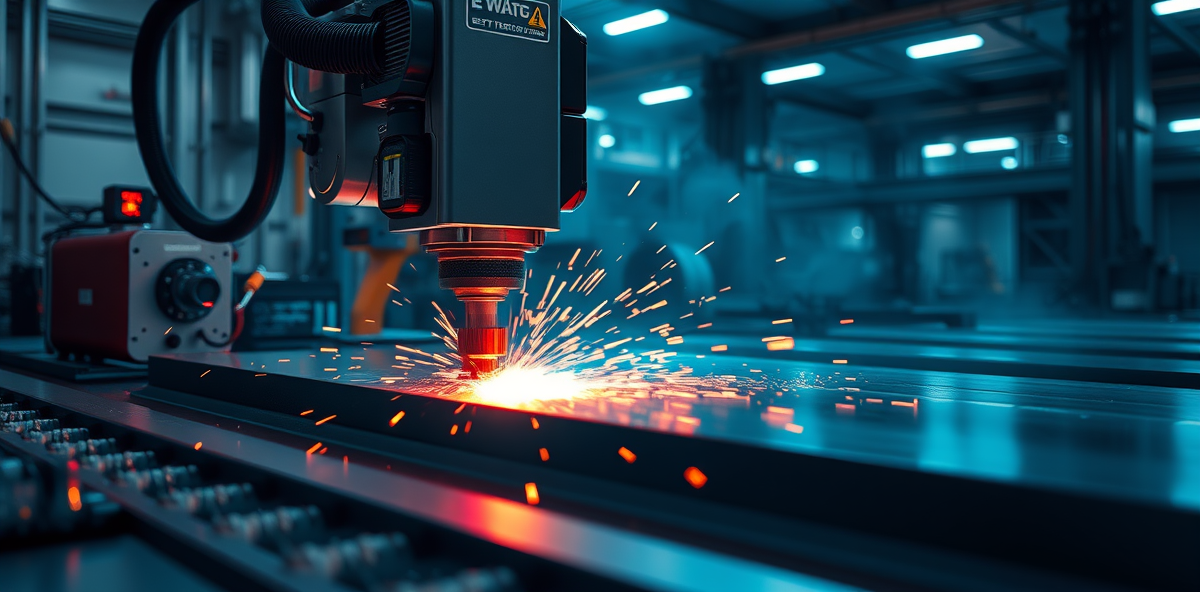
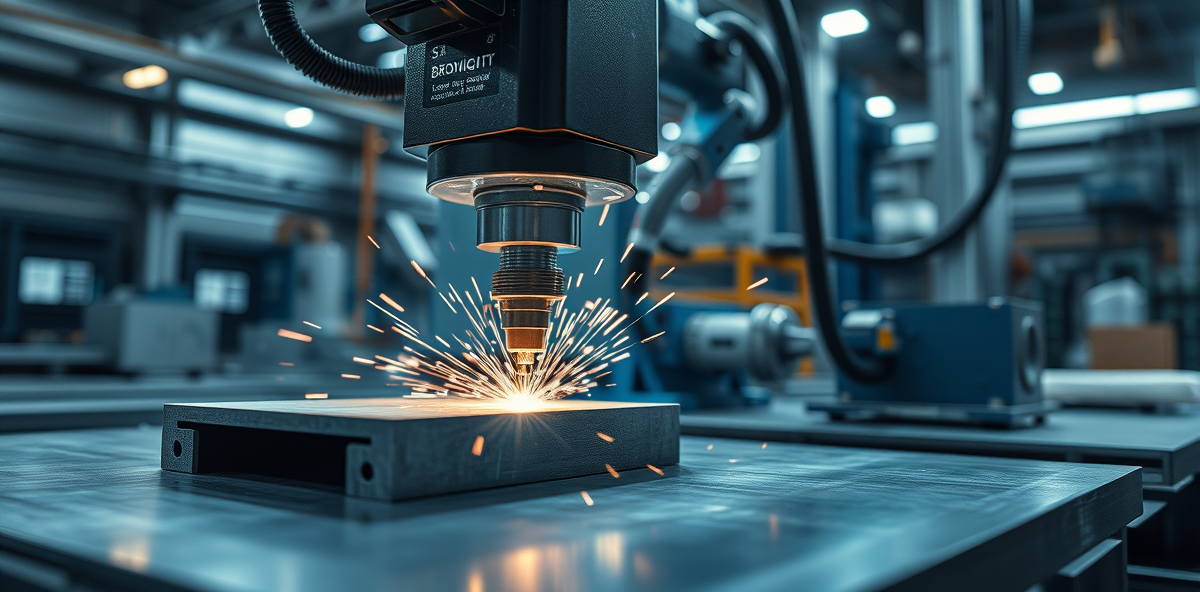
Metal laser cutting involves directing a high-power laser beam onto a material surface, heating it to its melting or vaporization point. A co-axial assist gas, such as oxygen, nitrogen, or compressed air, is then used to blow away the molten material, creating a clean, narrow cut kerf. This non-contact process ensures minimal material distortion and heat-affected zones.
For the automotive industry, where a wide range of metals like mild steel, stainless steel, aluminum, and high-strength low-alloy (HSLA) steels are used, metal laser cutting offers unparalleled versatility. The ability to precisely control the laser’s parameters allows for intricate designs and complex geometries to be cut with consistent quality, a critical factor for automotive component fit and function.
Diverse Applications of Laser Cutting Machines in the Automotive Industry
Prototyping and R&D
In the crucial stages of research and development, automotive engineers rely on Laser Cutting Machine technology for rapid prototyping. The ability to quickly produce accurate mock-ups and test new designs significantly accelerates the development cycle. This flexibility allows for numerous design iterations without the expense and time constraints of traditional tooling.
Complex experimental parts, brackets, and fixtures can be precisely cut from various sheet metals, enabling quick validation of concepts and functional testing. This speed to market is a major competitive advantage in the fast-evolving automotive landscape.
Body-in-White (BIW) Manufacturing
The Body-in-White, comprising the vehicle’s unpainted car body, is a prime area for Laser Cutting Machine application. Laser cutting machines are used to create precise openings, trim edges, and cut complex shapes in hydroformed or stamped panels.
Utilizing high-power fiber laser cutting, manufacturers can process advanced high-strength steels (AHSS) and ultra-high-strength steels (UHSS) that are crucial for vehicle safety and lightweighting. The precision of laser cutting minimizes material waste and ensures perfect panel alignment for subsequent welding processes.
Interior Components and Trim
Beyond metal, Laser Cutting Machine systems are extensively used for cutting non-metal materials for vehicle interiors. This includes fabrics, leather, plastics, composites, and foams for seats, dashboards, door panels, and headliners.
Laser cutting provides clean edges, intricate patterns, and consistent quality, eliminating fraying and reducing the need for post-processing. The flexibility to cut diverse materials with a single machine streamlines production and enhances design possibilities for premium interior finishes.
Chassis and Structural Parts
Components like chassis frames, crossmembers, and suspension brackets demand robust and precise manufacturing. Laser Cutting Machine systems are employed to cut thick steel and aluminum plates with high accuracy, ensuring structural integrity and proper fit-up.
The superior beam quality of fiber laser cutting allows for cutting thicker materials with faster speeds and cleaner cuts compared to traditional methods. This is vital for safety-critical components that must withstand significant stresses and impacts.
Powertrain Components
Precision is paramount in powertrain manufacturing, where even minute inaccuracies can impact performance. Laser Cutting Machine technology is used to cut intricate components for engines, transmissions, and exhaust systems, including gaskets, heat shields, and specialized brackets.
The ability to achieve extremely tight tolerances and smooth finishes with metal laser cutting reduces machining time and improves the overall quality and efficiency of powertrain assemblies. This contributes directly to improved vehicle performance and fuel efficiency.
Exhaust Systems
The complex geometries of modern exhaust systems, designed for optimal flow and emissions control, are perfectly suited for laser cutting. Laser Cutting Machine systems can precisely cut and trim pipes, baffles, and mounting brackets from stainless steel and other heat-resistant alloys.
The non-contact nature of the cutting process prevents material deformation, which is crucial for maintaining the precise dimensions required for exhaust component fitment and acoustic performance. Automated laser cutting also significantly reduces production time for these intricate parts.
Stamping Die Manufacturing
While traditional stamping remains a cornerstone of automotive production, Laser Cutting Machine technology plays a role in creating the stamping dies themselves. Laser cutting can be used to produce prototype dies or specialized die components with high precision, speeding up the tooling development process.
For custom or low-volume production, laser cut components can even bypass the need for expensive stamping dies altogether, offering a cost-effective solution for specialized vehicle parts.
Electric Vehicle (EV) Battery Production
The burgeoning electric vehicle market presents new demands for precision manufacturing, especially in battery production. Laser Cutting Machine systems are critical for cutting delicate battery foils, busbars, and cell components with high accuracy and minimal heat input.
The precision and clean cuts offered by fiber laser cutting are essential for ensuring the integrity and performance of battery packs, where thermal management and electrical conductivity are crucial. This application area is rapidly expanding as EV adoption grows.
Unrivaled Benefits of Laser Cutting in Automotive Production
Superior Precision and Accuracy
One of the most significant advantages of using a Laser Cutting Machine in automotive manufacturing is its unparalleled precision. Laser technology can achieve cutting tolerances down to a few microns, ensuring perfect fit-up of components and reducing assembly issues. This level of accuracy is critical for safety-related parts and aesthetic components alike.
The narrow kerf width and minimal heat-affected zone contribute to parts with excellent dimensional stability, reducing the need for costly secondary finishing operations.
Enhanced Speed and Productivity
Fiber laser cutting machines offer exceptionally high cutting speeds, particularly for thinner gauge materials common in automotive body panels and interior components. This translates directly into increased throughput and higher production volumes.
With advanced automation and multi-axis capabilities, laser systems can operate continuously, minimizing downtime and maximizing productivity on the production floor.
Material Versatility and Reduced Waste
Laser Cutting Machine technology is incredibly versatile, capable of processing a vast range of materials including various types of steel, aluminum, copper, brass, and non-metals like plastics, wood, and composites. This adaptability makes it suitable for diverse automotive applications from structural frames to interior trim.
Furthermore, precise programming and nesting software optimize material utilization, significantly reducing scrap rates. This efficient use of raw materials translates into substantial cost savings and a more sustainable manufacturing process, especially with expensive alloys.
Flexibility for Complex Geometries
The non-contact nature of laser cutting allows for the creation of incredibly intricate and complex geometries that would be challenging or impossible with traditional mechanical cutting methods. Automotive designers can push creative boundaries, knowing that laser technology can bring their most elaborate designs to life.
Changes in part design can be implemented rapidly by simply updating the CAD/CAM program, eliminating the need for expensive and time-consuming tooling modifications. This flexibility is vital for producing diverse vehicle models and limited-edition runs.
Cost-Effectiveness and Operational Efficiency
While the initial investment in a Laser Cutting Machine can be significant, the long-term operational cost-effectiveness is substantial. Reduced material waste, faster production cycles, lower labor costs through automation, and minimal post-processing needs contribute to a lower overall cost per part.
Modern fiber laser cutting systems also boast high energy efficiency, consuming less power compared to older laser technologies, further enhancing their economic appeal for manufacturers.
Improved Safety and Environmental Impact
Laser cutting is a non-contact process performed in a contained environment, significantly reducing the risk of operator injury compared to manual cutting or machining methods. Fumes are typically extracted and filtered, contributing to a cleaner and safer working atmosphere.
From an environmental perspective, the reduced material waste, energy efficiency of fiber laser cutting, and elimination of cutting oils or coolants make it a more eco-friendly manufacturing choice. This aligns with the automotive industry’s growing commitment to sustainable practices.
Choosing the Optimal Laser Cutting Equipment for Automotive Manufacturing
Assessing Your Production Needs
Selecting the right Laser Cutting Machine for automotive applications requires a thorough assessment of specific production needs. Key factors include the types and thicknesses of materials to be processed (e.g., steel, aluminum, composites), the required production volume, the level of precision needed, and the complexity of the part geometries.
Understanding whether you require 2D or 3D cutting capabilities, and the integration level with existing automation systems, will guide your decision towards a suitable laser system.
Key Features to Look For
When evaluating laser cutting machines, consider the laser source power, as this dictates cutting speed and maximum material thickness. Look for robust construction, a large enough cutting area to accommodate your largest components, and advanced control software that simplifies operation and programming.
Features like automatic nozzle changing, sheet loading/unloading systems, and integrated vision systems can significantly enhance productivity and accuracy, especially in high-volume automotive production lines. The beam quality of the fiber laser cutting system is also paramount for achieving fine details and smooth cuts.
The Importance of After-Sales Support and Training
A reliable Laser Cutting Machine is only as good as the support behind it. Choose a supplier with a strong reputation for comprehensive after-sales service, including readily available spare parts, expert technical assistance, and preventative maintenance programs.
Thorough training for operators and maintenance staff is also crucial to maximize machine uptime and ensure safe, efficient operation. A knowledgeable workforce can troubleshoot minor issues and optimize machine performance.
Why Lemon Laser Stands Out
Lemon Laser is dedicated to providing cutting-edge laser solutions that meet the rigorous demands of the automotive industry. Our Laser Cutting Machine offerings are engineered for precision, speed, and reliability, integrating the latest fiber laser cutting technology. We understand the need for robust equipment that can handle continuous, high-volume production while maintaining micron-level accuracy.
With a focus on innovation, quality construction, and exceptional customer support, Lemon Laser empowers automotive manufacturers to achieve their production goals, enhance efficiency, and stay ahead in a competitive market. Our commitment extends beyond the sale, ensuring our partners benefit from optimized performance and longevity of their investment.
Essential Maintenance and Operational Tips for Laser Cutting Machines
Regular Cleaning and Inspection
Consistent performance of a Laser Cutting Machine hinges on regular cleaning and inspection. This includes meticulously cleaning optics, protective windows, and nozzles to prevent contamination that can degrade beam quality and cutting efficiency. Inspecting cables, hoses, and mechanical components for wear and tear can preempt costly breakdowns.
Adhering to a strict cleaning schedule, as recommended by the manufacturer, is paramount for maintaining optimal machine health and extending the lifespan of critical components.
Software Updates and Calibration
Keeping the machine’s control software updated is vital for accessing the latest features, performance enhancements, and bug fixes. Regular calibration of laser parameters, focusing systems, and motion control ensures that the machine consistently delivers precise and accurate cuts.
These proactive measures help maintain the high standards of quality required in automotive manufacturing and prevent deviations in part specifications.
Operator Training and Safety Protocols
Well-trained operators are crucial for maximizing the efficiency and safety of a Laser Cutting Machine. Comprehensive training should cover machine operation, programming, routine maintenance, and emergency procedures. Emphasizing safety protocols, including proper PPE usage and understanding laser hazards, protects personnel and equipment.
Ongoing training and refresher courses ensure that operators remain proficient and adhere to best practices, contributing to a safe and productive work environment.
Consumable Management
Managing consumables such as assist gases (nitrogen, oxygen), nozzles, and lenses effectively is key to uninterrupted operation. Ensure a consistent supply of high-purity gases for optimal cut quality. Regularly inspect and replace nozzles and lenses as they wear, as these components directly impact the laser beam’s focus and cutting performance.
Proactive inventory management of these critical items prevents production delays and ensures consistent output quality.
The Future Landscape of Laser Technology in Automotive Manufacturing
Integration with Industry 4.0
The future of Laser Cutting Machine technology in the automotive industry is deeply intertwined with the principles of Industry 4.0. Integration with IoT, AI, and big data analytics will enable predictive maintenance, real-time process optimization, and enhanced automation.
Smart factories will see laser cutting systems communicating seamlessly with other manufacturing equipment, leading to highly efficient, flexible, and self-optimizing production lines. This will drive further gains in productivity and quality.
Advancements in Laser Sources and Capabilities
Continuous innovation in fiber laser technology promises even higher power levels, improved beam quality, and greater energy efficiency. Future laser cutting machines will be capable of processing thicker and more exotic materials at even faster speeds.
The development of specialized wavelengths and pulse durations will open new possibilities for processing advanced composites and highly reflective materials, further expanding the application scope of laser technology in automotive manufacturing.
The Role in Lightweighting and New Material Processing
As the automotive industry continues its drive towards lightweighting for improved fuel efficiency and reduced emissions, laser cutting will play an increasingly vital role. The ability to precisely cut new generations of advanced high-strength steels, aluminum alloys, and multi-material composites is crucial.
Laser technology will be key in enabling innovative vehicle designs that incorporate these materials, pushing the boundaries of performance and sustainability in future automobiles. This includes the precise cutting required for next-generation battery technologies in electric vehicles, where fiber laser cutting offers unique advantages.
Conclusion: Driving Automotive Innovation with Laser Cutting Technology
The integration of Laser Cutting Machine technology has profoundly impacted the automotive manufacturing landscape, offering an unparalleled combination of precision, speed, and versatility. From rapid prototyping and complex body-in-white structures to intricate interior components and advanced EV battery production, laser cutting has become an indispensable tool.
As the industry continues to evolve with demands for lighter vehicles, new materials, and smart factory integration, the role of fiber laser cutting systems will only grow. Embracing this advanced technology is not merely an upgrade; it is a strategic imperative for automotive manufacturers seeking to maintain a competitive edge, innovate rapidly, and produce the high-quality vehicles of tomorrow. Investing in a reliable Laser Cutting Machine is an investment in the future of automotive excellence.