
Currently Empty: ₹0.00
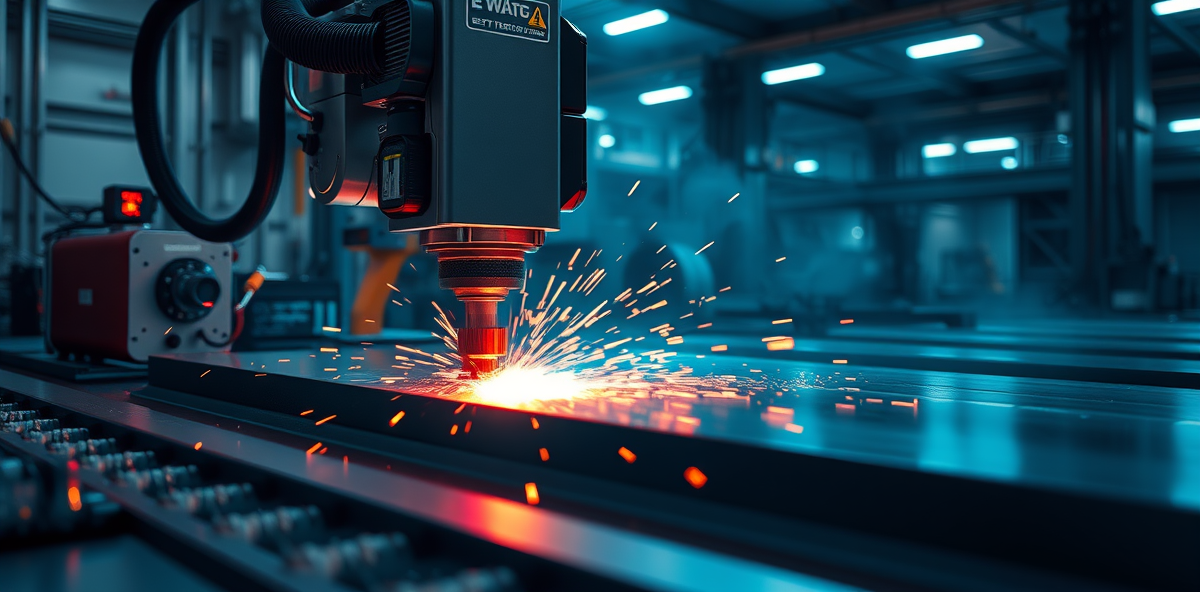
Revolutionizing EV Battery Manufacturing: The Indispensable Role of Laser Welding
The global shift towards electric vehicles (EVs) represents a monumental change in the automotive industry, driven by environmental concerns and technological advancements. At the heart of every EV lies its battery – a complex, high-performance component whose quality and efficiency directly impact vehicle range, safety, and lifespan. Manufacturing these sophisticated power sources demands unparalleled precision, speed, and reliability, areas where traditional joining methods often fall short.
This escalating demand has propelled advanced manufacturing technologies to the forefront. Among these, laser welding has emerged as a cornerstone, providing the critical precision and control necessary for the intricate assembly of EV batteries. Its ability to create strong, hermetic, and electrically conductive joints with minimal thermal impact makes it an ideal solution for the stringent requirements of battery production, from individual cells to complete battery packs.
Understanding Laser Welding Technology for EV Batteries
Laser welding is a non-contact joining process that utilizes a highly focused beam of light to melt and fuse materials. In the context of EV battery manufacturing, this technology is paramount due to its ability to deliver concentrated energy to a small area, resulting in rapid heating and cooling cycles. This precision minimizes the heat-affected zone (HAZ), which is critical for preventing damage to sensitive battery components.
The process involves a laser source, typically a fiber laser, which generates a coherent beam of light. This beam is then directed and focused onto the workpiece, melting the material at the joint interface. As the molten material solidifies, it forms a robust metallurgical bond. The non-contact nature of laser welding reduces mechanical stress on components, ensuring the integrity of delicate battery cells and connections.
The Unique Manufacturing Challenges of EV Batteries
EV battery production, particularly for lithium-ion batteries, presents a unique set of engineering and manufacturing challenges. The primary goal is to create battery packs that are energy-dense, lightweight, durable, and above all, safe. Achieving these objectives at scale requires overcoming significant hurdles in precision assembly and material joining.
Key challenges include welding dissimilar materials like copper, aluminum, and nickel, which have different thermal properties and reflectivity. The need for extremely low electrical resistance in connections is crucial for efficient power transfer and minimal heat generation. Furthermore, hermetic sealing is essential to protect sensitive electrochemical components from moisture and contaminants, ensuring long-term battery performance and safety. All these processes must be executed with micron-level accuracy at high production volumes.
Key Applications of Laser Welding in EV Battery Production
Laser welding is deployed across various critical stages of EV battery manufacturing, each demanding high precision and reliability. Its versatility allows for effective joining of diverse materials and geometries found within battery systems.
Cell-to-Cell and Busbar Welding
Connecting individual battery cells into modules and then into larger packs requires robust electrical interconnections, often achieved through busbars. These busbars, typically made of copper or aluminum, must be precisely welded to the cell terminals to minimize electrical resistance and ensure efficient current flow. Laser welding provides the necessary control to fuse these critical connections without overheating the sensitive cell internals.
The process must handle materials with high thermal conductivity and reflectivity, a task at which modern fiber lasers excel. Precise energy delivery ensures strong metallurgical bonds, contributing to the overall electrical performance and thermal management of the battery module. In some cases, specialized beam shaping techniques can be employed to optimize weld profiles for maximum contact and minimal heat input.
Module Assembly and Pack Housing Sealing
Once individual cells are connected into modules, these modules are then integrated into the final battery pack. Laser welding plays a vital role in structurally reinforcing these modules and sealing the battery pack housing. This includes welding cooling plates to modules to manage thermal loads, and securing structural components to ensure the pack’s integrity against vibration and impact.
Hermetic sealing of the entire battery pack housing is crucial to protect the internal components from environmental factors such as moisture and dust. Laser welding creates consistent, leak-proof seams, vital for the longevity and safety of the battery. This application often involves welding aluminum alloys, which require careful parameter control to prevent porosity and ensure a strong, continuous seal.
Battery Tab Welding
Battery tabs, which are the electrode connections extending from the jelly roll (anode and cathode), must be securely joined to the current collectors. These tabs are often made of thin layers of copper and aluminum. Laser welding is ideally suited for this delicate application, providing highly precise and repeatable welds on thin materials without causing material deformation or damage to the cell’s internal structure.
The ability to weld dissimilar materials, such as copper tabs to nickel current collectors, is a significant advantage of laser technology. This flexibility allows for optimized material selection for different parts of the battery. The precise energy input of a laser welding machine ensures that the electrical contact is robust and the thermal impact on the sensitive battery chemistry is negligible.
Benefits of Laser Welding for EV Battery Manufacturing
The adoption of laser welding in EV battery production is driven by a multitude of benefits that directly address the industry’s stringent requirements for performance, reliability, and cost-efficiency.
Exceptional Precision and Accuracy
Laser welding offers unparalleled control over the weld spot size and energy delivery, allowing for micron-level precision. This is critical in battery manufacturing where components are small, intricate, and densely packed. The ability to target specific areas with high accuracy minimizes the risk of damage to adjacent components, ensuring the integrity of the entire battery assembly.
High Speed and Efficiency for Mass Production
One of the most significant advantages of laser welding is its speed. The rapid processing capability of a laser welding machine is essential for meeting the high-volume demands of EV battery production lines. This efficiency translates into higher throughput, lower cycle times, and ultimately, increased overall productivity, making it a cost-effective solution for large-scale manufacturing operations.
Superior Weld Strength and Reliability
Laser welds are known for their high strength, narrow width, and deep penetration, resulting in robust and reliable joints. These strong metallurgical bonds are crucial for ensuring the structural integrity of battery modules and packs, which must withstand vibrations, shocks, and thermal cycling throughout an EV’s operational life. The consistent quality of laser welds contributes directly to the long-term reliability and safety of the battery.
Minimal Heat Affected Zone (HAZ)
The concentrated energy of a laser beam means that heat is delivered to a very small area, and the process is extremely fast. This results in a minimal heat-affected zone around the weld. For heat-sensitive components like battery cells, minimizing HAZ is paramount to prevent thermal degradation of active materials and electrolytes, preserving cell performance and lifespan.
Versatility in Material Joining, Including Dissimilar Metals
EV battery construction often involves joining dissimilar metals, such as copper to aluminum, or copper to nickel, each with different melting points and thermal properties. Laser welding technology, particularly advanced fiber lasers, can effectively bridge these material differences. Specialized process control and beam oscillation techniques enable the formation of strong, intermetallic bonds, providing design flexibility for battery engineers.
Seamless Integration with Automation
Laser welding systems are highly compatible with robotic and automated production lines. Their non-contact nature and repeatable precision make them ideal for integration into fully automated manufacturing processes. This capability reduces the need for manual intervention, enhances consistency, improves safety, and further increases production efficiency, aligning perfectly with Industry 4.0 principles.
Cost-Effectiveness and Reduced Consumables
While the initial investment in a laser welding system can be significant, the long-term operational costs are often lower. Laser welding typically requires no consumables like filler wire or electrodes (for many applications), reducing material costs. Furthermore, the high precision and reliability lead to fewer defects, reduced rework, and higher yield rates, contributing to overall cost savings in high-volume production.
Comparison: Laser Welding vs. Traditional Welding Methods for Batteries
Before the widespread adoption of laser technology, methods like ultrasonic welding and resistance welding were common in battery assembly. While these methods have their place, they often present limitations when confronted with the strict requirements of EV battery manufacturing.
Ultrasonic welding uses high-frequency vibrations to create solid-state bonds. While effective for thin foils and dissimilar metals, it can introduce mechanical stress, and its application depth is limited. Resistance welding relies on electrical current passing through the workpieces to generate heat, which can lead to larger HAZs and electrode wear, necessitating frequent maintenance and impacting weld consistency.
In contrast, laser welding offers superior control over energy input, enabling deeper penetration, narrower welds, and significantly smaller HAZs. The non-contact nature eliminates electrode wear and mechanical stress, ensuring consistent, high-quality welds at much faster speeds. This makes laser welding the preferred method for the critical and sensitive connections within EV batteries, outperforming traditional methods in terms of precision, speed, and overall weld quality.
How to Choose the Right Laser Welding Machine for EV Battery Production
Selecting the appropriate laser welding machine is a critical decision that impacts production efficiency, weld quality, and ultimately, the success of EV battery manufacturing operations. Several factors must be carefully considered.
- Laser Type: For EV battery welding, fiber lasers are predominantly favored due to their excellent beam quality, high efficiency, and robustness. Their ability to deliver high power with a small spot size is ideal for intricate and high-speed applications.
- Power Output: The required laser power depends on the materials being welded, their thickness, and the desired welding speed. Higher power is generally needed for thicker materials or for achieving deeper penetration welds. It’s crucial to match power to application to avoid overheating or insufficient penetration.
- Beam Quality and Delivery: High beam quality (M² value) allows for tighter focusing and more precise energy delivery. Beam delivery systems, including galvanometer scanners, are essential for rapid and accurate positioning of the laser spot, especially for complex geometries and high-speed processing.
- Automation and Integration Capabilities: The chosen system should integrate seamlessly with existing or planned robotic and automation infrastructure. Features like real-time process monitoring, vision systems, and communication protocols are vital for efficient, automated battery production lines.
- Safety Features: High-power industrial lasers require stringent safety measures. The machine should comply with international laser safety standards (e.g., Class 1 enclosures, interlocks, safety curtains) to protect operators and personnel.
- Supplier Support and Expertise: Partnering with a supplier that offers comprehensive technical support, application expertise, and training is invaluable. Their experience in EV battery welding applications can significantly shorten implementation times and optimize process parameters.
Why Choose Lemon Laser for Your EV Battery Manufacturing Needs
Lemon Laser understands the exacting demands of modern industrial manufacturing, especially in the rapidly evolving EV battery sector. We are committed to providing cutting-edge laser solutions that empower manufacturers to achieve superior quality, efficiency, and reliability in their production processes. Our range of laser systems, including advanced fiber lasers, is engineered to meet the specific challenges of welding delicate and diverse battery components.
Our expertise extends beyond providing equipment; we offer comprehensive support from application development and process optimization to installation and ongoing maintenance. Whether you require precise cell tab welding, robust busbar connections, or hermetic pack sealing, Lemon Laser’s technology is designed for repeatable performance and seamless integration into high-volume automated lines. Our commitment to innovation ensures that our solutions remain at the forefront of industrial laser technology, helping our partners navigate the complexities of EV battery manufacturing successfully.
Maintenance and Operational Tips for Laser Welding Systems
To ensure the longevity, optimal performance, and consistent output of a laser welding machine in the demanding EV battery manufacturing environment, proper maintenance and operational practices are crucial.
- Regular Optics Cleaning: The laser optics (lenses, mirrors, protective windows) are critical components. Dust, debris, or spatter can degrade beam quality and power. Regular, careful cleaning with appropriate materials and techniques is essential.
- Cooling System Monitoring: Laser systems generate heat and rely on efficient cooling. Regularly check the chiller’s fluid levels, temperature, and filter cleanliness to prevent overheating, which can damage the laser source.
- Calibration and Alignment: Over time, slight misalignments can occur. Periodic calibration and alignment checks of the laser beam delivery path ensure consistent weld quality and accuracy.
- Protective Window Replacement: The protective window, often found near the focal lens, is designed to shield the internal optics from spatter. It should be inspected frequently and replaced as soon as any signs of damage or contamination are visible.
- Operator Training and Safety: Proper training for operators on machine operation, safety protocols, and basic troubleshooting is paramount. Adherence to all laser safety guidelines prevents accidents and ensures a safe working environment. This is especially true for systems like a laser cutting machine as well as welding systems.
- Preventative Maintenance Schedule: Establish and adhere to a strict preventative maintenance schedule as recommended by the manufacturer. This proactive approach helps identify and address potential issues before they lead to costly downtime or production interruptions.
The Future of Laser Technology in EV Battery Manufacturing
The trajectory of EV battery technology is one of continuous innovation, driving parallel advancements in manufacturing processes. Laser technology is poised to play an even more expansive role in this evolution. We can anticipate several key developments shaping the future of laser welding in this sector.
Enhanced automation and artificial intelligence (AI) integration will lead to more intelligent laser welding machine systems capable of real-time adaptive control. This means systems that can automatically adjust parameters to compensate for material variations or process anomalies, ensuring consistent weld quality and maximizing yield. This level of sophistication will be critical for next-generation battery designs and materials.
Advances in multi-beam and tailored beam shaping technologies will further optimize weld profiles and heat distribution, allowing for even finer control over thermal management and the joining of increasingly complex material combinations. Imagine a laser cutting machine that can not only cut intricate shapes but also prepare edges for simultaneous, multi-point welding.
The development of new battery chemistries and designs, such as solid-state batteries, will present fresh challenges and opportunities for laser welding. Research into ultra-short pulse lasers and specialized wavelengths may unlock solutions for these advanced materials, pushing the boundaries of what’s possible in battery manufacturing. Furthermore, the integration of in-situ monitoring and quality control systems using optical coherence tomography (OCT) or thermography will become standard, providing immediate feedback and ensuring zero-defect production.
Conclusion
The rapid acceleration of the electric vehicle market hinges on the ability to produce high-performance, reliable, and cost-effective batteries at scale. Laser welding technology has emerged not just as an option, but as an indispensable cornerstone of modern EV battery manufacturing. Its unparalleled precision, speed, minimal thermal impact, and versatility in joining diverse materials directly address the industry’s most critical challenges.
From welding delicate cell tabs and robust busbar connections to hermetically sealing entire battery packs, laser welding ensures the integrity, efficiency, and safety of EV batteries. As the demand for electric vehicles continues to surge, so too will the reliance on advanced manufacturing techniques. Continuous innovation in fiber laser cutting, metal laser cutting, and laser welding technologies will be crucial in shaping the future of sustainable transportation, enabling manufacturers to build the next generation of powerful and reliable EV batteries that power our cleaner future.
By investing in advanced laser welding solutions and adhering to best operational practices, manufacturers can enhance their competitive edge, drive innovation, and play a pivotal role in the global transition to electric mobility. The future of EV battery manufacturing is inextricably linked with the continued evolution and adoption of sophisticated laser processing technologies.

