
Currently Empty: ₹0.00
Are Automated Laser Cutting Machines Worth It? A Deep Dive for Manufacturers
In the competitive landscape of modern manufacturing, efficiency, precision, and cost-effectiveness are paramount. As industries constantly seek innovative solutions to optimize production, automated Laser Cutting Machine technology has emerged as a game-changer. This comprehensive guide delves into the world of automated Laser Cutting Machines, exploring their capabilities, applications, and ultimately, their true value proposition for engineers, factory owners, and manufacturing companies.
The question of whether to invest in an automated Laser Cutting Machine is a critical one for many businesses. This article aims to provide a detailed analysis, examining the benefits, potential drawbacks, and key considerations to help you make an informed decision that drives your operational success and long-term profitability. Understanding the nuances of this technology is crucial for maintaining a competitive edge in today’s fast-paced industrial environment.
Understanding Automated Laser Cutting Technology
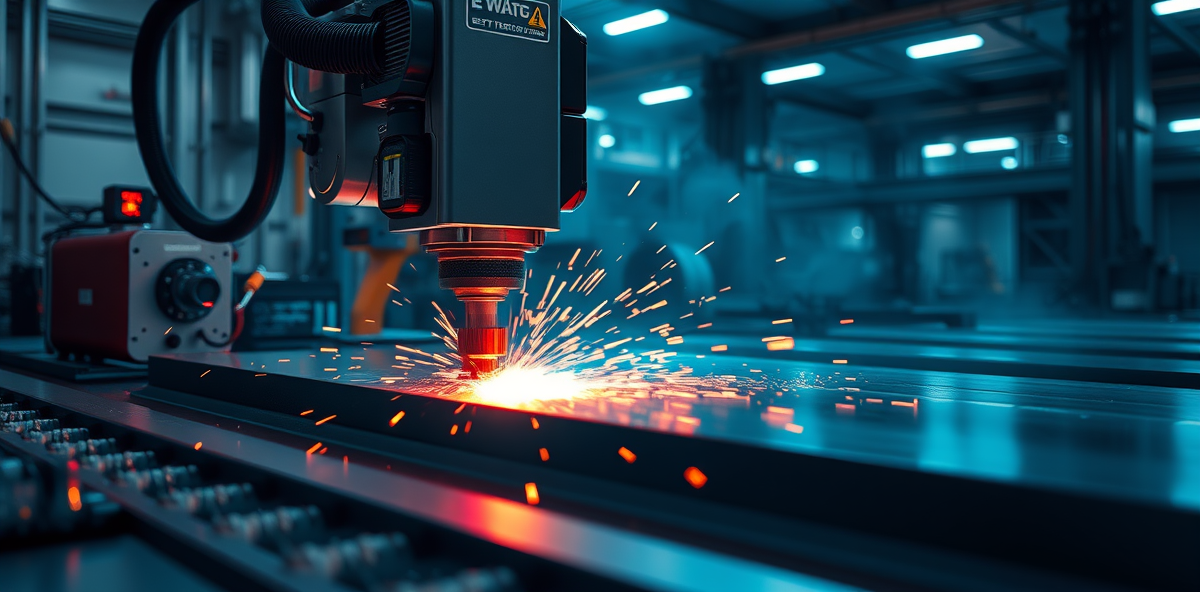
Automated laser cutting refers to the process where a high-power laser beam is used to cut materials, typically metals, with minimal human intervention. Unlike manual or semi-automated systems, these machines integrate advanced robotics, sophisticated software, and often material handling systems to perform cutting operations continuously and autonomously.
At its core, the technology relies on a focused laser beam, often generated by a fiber laser, to melt, burn, or vaporize material in a precise path. Modern automated systems often feature automated loading and unloading, nozzle changing, and even error detection, significantly reducing labor costs and increasing throughput.
What is Fiber Laser Technology?
Fiber laser technology is a cornerstone of modern automated Laser Cutting Machines. A fiber laser utilizes an optical fiber doped with rare-earth elements as the gain medium. The laser light is guided and amplified within the fiber, resulting in a highly concentrated and stable beam. This technology offers superior beam quality, high efficiency, and minimal maintenance compared to traditional CO2 lasers.
For Laser Cutting Machines, fiber lasers are particularly advantageous for metal laser cutting. They can cut reflective materials like copper, brass, and aluminum with greater ease and efficiency, making them a preferred choice for a wide range of industrial applications. The compact design and robust nature of fiber lasers also contribute to the overall reliability and longevity of automated systems.
Key Applications of Automated Laser Cutting Machines
Automated laser cutting machines are versatile tools, finding application across numerous industries due to their precision and speed. Their ability to handle complex geometries and various material types makes them indispensable for modern manufacturing processes.
- Automotive Industry: Used for cutting intricate components for vehicle bodies, exhaust systems, and interior parts. Automated systems ensure high-volume production with consistent quality, crucial for safety-critical parts.
- Aerospace Sector: Essential for fabricating lightweight and high-strength components from specialized alloys. The extreme precision of fiber laser cutting is vital for meeting stringent aerospace standards.
- Medical Device Manufacturing: Produces small, highly accurate parts for surgical instruments, implants, and diagnostic equipment. The clean cuts and minimal heat-affected zones are critical for biomedical applications.
- Sheet Metal Fabrication: From HVAC ducts to architectural panels, automated Laser Cutting Machines revolutionize general sheet metal laser cutting. They allow for rapid prototyping and efficient batch production of custom parts.
- Electronics Industry: Used for cutting delicate circuit boards, enclosures, and various small components with high precision, minimizing material waste.
- Agricultural Machinery: Fabricates heavy-duty components for tractors, harvesters, and other farm equipment, requiring robust and accurate cuts on thick materials.
The adaptability of automated Laser Cutting Machines ensures they can meet the diverse demands of these sectors, offering tailored solutions for complex manufacturing challenges.
Benefits of Investing in Automated Laser Cutting Machines
The decision to invest in an automated Laser Cutting Machine brings a multitude of advantages that can significantly enhance a manufacturing operation’s competitive edge.
- Enhanced Precision and Accuracy: Automated systems offer unparalleled cutting precision, often measured in micrometers. This leads to higher quality finished products and a significant reduction in waste due to errors. Complex designs can be reproduced with consistent accuracy across thousands of parts.
- Increased Production Speed and Throughput: Automation drastically reduces cycle times. With features like automatic loading/unloading and nesting software, machines can run continuously, maximizing production output and shortening lead times. This is especially true for metal laser cutting operations where high-volume production is key.
- Reduced Labor Costs: While initial investment is higher, automated Laser Cutting Machines require less direct human supervision. Operators can manage multiple machines, freeing up skilled labor for other value-added tasks. This mitigates rising labor costs and addresses skilled labor shortages.
- Material Optimization and Waste Reduction: Advanced nesting software integrated into automated systems ensures optimal material utilization. This minimizes scrap material, leading to substantial cost savings on raw materials – a critical factor for expensive alloys.
- Improved Safety: Automation removes operators from direct contact with the cutting process, significantly reducing the risk of workplace accidents associated with traditional cutting methods or even manual laser operation.
- Greater Flexibility and Versatility: Modern automated Laser Cutting Machines can quickly switch between different material types and thicknesses. Programming new designs is typically straightforward, allowing for rapid prototyping and adaptation to changing production demands without extensive retooling.
- Consistent Quality: Automation eliminates human variability, ensuring that every part produced meets the same high-quality standards. This consistency is crucial for industries with strict regulatory requirements and for maintaining brand reputation.
Cost-Benefit Analysis: When Does Automation Pay Off?
Evaluating the worth of an automated Laser Cutting Machine requires a thorough cost-benefit analysis. While the upfront investment can be substantial, the long-term savings and increased profitability often justify the expenditure.
Key factors to consider include:
- Volume of Production: Companies with high production volumes or repetitive tasks will see a faster return on investment (ROI). The more a machine runs, the more its efficiency and cost savings are realized.
- Complexity of Parts: If your production involves intricate designs and tight tolerances, the precision of an automated system will reduce rework and scrap, leading to significant savings.
- Material Costs: For businesses working with expensive materials, the material optimization capabilities of automated systems can lead to substantial savings, making the investment worthwhile sooner.
- Labor Availability and Cost: In regions with high labor costs or a shortage of skilled operators, automation can be a strategic solution to maintain production levels and control expenses.
- Competitive Advantage: Investing in advanced technology can position a company as a leader in its field, attracting more clients and higher-value projects. The ability to offer faster turnaround times and superior quality is a significant differentiator.
Calculating ROI involves considering the initial purchase price, installation costs, training, maintenance, and operational expenses versus savings from reduced labor, material waste, increased throughput, and improved product quality. Many businesses find that an automated Laser Cutting Machine can achieve ROI within 2-5 years, especially with optimized operations.
How to Choose the Right Laser Equipment
Selecting the ideal automated Laser Cutting Machine involves a careful evaluation of several factors tailored to your specific operational needs. Making the right choice ensures maximum efficiency and a solid return on investment.
- Laser Type and Power: Determine whether a fiber laser cutting system or a CO2 laser is more suitable for your materials. Fiber lasers excel in metal laser cutting, especially for thinner gauges and reflective metals, offering higher efficiency and lower maintenance. Power output should match the thickness and type of materials you typically process.
- Work Area Size: Choose a machine with a bed size that accommodates your largest workpieces. Consider future needs as well to avoid premature equipment upgrades.
- Automation Level: Evaluate the degree of automation required. Do you need automated loading/unloading, material storage, nozzle changing, or full integration with robotic arms for part sorting? The level of automation directly impacts costs and efficiency.
- Software and Controls: Advanced CAD/CAM software for nesting and machine control is crucial. User-friendly interfaces, robust programming capabilities, and compatibility with your existing systems are key.
- Machine Build Quality and Components: Investigate the quality of the machine’s frame, motion system, and critical components like the laser source and cutting head. High-quality construction ensures longevity and consistent performance.
- Supplier Reputation and Support: Choose a reputable manufacturer or supplier known for reliable equipment and excellent after-sales service, including technical support, spare parts availability, and training.
- Budget and ROI: Balance your budget with the expected ROI. Sometimes, a slightly higher initial investment in a more robust or automated system can yield greater long-term savings and benefits.
Why Choose Lemon Laser?
When considering an automated Laser Cutting Machine, Lemon Laser stands out as a premier provider. Our commitment to innovation and quality ensures that our machines are at the forefront of fiber laser cutting technology. We offer a range of highly automated Laser Cutting Machines designed for maximum efficiency, precision, and reliability in metal laser cutting applications.
Lemon Laser provides comprehensive support, from initial consultation and customization to installation, training, and ongoing maintenance. Our machines are built with robust components, advanced software, and user-friendly interfaces, ensuring seamless integration into your production line and a rapid return on investment. Explore our solutions for cutting-edge manufacturing.
Maintenance and Operational Tips for Automated Laser Systems
To maximize the lifespan and efficiency of your automated Laser Cutting Machine, proper maintenance and operational practices are essential. Neglecting these aspects can lead to costly downtime and reduced performance.
- Regular Cleaning: Keep optical components (lenses, mirrors, protective windows) meticulously clean to ensure optimal beam quality and prevent damage. Dust and debris can significantly degrade cutting performance.
- Nozzle and Consumable Checks: Routinely inspect and replace nozzles, ceramics, and other consumables. Worn parts can affect cut quality and machine efficiency.
- Gas Purity: Ensure the purity of assist gases (nitrogen, oxygen, air). Contaminated gases can lead to poor cut quality and damage to components.
- Chiller Maintenance: The chiller system is critical for maintaining the laser source’s temperature. Regularly check coolant levels and ensure the chiller operates within specified parameters.
- Software Updates: Keep the machine’s control software and nesting programs updated to leverage the latest features, improvements, and bug fixes.
- Preventative Maintenance Schedule: Adhere strictly to the manufacturer’s recommended preventative maintenance schedule. This includes checking lubrication, belt tension, and overall system calibration.
- Operator Training: Ensure all operators are thoroughly trained not only on machine operation but also on basic troubleshooting and preventative maintenance procedures.
A well-maintained automated Laser Cutting Machine is a reliable asset, consistently delivering high-quality results and contributing to sustained productivity.
The Future of Laser Technology in Manufacturing
The trajectory of laser technology in manufacturing points towards even greater automation, intelligence, and integration. Automated Laser Cutting Machines are evolving rapidly, promising more sophisticated capabilities and efficiencies.
- Artificial Intelligence and Machine Learning: AI algorithms will increasingly optimize cutting parameters in real-time, predict maintenance needs, and enhance material utilization for metal laser cutting.
- Enhanced Robotics and Collaborative Robots (Cobots): Integration with advanced robotic arms will become more seamless, enabling fully automated production cells from material handling to part sorting and even post-processing like deburring or laser welding machine operations.
- Additive Manufacturing Integration: Hybrid systems combining laser cutting with 3D printing (additive manufacturing) will enable even more complex part creation and rapid prototyping.
- Cloud Connectivity and Industry 4.0: Laser cutting machines will be increasingly connected to cloud-based platforms, allowing for remote monitoring, data analysis, and integration into broader smart factory ecosystems.
- Higher Power and More Diverse Materials: Expect even higher laser powers capable of cutting thicker materials at faster speeds, alongside developments in cutting new and advanced composites.
These advancements underscore that automated Laser Cutting Machines are not just a current trend but a foundational technology for the factories of tomorrow.
Conclusion
So, are automated Laser Cutting Machines worth it? For manufacturing companies aiming for higher precision, increased efficiency, reduced operational costs, and a strong competitive advantage, the answer is a resounding yes. The initial investment is systematically offset by significant long-term benefits, making them a wise strategic move for progressive businesses.
By understanding the technology, evaluating your specific needs, and choosing a reliable partner like Lemon Laser, you can unlock the full potential of automated fiber laser cutting. Embracing this advanced manufacturing solution is not just about keeping pace; it’s about leading the way into a more productive, precise, and profitable future.

