Currently Empty: ₹0.00
Navigating the Weld: Handheld Laser Welding vs. Traditional Methods
In the dynamic world of manufacturing and fabrication, welding technology continues to evolve at a rapid pace. For decades, traditional welding methods such as MIG, TIG, and Stick have been the industry standard, proving their reliability across countless applications. However, the advent of advanced laser technologies, particularly handheld laser welding, is reshaping the landscape, offering manufacturers unprecedented levels of precision, speed, and efficiency.
This comprehensive article delves into a detailed comparison between handheld laser welding and its traditional counterparts. We will explore the pros and cons of each, helping engineers, factory owners, and manufacturing companies make informed decisions about integrating the most suitable welding solutions into their operations. Understanding these differences is crucial for optimizing production processes, improving product quality, and securing a competitive edge in today’s demanding market.
The Evolution of Welding Technology: Understanding Fiber Laser
At the heart of modern laser welding lies fiber laser technology, a revolutionary advancement that has transformed not only welding but also areas like Laser Cutting Machine. Fiber lasers utilize an active gain medium of optical fibers doped with rare-earth elements, such as ytterbium, to generate a highly focused and intense laser beam. This beam is then delivered to the workpiece via a flexible fiber optic cable, allowing for remarkable precision and control.
This technology offers superior beam quality, high electro-optical efficiency, and a robust, compact design compared to older laser types. These characteristics make fiber lasers ideal for demanding industrial applications, enabling intricate work with minimal thermal distortion. Their reliability and low maintenance requirements have made them a cornerstone in advanced manufacturing processes, including high-speed metal laser cutting and precision welding.
Understanding Traditional Welding Methods
Before the widespread adoption of laser technology, traditional welding methods served as the backbone of industrial fabrication. Each method offers distinct advantages and is suited for specific applications, though they also come with inherent limitations.
- MIG (Gas Metal Arc Welding): A semi-automatic or automatic process, MIG welding uses a continuously fed solid wire electrode and a shielding gas to protect the weld puddle from atmospheric contamination. It is known for its speed and suitability for thick materials, making it a staple in automotive and structural steel fabrication. However, it can produce significant spatter and requires careful gas management.
- TIG (Gas Tungsten Arc Welding): TIG welding employs a non-consumable tungsten electrode and an inert shielding gas to produce high-quality, precise welds. It is renowned for its clean finishes, excellent control, and suitability for thin materials and exotic metals like aluminum and stainless steel. The process is slower and requires a high level of operator skill, often demanding significant post-weld cleaning.
- Stick (Shielded Metal Arc Welding): One of the oldest and most versatile welding processes, Stick welding uses a consumable electrode coated in flux. It is highly portable and can be performed outdoors or in windy conditions due to its robust nature. Stick welding is often used for heavy fabrication, repair, and maintenance. Its drawbacks include lower deposition rates, significant slag, and a relatively rough weld finish requiring extensive post-processing.
The Dawn of Handheld Laser Welding
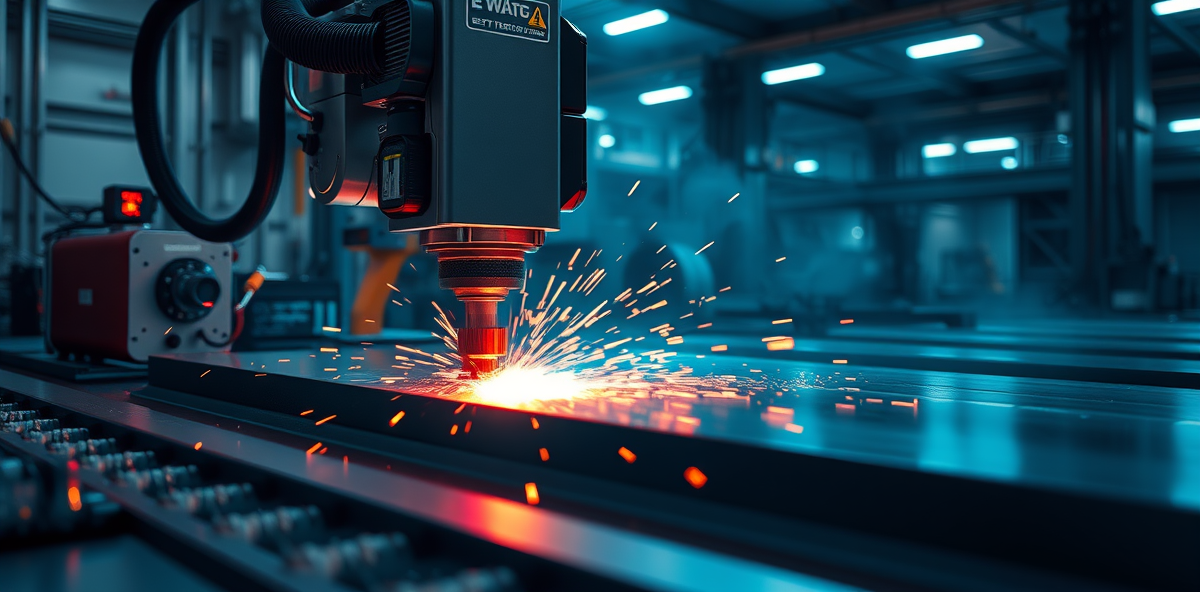
Handheld laser welding represents a significant leap forward in welding technology, bringing the precision and speed of industrial lasers into a more accessible and flexible format. A handheld Laser Welding Machine typically consists of a fiber laser source, a hand-held welding gun, a wire feeder (optional), and a cooling system, all integrated into a compact unit.
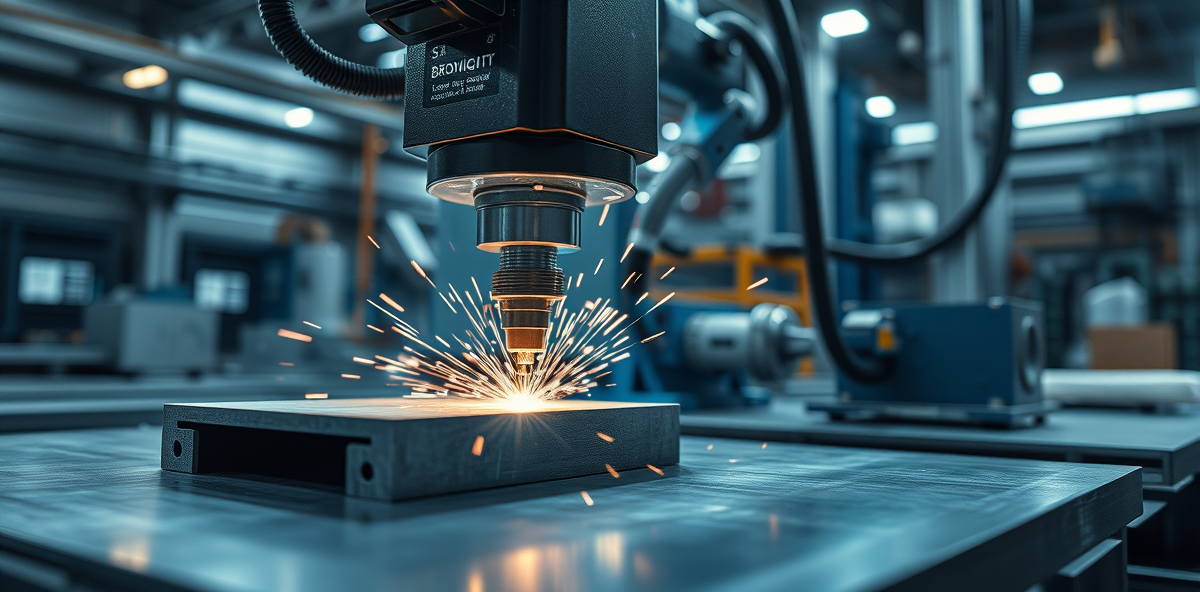
The operator guides the lightweight welding gun along the joint, while the highly focused laser beam melts the materials, creating a strong, narrow weld seam. This technology minimizes heat input, leading to less distortion and discoloration of the workpiece. Its ease of use and ability to work on complex geometries make it an attractive alternative for many manufacturing operations, bridging the gap between automated laser systems and traditional manual welding.
Handheld Laser Welding vs. Traditional Welding: A Comprehensive Comparison
To truly understand the impact of handheld laser welding, a detailed comparison against traditional methods is essential. This section breaks down key performance metrics and operational considerations.
Precision and Weld Quality
Handheld laser welding excels in precision, producing exceptionally narrow and deep welds with minimal porosity. The concentrated energy of the laser beam allows for precise control over the weld pool, resulting in smooth, aesthetically pleasing finishes. Traditional methods, while effective, often produce wider beads and can suffer from spatter, undercut, or incomplete fusion, requiring more rework.
Speed and Productivity
One of the most compelling advantages of handheld laser welding is its speed. It can be significantly faster than TIG welding and often surpasses MIG welding in many applications, drastically reducing cycle times. This increased speed directly translates to higher throughput and productivity, making it an ideal choice for high-volume manufacturing environments. Traditional methods require more time for setup, multiple passes for thicker materials, and post-weld cleanup, all contributing to longer overall production times.
Material Compatibility and Versatility
Handheld laser welders are highly versatile, capable of welding a wide range of metals, including stainless steel, carbon steel, aluminum, copper, and even dissimilar metals, often without filler wire. This versatility is comparable to TIG welding but with greater speed. Traditional methods each have their strengths; for instance, MIG is excellent for steel, TIG for thin and exotic metals, and Stick for heavy, outdoor applications. The ability of fiber laser cutting and welding systems to handle various materials is a significant benefit.
Ease of Use and Operator Skill Requirements
While traditional TIG welding demands extensive skill and experience, handheld laser welding has a much shorter learning curve. Operators can achieve high-quality welds with minimal training due to the intuitive interface and automatic parameter settings available on many modern Laser Welding Machine models. This reduces reliance on highly skilled, hard-to-find traditional welders and broadens the pool of potential operators.
Heat Affected Zone (HAZ) and Distortion
The highly focused energy of a laser beam minimizes the Heat Affected Zone (HAZ) surrounding the weld, significantly reducing thermal distortion and material warping. This is a critical advantage for thin materials and applications requiring tight tolerances. Traditional welding, especially MIG and Stick, introduces more heat into the workpiece, leading to larger HAZs and a higher propensity for distortion, often necessitating costly straightening or post-weld machining.
Consumables and Environmental Impact
Handheld laser welding typically requires fewer consumables compared to traditional methods. While some applications may use a small amount of filler wire, the need for shielding gas is often reduced or eliminated, depending on the material and specific process. This translates to lower operational costs and a smaller environmental footprint. Traditional methods rely heavily on consumable electrodes, filler wires, and significant volumes of shielding gas, leading to ongoing expenditure and waste.
Post-Processing Requirements
Due to the clean, precise, and low-distortion welds produced by handheld laser welding, post-processing requirements are often drastically reduced or eliminated. Welds are typically smooth and clean, minimizing the need for grinding, sanding, or polishing. Traditional welds frequently require extensive grinding, wire brushing, and deburring to achieve acceptable finishes, adding significant time and cost to the production cycle.
Safety Considerations
While all welding processes involve safety risks, the hazards differ. Laser welding requires strict adherence to laser safety protocols, including eye protection and fume extraction. However, it eliminates risks associated with electric shock, intense UV radiation, and hot spatter common in arc welding. Modern handheld Laser Welding Machine systems often include interlocks and safety features to protect operators, while traditional methods demand comprehensive PPE to guard against arc flash, sparks, and heat.
Initial Investment vs. Operational Costs
The initial investment for a handheld Laser Welding Machine can be higher than for traditional welding equipment. However, this higher upfront cost is often offset by significantly lower operational costs over time. Reduced consumables, faster welding speeds, minimal post-processing, and lower labor costs contribute to a rapid return on investment (ROI). Traditional systems have lower initial costs but incur higher ongoing expenses for consumables, labor, and rework.
Portability and Workspace Requirements
Handheld laser welders are designed for portability and flexibility. Their compact nature allows them to be moved to different workstations or even on-site for repair work, making them highly adaptable. They also typically require less dedicated floor space than larger traditional welding setups. Traditional systems, while some are portable, often demand more extensive setups, including gas cylinders, larger power sources, and ventilation systems.
Key Applications for Handheld Laser Welding
The unique advantages of handheld laser welding make it suitable for a diverse range of industries and applications, especially where precision and efficiency are paramount.
- Automotive Industry: Used for welding car body components, exhaust systems, interior parts, and repair work, where high-speed, low-distortion welds are critical.
- Aerospace and Aviation: Ideal for joining thin-gauge metals and delicate components where minimal heat input and exceptional weld integrity are required, ensuring structural strength without warping.
- Medical Device Manufacturing: Precision welding of small, intricate components for instruments, implants, and enclosures, where cleanliness and accuracy are non-negotiable.
- Sheet Metal Fabrication: Perfect for creating clean, strong joints in sheet metal products, reducing post-processing and improving aesthetic quality for enclosures, cabinets, and fixtures.
- General Manufacturing and Job Shops: Offers flexibility for varied jobs, from custom fabrication to repair of existing parts, providing a versatile tool for diverse production needs.
- Repair and Maintenance: Excellent for on-site repairs of machinery, molds, and tools, reducing downtime and extending the lifespan of valuable equipment.
Beyond the Arc: The Tangible Benefits of Handheld Laser Welding
The advantages of handheld laser welding extend beyond the immediate welding process, offering significant benefits to overall manufacturing operations.
- Enhanced Weld Aesthetics: Produces clean, consistent, and visually appealing welds with minimal discoloration, often eliminating the need for cosmetic grinding.
- Reduced Rework and Scrap: The high precision and control minimize defects, leading to fewer rejected parts and less material waste, improving overall efficiency.
- Increased Throughput: Faster welding speeds and reduced post-processing mean more parts can be produced in less time, boosting productivity and meeting tight deadlines.
- Lower Operational Costs: Savings on consumables (filler wire, shielding gas), reduced labor for post-processing, and decreased energy consumption contribute to a more cost-effective operation.
- Improved Worker Comfort and Safety: Less exposure to glare, fumes, and spatter, combined with a more ergonomic tool, enhances the working environment and reduces operator fatigue.
Choosing the Right Welding Technology for Your Operations
Selecting between handheld laser welding and traditional methods requires a careful evaluation of several key factors specific to your manufacturing environment.
Assessing Your Material Requirements
Consider the types of metals you frequently weld, their thickness, and any specific metallurgical requirements. While laser welding handles a wide array, some specialized applications might still favor traditional methods or require specific filler materials.
Volume and Production Demands
For high-volume production with repetitive welds, the speed and automation potential of a Laser Welding Machine or even robotic laser welding are invaluable. For low-volume, highly varied, or repair work, the flexibility of handheld laser welding or traditional methods might be more suitable.
Budget and ROI Considerations
Evaluate the initial investment against the long-term operational savings. Calculate the potential return on investment (ROI) considering factors like reduced labor, consumables, rework, and increased throughput. Often, the higher upfront cost of laser technology is justified by significant long-term savings.
Operator Skill Set and Training
Assess your current workforce’s skill levels and the availability of training. Handheld laser welding can quickly bring new operators up to speed, addressing potential labor shortages for highly skilled traditional welders.
Workspace and Portability Needs
Consider your shop floor layout and whether you require a portable solution for on-site work or dedicated stationary workstations. The compact and mobile nature of handheld laser welders can be a decisive factor for space-constrained environments.
Why Choose Lemon Laser for Your Advanced Welding Solutions
At Lemon Laser, we understand the complexities of modern manufacturing and the critical role that advanced technology plays in achieving operational excellence. As a leading provider of cutting-edge laser solutions, we specialize in high-performance fiber laser cutting and precision laser welding systems. Our expertise extends across the entire spectrum of laser applications, from robust Laser Cutting Machine that handle diverse materials with unparalleled accuracy to advanced Laser Welding Machine designed for optimal speed and weld quality.
We are committed to empowering manufacturers with reliable, efficient, and technologically superior equipment that delivers tangible benefits. Our team of experts provides comprehensive support, from initial consultation and system customization to installation and ongoing technical service, ensuring a seamless integration into your production workflow. With Lemon Laser, you gain a partner dedicated to your success, offering solutions that drive innovation and productivity in your operations.
Maintenance and Operational Best Practices for Laser Welding Systems
To ensure the longevity, optimal performance, and safety of your handheld Laser Welding Machine, adhering to proper maintenance and operational practices is crucial.
- Routine Cleaning and Inspection: Regularly clean the protective lens, nozzle, and shielding gas components. Inspect cables and connections for wear or damage.
- Optics Care: The focusing lens and protective window are critical. Keep them free from dust, spatter, and contaminants, as even minor imperfections can degrade beam quality and welding performance.
- Cooling System Management: Ensure the chiller unit is operating correctly, and the coolant level is maintained. Proper cooling is vital for protecting the laser source and gun components from overheating.
- Safety Protocol Adherence: Always wear appropriate laser safety glasses (OD rating specific to your laser), ensure proper ventilation, and maintain a clear workspace. Never operate the system without adequate safety measures in place.
- Software Updates and Calibration: Keep the system’s software updated as recommended by the manufacturer and perform periodic calibrations to ensure consistent and accurate welding parameters.
The Future Landscape: Laser Technology’s Impact on Manufacturing
The future of laser technology in manufacturing is exceptionally promising, with continuous advancements pushing the boundaries of what’s possible. We anticipate further integration of artificial intelligence and machine learning into laser systems, enabling even more precise control, predictive maintenance, and adaptive welding processes. The development of higher power lasers and new beam delivery techniques will unlock capabilities for processing even more challenging materials and thicker sections, further reducing the need for traditional methods.
The trend towards automation and robotics will continue, with laser welding becoming an integral part of fully automated production lines. Miniaturization of laser sources and enhanced portability will also expand the reach of handheld systems, making them even more versatile for various on-site and remote applications. As industries demand greater efficiency, quality, and sustainability, laser technology, including fiber laser cutting and welding, will undoubtedly remain at the forefront of manufacturing innovation.
Conclusion
The decision between handheld laser welding and traditional welding methods is not a matter of one being inherently superior, but rather selecting the most appropriate technology for specific applications and operational goals. While traditional methods like MIG, TIG, and Stick continue to offer reliable solutions for many tasks, handheld laser welding presents a compelling alternative, particularly for manufacturers seeking enhanced precision, speed, efficiency, and reduced post-processing requirements.
With benefits such as minimal heat input, lower consumables, a shorter learning curve, and superior weld aesthetics, handheld laser welding is rapidly becoming a cornerstone of modern fabrication. By carefully assessing your specific needs, considering factors like material type, production volume, budget, and desired weld quality, you can make an informed choice. Embracing advanced solutions like those offered by Lemon Laser ensures that your operations remain at the forefront of technological innovation, driving productivity and quality in an ever-evolving industrial landscape.