
Currently Empty: ₹0.00
How Laser Cutting Improves Productivity in Fabrication Shops
Fabrication shops today operate in a highly competitive landscape, where the demand for precision, speed, and cost-efficiency is paramount. Traditional metal cutting methods, while still prevalent, often present limitations that can hinder productivity, increase material waste, and extend lead times. These challenges necessitate a shift towards more advanced manufacturing technologies that can meet the evolving needs of the industry. Among these innovations, laser cutting stands out as a transformative solution, fundamentally reshaping the operational dynamics of fabrication shops worldwide.
This article delves into how laser cutting, particularly fiber laser cutting technology, dramatically enhances productivity, offering unparalleled benefits in terms of speed, precision, material utilization, and overall operational efficiency. We will explore its core principles, diverse applications, key advantages, and essential considerations for businesses looking to integrate this powerful technology into their manufacturing processes.
What is Fiber Laser Technology and Metal Laser Cutting?
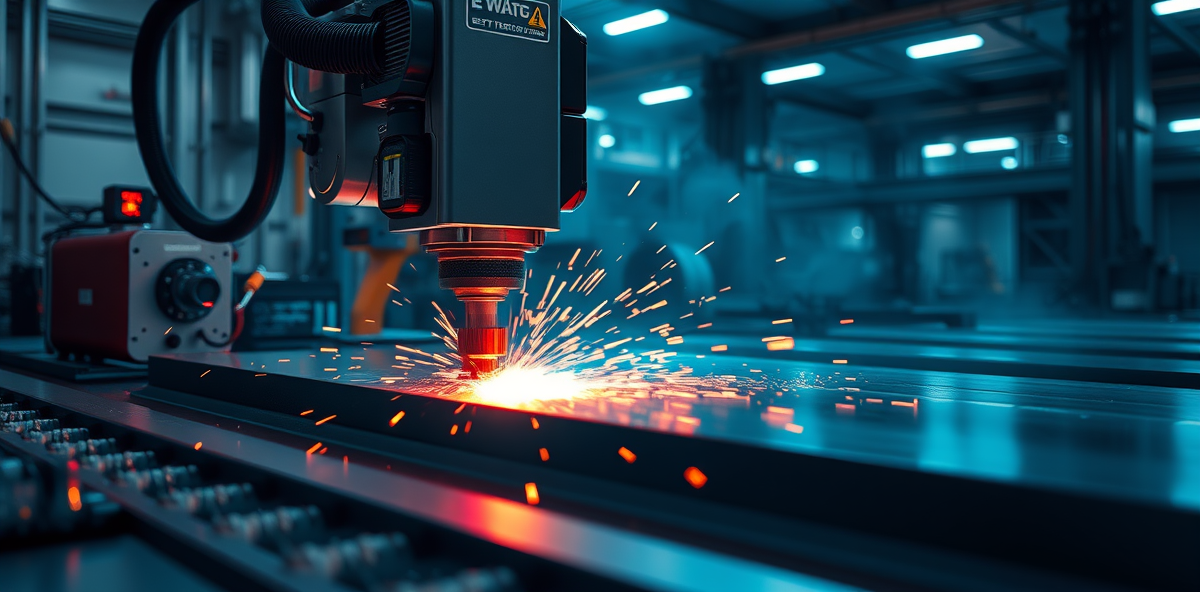
Laser cutting is a thermal cutting process that uses a focused, high-power laser beam to melt, burn, or vaporize material in a localized area. The process is guided by computer numerical control (CNC), allowing for incredibly precise and repeatable cuts. Among the various types of lasers used in manufacturing, fiber laser technology has emerged as a dominant force, especially for metal laser cutting applications.
Fiber laser cutting utilizes a solid-state laser where the active gain medium is an optical fiber doped with rare-earth elements. This design allows for a highly concentrated beam of light to be delivered to the workpiece. The intense energy of the laser beam rapidly heats the material, leading to a clean, narrow cut kerf. This technology is particularly adept at cutting a wide range of metals, including mild steel, stainless steel, aluminum, copper, brass, and even highly reflective materials, often with superior speed and efficiency compared to CO2 lasers.
The Productivity Revolution: How Laser Cutting Transforms Fabrication Shops
The adoption of laser cutting technology marks a significant leap forward in fabrication shop productivity. Its advantages are multifaceted, impacting every stage of the manufacturing process from design to finished product.
Speed and Precision
One of the most immediate and impactful benefits of laser cutting is its exceptional speed combined with unparalleled precision. Modern fiber laser cutting machines can process sheet metal at speeds far exceeding conventional methods like plasma or waterjet cutting, especially for thinner gauges. This rapid processing translates directly into higher throughput and shorter production cycles.
Furthermore, laser cutting achieves extremely tight tolerances, often ±0.001 to 0.005 inches, depending on the machine and material. This high level of accuracy ensures parts fit together perfectly, reducing assembly time and the need for rework. The non-contact nature of the process also minimizes material distortion, preserving the integrity of the workpiece.
Material Versatility
Fiber laser cutting excels in its ability to cut a diverse array of metals and thicknesses. From thin gauge stainless steel for intricate electronic components to thick structural steel for heavy machinery, a single Laser Cutting Machine can handle a broad spectrum of jobs. This versatility allows fabrication shops to accept a wider range of projects, diversify their services, and reduce the need for multiple specialized cutting machines.
The efficiency of fiber laser cutting with reflective materials like copper and brass is a significant advantage, which was a challenge for older laser technologies. This expanded material capability opens up new markets and product opportunities for fabricators.
Reduced Waste and Material Optimization
Material costs are a significant component of overall manufacturing expenses. Laser cutting significantly contributes to cost savings through optimized material utilization. Advanced nesting software, integral to a modern Laser Cutting Machine, can arrange parts on a sheet with extreme efficiency, minimizing the amount of scrap material generated. This intelligent layout dramatically reduces waste, lowering raw material procurement costs.
The narrow kerf width of the laser beam also means less material is removed during the cutting process itself, further contributing to material conservation. For high-volume production, these savings accumulate rapidly, directly improving profit margins.
Automation and Reduced Labor Costs
Modern Laser Cutting Machine are highly automated, integrated with sophisticated CNC systems and often robotic material handling solutions. This automation allows for continuous, lights-out operation, where machines can run autonomously for extended periods without constant human supervision. The result is a significant reduction in direct labor costs per part.
Operators can focus on programming, quality control, and maintenance rather than manual cutting tasks. This shift optimizes human resources and mitigates the impact of labor shortages, a common challenge in the manufacturing sector.
Complex Geometries and Design Flexibility
The precision and agility of a laser beam enable the creation of highly intricate and complex geometries that would be difficult, if not impossible, to achieve with traditional mechanical cutting methods. Laser cutting allows designers unprecedented freedom, making it possible to produce parts with sharp corners, small holes, and elaborate contours without the need for specialized tooling.
This design flexibility not only enhances the aesthetic appeal of products but also contributes to functional improvements, leading to innovative designs and differentiated products in the market. The ability to cut complex shapes quickly and accurately also accelerates product development cycles.
Improved Edge Quality and Minimal Post-Processing
Laser cutting typically produces parts with exceptionally smooth, dross-free edges that require minimal or no secondary finishing operations. This superior edge quality eliminates the time and cost associated with deburring, grinding, or cleaning, which are often necessary steps after plasma or mechanical cutting. The reduction in post-processing steps directly contributes to faster throughput and lower overall production costs.
For applications where aesthetic appearance is critical, such as architectural panels or consumer goods components, the clean finish from metal laser cutting is a major advantage.
Faster Prototyping and Time-to-Market
In today’s fast-paced market, rapid prototyping is crucial for innovation and staying ahead of the competition. Laser cutting machines excel in this area. With minimal setup time and the ability to cut directly from CAD files, prototypes can be produced quickly and cost-effectively. Designers can iterate on their designs rapidly, testing and refining products with unparalleled speed.
This accelerated prototyping process significantly shortens the time-to-market for new products, giving fabrication shops a competitive edge and allowing them to respond quickly to market demands.
Key Applications of Laser Cutting in Fabrication
The versatility and efficiency of laser cutting have made it indispensable across a multitude of industries:
- Automotive Industry: For manufacturing lightweight chassis components, interior parts, and specialized engine components with high precision.
- Aerospace Sector: Producing intricate parts from high-strength alloys, where precision and material integrity are non-negotiable.
- Medical Device Manufacturing: Creating small, highly precise components for surgical instruments, implants, and diagnostic equipment, often from exotic metals.
- Electronics Industry: Cutting enclosures, brackets, and heat sinks from various metals, ensuring tight tolerances for sensitive assemblies.
- Architectural and Construction: Fabrication of custom metal panels, decorative screens, and structural elements that demand intricate designs and aesthetic finishes.
- General Industrial Fabrication: From machine guarding and enclosures to custom brackets and fixtures, laser cutting offers a flexible solution for diverse industrial needs.
Benefits Beyond Productivity: A Holistic View
While productivity gains are a primary driver for adopting laser cutting, the technology offers a range of other benefits that contribute to a healthier, more sustainable, and more profitable fabrication operation.
Cost-Effectiveness
Beyond material savings, the long-term cost-effectiveness of a Laser Cutting Machine is evident through several factors. Reduced tooling costs, as no physical dies or punches are required, lead to significant savings. Lower energy consumption compared to some alternative cutting methods, especially with modern fiber laser cutting systems, also contributes to operational savings. The overall reliability and reduced maintenance needs of advanced laser systems further minimize downtime and associated costs.
Safety Enhancements
Worker safety is a paramount concern in any manufacturing environment. Laser cutting is a non-contact process performed within an enclosed system, greatly reducing the risk of operator injury from moving parts, sparks, or sharp edges. The automated nature of the equipment also minimizes human interaction with hazardous processes, creating a safer working environment compared to manual cutting or some open-bed systems.
Environmental Considerations
Modern laser cutting systems are increasingly designed with environmental sustainability in mind. Their energy efficiency, particularly fiber laser cutting, translates to a smaller carbon footprint. The significant reduction in material waste and scrap production also lessens the environmental impact associated with material extraction and disposal. Moreover, the absence of coolants or lubricants, which are often required in traditional machining, simplifies waste management and reduces chemical usage.
Choosing the Right Laser Equipment for Your Fabrication Shop
Selecting the ideal Laser Cutting Machine requires careful consideration of several factors to ensure it aligns with your specific production needs and business goals.
Understanding Your Needs
Before investing, clearly define your primary applications. What types of materials will you be cutting? What are the typical thicknesses? What production volumes do you anticipate? Are you focused on precision prototyping, high-volume production, or a mix? Answering these questions will guide your selection process.
Power and Wavelength Considerations
The power of the laser (measured in watts) is crucial for determining cutting speed and the maximum material thickness it can handle. Higher power translates to faster cuts and the ability to process thicker plates. Fiber laser technology, with its shorter wavelength, is particularly effective for cutting reflective metals and offers excellent energy efficiency. The choice of power should match your anticipated workload and material requirements.
Machine Size and Footprint
Consider the physical space available in your fabrication shop. Laser cutting machines come in various sizes, from compact models suitable for smaller operations to large-format systems for handling oversized sheets. Assess not only the machine’s footprint but also the space required for material loading, unloading, and maintenance access.
Software Integration
Seamless integration with CAD/CAM software is essential for maximizing efficiency. Ensure the chosen Laser Cutting Machine comes with intuitive control software and robust nesting capabilities to optimize material usage and simplify programming. Compatibility with your existing design workflow is a key factor.
Service and Support
A reliable after-sales service and support package are critical for minimizing downtime and ensuring the longevity of your investment. Look for a manufacturer or supplier that offers comprehensive training, readily available spare parts, and responsive technical assistance. This support network is invaluable for maintaining peak operational efficiency.
Why Choose Lemon Laser
When considering an investment in laser cutting technology, Lemon Laser stands as a reputable partner. With a commitment to innovation, quality, and customer satisfaction, Lemon Laser provides cutting-edge fiber laser cutting solutions engineered for high performance and reliability. Our machines are designed to deliver exceptional precision, speed, and material versatility, empowering fabrication shops to achieve unparalleled productivity. We offer robust after-sales support and expert guidance, ensuring our clients maximize their return on investment and maintain seamless operations.
Maintenance and Operational Best Practices
To ensure your Laser Cutting Machine operates at peak efficiency and extends its lifespan, adherence to regular maintenance and operational best practices is essential.
- Regular Cleaning: Regularly clean the optics (lenses, nozzles, protective windows) to prevent contamination, which can degrade beam quality and cutting performance.
- Gas Purity Checks: Ensure the assist gases (oxygen, nitrogen, compressed air) are of the correct purity and pressure. Impurities can negatively impact cut quality and machine components.
- Consumables Management: Monitor and replace consumables like nozzles and ceramics as recommended by the manufacturer. Worn-out parts can lead to poor cut quality and increased downtime.
- Software Updates: Keep your machine’s software and firmware updated to benefit from the latest features, performance enhancements, and bug fixes.
- Preventative Maintenance Schedule: Implement a strict preventative maintenance schedule, including checks of cooling systems, lubrication, and electrical components, to preempt potential issues.
The Future of Laser Technology in Manufacturing
The trajectory of laser technology in manufacturing continues to evolve rapidly. We can anticipate further advancements in power levels, enabling faster processing of even thicker and more challenging materials. Increased integration of artificial intelligence and machine learning will lead to more autonomous systems capable of self-optimization and predictive maintenance. More compact and energy-efficient designs will broaden their applicability to smaller shops and new industrial sectors.
Furthermore, laser technology is increasingly being integrated with other advanced processes, such as the combination of laser cutting with a Laser Welding Machine to create streamlined, end-to-end fabrication cells. This convergence promises even greater levels of automation, efficiency, and flexibility in future manufacturing environments.
Conclusion
Laser cutting, particularly advanced fiber laser cutting, has fundamentally transformed the landscape of fabrication shops, moving them from conventional, often labor-intensive methods to highly efficient, precise, and automated operations. The benefits—ranging from superior speed and accuracy to reduced material waste, enhanced design flexibility, and lower operational costs—are undeniable. For any fabrication shop aiming to boost productivity, improve product quality, and secure a competitive edge in today’s demanding market, investing in a Laser Cutting Machine is not just an upgrade; it is a strategic imperative. Embrace the power of metal laser cutting to unlock new levels of efficiency and profitability for your business.

