Currently Empty: ₹0.00
Unlocking Industrial Growth with Fiber Laser Technology: A Focus on Kanpur’s Manufacturing Sector
Kanpur, often hailed as the “Manchester of the East,” is a vibrant industrial hub experiencing a significant transformation. As industries strive for greater efficiency, precision, and cost-effectiveness, the adoption of advanced manufacturing technologies becomes paramount. Among these, fiber laser technology stands out as a game-changer, revolutionizing production processes across various sectors. This article delves into the profound impact of Laser Cutting Machine in Kanpur’s industrial landscape, highlighting how this innovative technology is fueling growth and competitiveness for local manufacturers.
The demand for high-quality, intricate components is ever-increasing, pushing businesses to seek solutions that can deliver superior results with minimal waste. Fiber laser cutting offers a compelling answer, providing unmatched accuracy and speed for processing a diverse range of materials. For companies in Kanpur, embracing this technology is not just about upgrading equipment; it’s about securing a future where manufacturing capabilities are enhanced, and market opportunities are expanded.
What is Fiber Laser Technology?
Fiber laser technology represents a pinnacle in laser manufacturing, employing an active gain medium of optical fibers doped with rare-earth elements like ytterbium. Unlike traditional CO2 lasers, fiber lasers generate a laser beam within an optical fiber, which is then delivered to the workpiece via a flexible fiber optic cable. This fundamental difference contributes to their superior efficiency, beam quality, and overall performance.
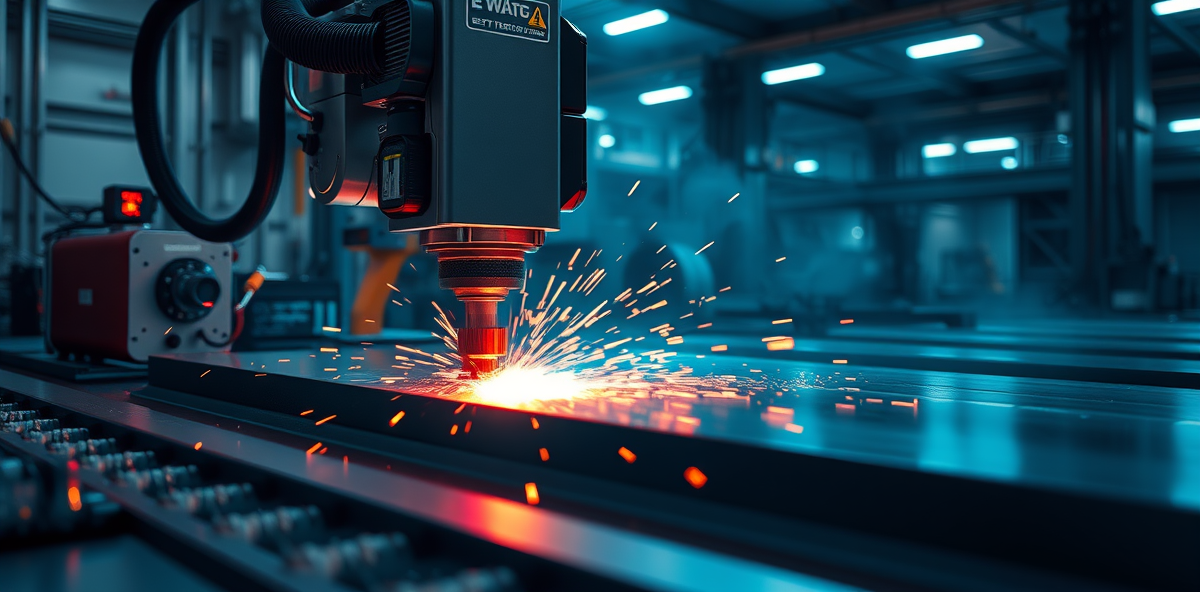
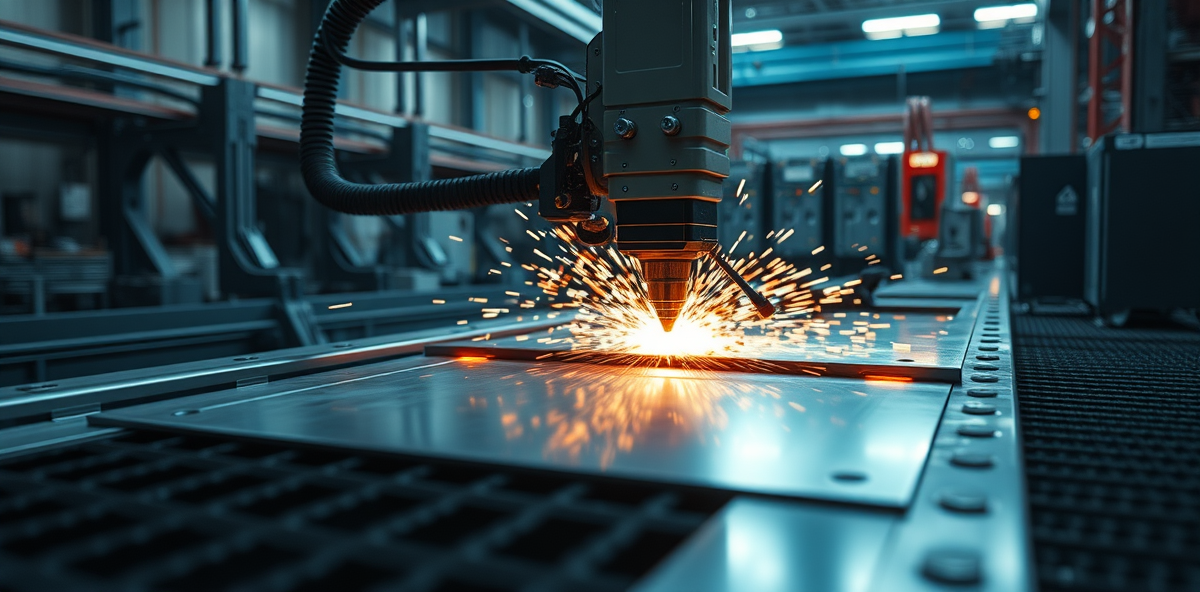
The process of Laser Cutting Machine with a fiber laser involves focusing a high-power laser beam onto the material surface. The intense energy causes the material to melt, vaporize, or burn away, creating a precise cut path. An assist gas, such as oxygen or nitrogen, is often used to blow away molten material and achieve a clean, dross-free edge. This non-contact cutting method eliminates tool wear and distortion, leading to exceptional part quality.
Key characteristics of fiber lasers include their high energy efficiency, robust solid-state design, and excellent beam quality. These attributes allow for faster cutting speeds, particularly for thinner materials, and the ability to cut highly reflective metals that are challenging for other laser types. Understanding these core principles is vital for appreciating the widespread benefits this technology brings to industrial applications.
Diverse Applications of Fiber Laser Technology in Kanpur
The versatility of fiber laser technology makes it indispensable across numerous industries within Kanpur and beyond. From heavy machinery fabrication to intricate electronic component production, the applications are vast and varied. Manufacturers are leveraging the precision of Laser Cutting Machine for a multitude of tasks, significantly improving their product quality and production efficiency.
-
Automotive Industry: Kanpur’s automotive sector benefits immensely from fiber laser cutting for manufacturing chassis components, intricate engine parts, and body panels. The ability to precisely cut high-strength steels and aluminum alloys with speed and accuracy is critical for modern vehicle production, ensuring structural integrity and weight reduction.
-
General Fabrication and Metalworking: For job shops and general metal fabricators, fiber laser technology provides an unparalleled advantage. It allows for rapid prototyping, custom part manufacturing, and high-volume production of components for various industries, including construction, agriculture, and infrastructure. Laser Cutting Machine here means quicker turnaround times and lower production costs.
-
Electronics and Electrical Components: The precision of fiber lasers is crucial for cutting delicate and small components used in the electronics industry. This includes the precise cutting of circuit boards, electrical enclosures, and thin metal sheets required for various devices. The minimal heat affected zone (HAZ) is particularly beneficial for heat-sensitive materials.
-
Textile Machinery Manufacturing: Given Kanpur’s historical textile roots, the manufacturing of textile machinery components is a vital industry. Fiber laser cutting machines are used to produce intricate parts with tight tolerances, ensuring the smooth and efficient operation of weaving, spinning, and processing equipment.
-
Aerospace and Defense: While perhaps less prominent in Kanpur, the principles apply globally: the demand for lightweight yet strong materials in aerospace and defense makes fiber laser cutting an ideal choice for processing advanced alloys with exceptional accuracy and minimal material waste. This often involves precise Laser Cutting Machine of specialized metals.
-
Signage and Artistic Metalwork: For businesses focused on decorative elements, architectural panels, and custom signage, fiber laser cutting enables the creation of complex designs and intricate patterns that would be challenging or impossible with traditional methods. This enhances aesthetic appeal and opens new creative possibilities.
The adaptability of fiber laser cutting to different materials, including stainless steel, carbon steel, aluminum, brass, and copper, positions it as a cornerstone technology for modern industrial applications. The growth in demand for high-precision components across these sectors in Kanpur underscores the strategic importance of investing in such advanced machinery.
Key Benefits of Adopting Fiber Laser Cutting Technology
Investing in fiber laser cutting technology offers a multitude of benefits that directly impact a manufacturer’s bottom line and competitive standing. These advantages extend beyond mere operational improvements, fostering innovation and enabling new production capabilities.
-
Superior Precision and Accuracy: Fiber lasers deliver exceptionally fine cut lines and tight tolerances, enabling the production of highly accurate and intricate parts. This precision is critical for industries where component exactness is non-negotiable, reducing errors and scrap rates.
-
Increased Processing Speed: Compared to conventional cutting methods and even some older laser technologies, fiber lasers offer significantly faster cutting speeds, especially for thin to medium-thick sheet metals. This translates directly into higher throughput and increased production capacity.
-
Versatility Across Materials: One of the most significant advantages of fiber laser cutting is its ability to process a wide range of materials, including highly reflective metals like copper and brass, which are challenging for CO2 lasers. It excels in metal laser cutting across various thicknesses and types.
-
Enhanced Energy Efficiency: Fiber lasers are known for their high electrical-to-optical conversion efficiency, typically around 25-30% or higher. This means lower electricity consumption compared to CO2 lasers, leading to reduced operational costs and a smaller carbon footprint.
-
Lower Maintenance Requirements: With fewer optical components and a solid-state design, fiber lasers require less maintenance and have a longer operational lifespan than traditional lasers. This minimizes downtime, reduces service costs, and ensures higher machine availability.
-
Reduced Material Waste: The narrow kerf (cut width) of a fiber laser beam and its precise control allow for optimized nesting of parts on a sheet, significantly reducing material waste. This is a critical factor for cost savings, especially when dealing with expensive raw materials.
-
Non-Contact Processing: As a non-contact process, fiber laser cutting eliminates tool wear and the need for frequent tool changes. It also prevents material deformation or damage that can occur with mechanical cutting methods, preserving the integrity of the workpiece.
These collective benefits position fiber laser technology as an indispensable asset for any manufacturing business aiming for operational excellence and sustainable growth in a competitive market like Kanpur.
How to Choose the Right Fiber Laser Cutting Equipment for Your Needs
Selecting the appropriate Laser Cutting Machine is a critical decision that impacts a company’s productivity, cost-efficiency, and future growth potential. Manufacturers in Kanpur considering this investment should evaluate several key factors to ensure they choose equipment that aligns with their specific operational requirements and business objectives.
Evaluate Power and Capabilities
The power of the fiber laser (measured in watts) is a primary consideration, directly influencing cutting speed and the maximum thickness of materials it can process. Higher power lasers cut thicker materials faster, but also come with a higher initial investment. Assess your current and future production needs:
-
Material Types and Thicknesses: Will you primarily be cutting thin sheet metal or thick plates? What types of metals (carbon steel, stainless steel, aluminum, copper, brass) will you be working with most frequently?
-
Production Volume: For high-volume production, faster machines with automation features might be necessary. For smaller batches or prototyping, a more modest power might suffice.
Consider Machine Features and Automation
Modern fiber laser cutting machines come equipped with various features that can significantly enhance productivity and ease of use:
-
Automatic Nozzle Changer: Speeds up changeovers for different materials or thicknesses.
-
Automatic Sheet Loading/Unloading Systems: Ideal for high-volume production, reducing manual labor and increasing machine uptime.
-
Dual Pallet Exchange Tables: Allows for loading new material while the machine is cutting, maximizing productivity.
-
Intuitive CNC Control Software: User-friendly interfaces reduce training time and simplify operation.
-
Safety Features: Enclosed cutting areas, interlocks, and fume extraction systems are crucial for operator safety and compliance.
Assess Budget and Return on Investment (ROI)
The initial capital expenditure for a fiber laser cutting machine can be substantial. However, it’s essential to look beyond the upfront cost and consider the long-term ROI. Factors to include in your financial analysis are:
-
Operational Costs: Energy consumption, assist gas costs, and maintenance expenses.
-
Labor Savings: Reduced manual labor due to automation and faster processing.
-
Material Savings: Minimized scrap due to precise cutting and optimized nesting.
-
Increased Revenue: Ability to take on more complex jobs, higher production volumes, and improved product quality.
Vendor Reputation and Support
Choosing a reputable supplier is as important as choosing the right machine. Look for vendors who offer:
-
Comprehensive Training: Ensures your operators can utilize the machine effectively and safely.
-
Reliable After-Sales Service and Support: Quick access to spare parts and technical assistance minimizes downtime.
-
Warranty and Guarantees: Protection against defects and assurance of machine performance.
By carefully evaluating these aspects, Kanpur manufacturers can make an informed decision, selecting a Laser Cutting Machine that not only meets their current needs but also supports their future growth and competitive edge.
Why Choose Lemon Laser for Your Fiber Laser Technology Needs
When it comes to advanced manufacturing solutions, partnering with a knowledgeable and reliable provider is crucial. Lemon Laser stands at the forefront of delivering cutting-edge fiber laser technology, tailored to meet the diverse demands of industries in Kanpur and across India. Our commitment to innovation, quality, and exceptional customer support makes us an ideal choice for businesses looking to elevate their production capabilities.
We understand the unique challenges faced by manufacturers and offer a range of high-performance Laser Cutting Machine and Laser Welding Machine designed for precision, speed, and reliability. Our machines are built with robust components and integrated with intuitive software, ensuring seamless operation and consistent results. Whether you require solutions for heavy-duty metal laser cutting or intricate component fabrication, Lemon Laser provides systems that empower your business.
Our comprehensive approach includes not only providing state-of-the-art equipment but also offering extensive pre-sales consultation and post-sales support. From helping you select the perfect machine configuration to providing expert installation, training, and ongoing maintenance, Lemon Laser is dedicated to ensuring your investment yields maximum returns. Choose Lemon Laser for a partnership that drives industrial excellence and innovation.
Maintenance and Operational Tips for Fiber Laser Systems
To maximize the lifespan, efficiency, and performance of your fiber laser cutting machine, proper maintenance and operational practices are essential. Adhering to a regular maintenance schedule not only prevents costly breakdowns but also ensures consistent high-quality output.
-
Keep the Environment Clean: Dust, debris, and fumes can negatively impact optical components and machine precision. Ensure the cutting area and surrounding environment are kept meticulously clean. Implement effective fume extraction and filtration systems.
-
Regular Cleaning of Optics: The protective glass (cover slide/window) and focusing lens should be inspected and cleaned regularly according to the manufacturer’s guidelines. Contaminated optics can lead to reduced beam quality, decreased cutting performance, and eventual damage to expensive components.
-
Check and Maintain the Cooling System: The chiller or cooling system is vital for maintaining the optimal operating temperature of the laser source and cutting head. Regularly check coolant levels, ensure filters are clean, and monitor temperature settings to prevent overheating.
-
Verify Assist Gas Purity and Pressure: The quality and pressure of assist gases (nitrogen, oxygen, compressed air) directly affect cut quality and speed. Ensure gas tanks are full, regulators are functioning correctly, and gas purity meets specifications.
-
Lubricate Moving Parts: All moving axes, rails, and gears should be regularly lubricated as per the manufacturer’s recommendations. This reduces friction, prevents wear, and ensures smooth, accurate motion of the cutting head.
-
Software Updates and Backups: Keep the machine’s control software updated to benefit from performance enhancements and bug fixes. Regularly back up machine settings and critical files to prevent data loss.
-
Operator Training: Ensure all operators are thoroughly trained not only in machine operation but also in basic troubleshooting and routine maintenance procedures. Knowledgeable operators are key to proactive maintenance and efficient workflow.
By implementing these tips, manufacturers can significantly extend the operational life of their fiber Laser Cutting Machine, reduce unscheduled downtime, and maintain high standards of production quality.
The Future of Laser Technology in Manufacturing
The trajectory of laser technology in manufacturing points towards continuous innovation and even greater integration into industrial processes. For regions like Kanpur, staying abreast of these advancements is crucial for sustained industrial competitiveness.
Enhanced Automation and AI Integration
Future laser cutting systems will feature even higher levels of automation, driven by artificial intelligence and machine learning. This will include intelligent process optimization, predictive maintenance, and autonomous material handling. AI-powered algorithms will enable machines to self-correct cutting parameters, optimize nesting patterns in real-time, and adapt to varying material conditions, further reducing human intervention and maximizing efficiency.
Development of Ultra-High Power Lasers
The trend towards higher power fiber lasers will continue, enabling faster processing of thicker materials and new applications previously out of reach. These ultra-high power systems will push the boundaries of metal laser cutting, making it more feasible for heavy industry and allowing for even more rapid production of large components.
Multi-Functional Laser Systems
The convergence of different laser applications into single, multi-functional systems is another significant development. Imagine a single machine capable of precise cutting, intricate Laser Welding Machine, and even additive manufacturing (3D printing) of metal parts. This versatility will streamline production lines and offer unparalleled flexibility to manufacturers.
Advanced Monitoring and Sensing
Next-generation laser systems will incorporate sophisticated real-time monitoring and sensing technologies. These will provide granular data on cut quality, material characteristics, and machine health, allowing for instant adjustments and ensuring optimal performance throughout the production cycle. This proactive approach will further minimize waste and enhance overall process reliability.
These future developments promise to further solidify laser technology’s role as a cornerstone of advanced manufacturing, offering unprecedented levels of precision, speed, and adaptability. Kanpur’s industrial sector, by embracing these innovations, can look forward to a future of enhanced productivity and global competitiveness.
Conclusion: Fiber Laser Technology as a Catalyst for Kanpur’s Industrial Renaissance
The integration of fiber laser technology, particularly the Laser Cutting Machine, marks a pivotal moment for industrial growth in Kanpur. This advanced manufacturing solution offers an unparalleled combination of precision, speed, versatility, and efficiency, directly addressing the evolving demands of modern industry.
For manufacturers in Kanpur, adopting fiber laser cutting means more than just acquiring new equipment; it represents a strategic investment in the future. It empowers businesses to produce higher quality components, optimize operational costs, increase production throughput, and ultimately, expand their market reach. The ability to perform complex metal laser cutting with superior results ensures that local industries can compete effectively on both national and international stages.
As the industrial landscape continues to evolve, the advantages offered by fiber laser technology will only become more pronounced. By choosing reliable partners like Lemon Laser and diligently maintaining these sophisticated systems, companies in Kanpur can harness the full potential of this revolutionary technology, driving an era of sustained industrial growth and innovation.