Currently Empty: ₹0.00
Laser Cutting Machine in Ludhiana: Powering Punjab’s Manufacturing Sector
Ludhiana, often hailed as the “Manchester of India,” stands as a vibrant industrial hub at the heart of Punjab. Its manufacturing prowess spans across diverse sectors, from automotive and bicycle components to textiles, hosiery, and agricultural machinery. To maintain its competitive edge and drive innovation, industries in Ludhiana are continually seeking advanced technologies that enhance precision, speed, and efficiency.
One such transformative technology rapidly gaining prominence is laser cutting. The adoption of the laser cutting machine is revolutionizing how metal and other materials are processed, offering unparalleled accuracy and operational benefits. This article delves into the critical role of laser technology in Ludhiana’s manufacturing sector, exploring its benefits, applications, and what businesses should consider when integrating this powerful tool.
Ludhiana’s Manufacturing Landscape: A Hub of Innovation
Ludhiana’s industrial might is built on a legacy of entrepreneurship and adaptability. The city is home to thousands of small, medium, and large-scale enterprises that contribute significantly to India’s industrial output. Key industries include bicycle manufacturing, auto parts, sewing machines, hosiery, and agricultural implements.
In these demanding environments, precision and material optimization are paramount. Traditional manufacturing methods often involve lengthy processes, higher material waste, and limitations in design complexity. This scenario creates a strong demand for modern solutions that can overcome these challenges, propelling Ludhiana’s industries into a new era of productivity and global competitiveness.
The Rise of Laser Technology in Punjab
The imperative for higher quality, faster production cycles, and reduced costs has driven manufacturers in Punjab to embrace advanced industrial solutions. Laser technology, particularly fiber laser cutting, offers a compelling answer to these needs. It allows for intricate designs, clean cuts, and rapid processing across a wide range of materials, fundamentally changing manufacturing workflows.
The integration of a laser cutting machine signifies a commitment to modern manufacturing principles. Businesses are realizing that investing in such technology is not just about upgrading equipment; it’s about enhancing their capability to meet market demands, explore new product lines, and maintain a leading position in a fiercely competitive global market.
Understanding Fiber Laser Technology
Fiber laser technology represents a significant leap forward in material processing. Unlike traditional CO2 lasers, fiber lasers utilize an active optical fiber doped with rare-earth elements as the gain medium. The laser light is generated within the fiber and then transmitted to the cutting head via a flexible fiber optic cable.
This method offers several inherent advantages, particularly for metal laser cutting. The high beam quality and shorter wavelength of fiber lasers make them exceptionally efficient at cutting reflective metals such as stainless steel, aluminum, brass, and copper, which are common in Ludhiana’s industries. This efficiency translates directly into faster processing times and lower operating costs.
What is a Laser Cutting Machine?
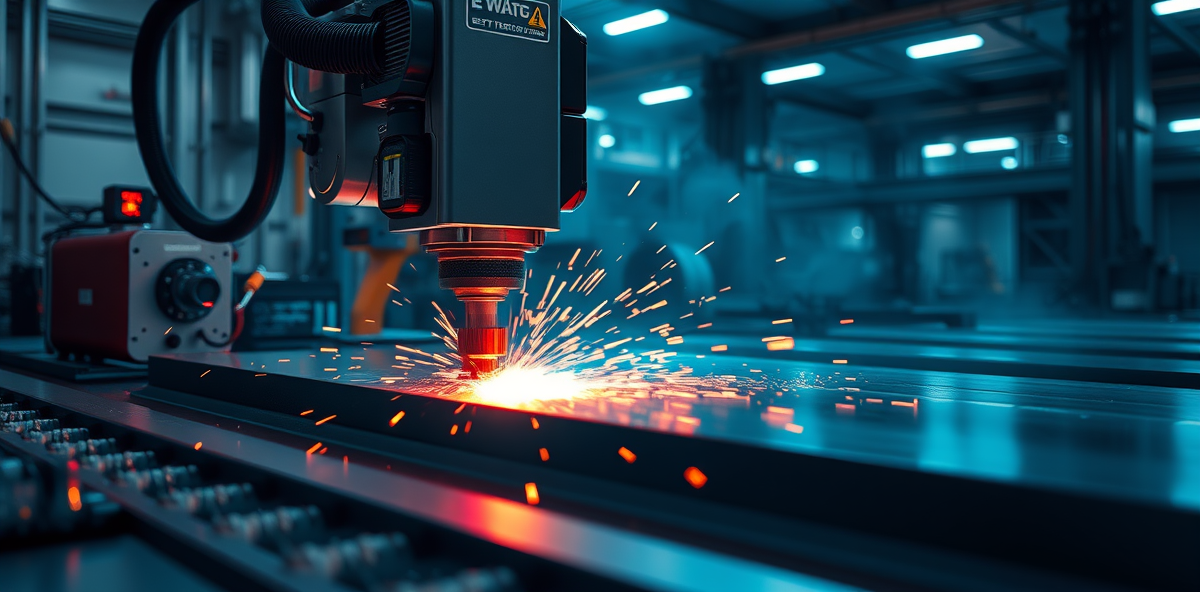
A laser cutting machine is a piece of industrial equipment that employs a focused high-power laser beam to cut materials with extreme precision. The laser beam melts, burns, or vaporizes the material, creating a clean edge. This non-contact process minimizes material distortion and provides superior edge quality compared to mechanical cutting methods.
Modern laser cutters are equipped with sophisticated CNC (Computer Numerical Control) systems. This allows for automated and highly repeatable cuts based on digital designs, ensuring consistent quality and enabling complex geometries that would be difficult or impossible with traditional tools. The versatility of a laser cutting machine makes it an indispensable asset across various manufacturing applications.
How Fiber Lasers Work
At the core of a fiber laser is a series of optical fibers that amplify light. Pump diodes inject light into the fiber, which is absorbed by the doped elements. When these elements release energy, they emit photons, which are then guided and amplified within the fiber.
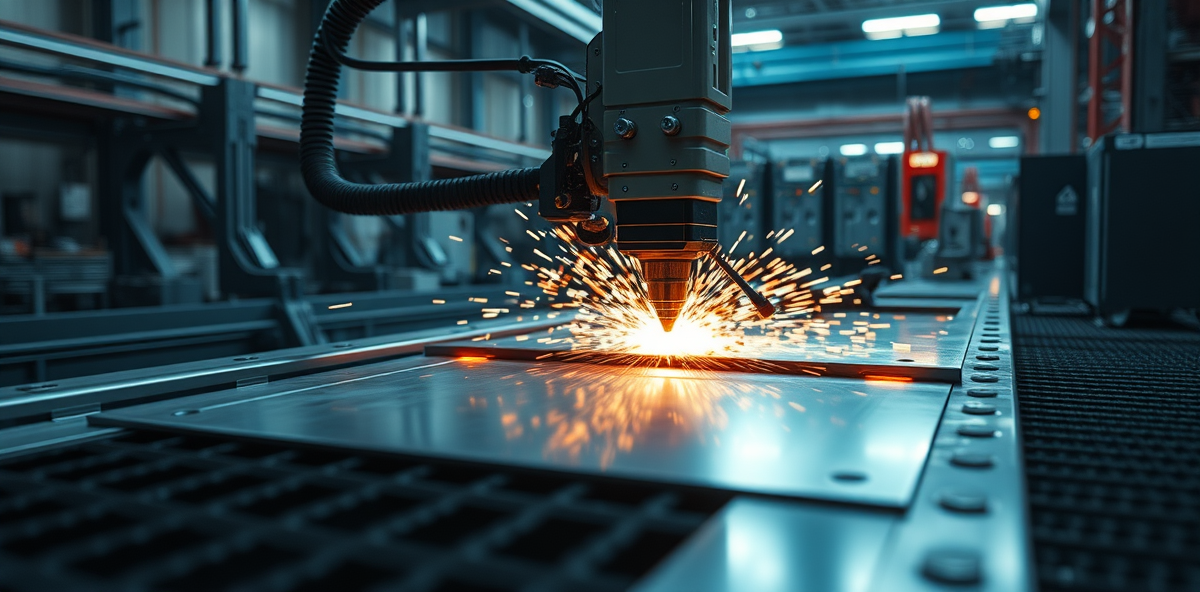
This amplified light beam is then focused through a lens onto the material’s surface. The concentrated energy rapidly heats the material to its melting or vaporization point, creating a precise cut. An assist gas, such as oxygen or nitrogen, is often used simultaneously to blow away molten material and keep the cutting area clean, ensuring a smooth finish and preventing dross formation.
Key Applications in Ludhiana’s Industries
The versatility and precision of a laser cutting machine make it invaluable across Ludhiana’s diverse manufacturing sectors. From intricate components to large structural parts, fiber laser cutting technology addresses a wide array of production needs.
Automotive Components
Ludhiana is a major hub for automotive and bicycle parts manufacturing. Fiber laser cutting is crucial for producing precision components like chassis parts, brackets, gears, and structural frames. Its ability to cut complex shapes from various metal thicknesses with high accuracy is vital for meeting the stringent quality standards of the automotive industry.
Furthermore, the speed of laser cutting significantly reduces production times, allowing manufacturers to respond quickly to market demands and streamline their supply chains. This efficiency contributes to lower manufacturing costs and improved competitiveness.
Textile and Apparel Machinery
While often associated with metal, laser technology also finds applications in the textile machinery sector. Components for knitting machines, sewing machines, and various processing equipment require high precision. Fiber laser cutting ensures that these parts are manufactured to exact specifications, contributing to the reliability and performance of the final machinery.
The clean edges produced by laser cutting reduce the need for secondary finishing processes, saving time and labor. This is a significant advantage in industries where component accuracy directly impacts machine functionality.
Agricultural Equipment
Punjab’s strong agricultural base means a robust demand for farm machinery and equipment. Components for tractors, tillers, harvesters, and irrigation systems often involve heavy gauge metal fabrication. A powerful laser cutting machine can efficiently process thick steel plates for these applications.
The durability and strength of agricultural machinery depend heavily on the quality of its components. Laser cutting provides the necessary precision and consistency, ensuring that parts fit together perfectly and withstand the rigors of demanding farm work.
General Metal Fabrication
Beyond specialized sectors, fiber laser cutting is a cornerstone of general metal fabrication shops in Ludhiana. These workshops serve a wide range of clients, producing everything from structural steel elements and custom enclosures to signage and decorative pieces. The flexibility of a laser cutting machine allows these businesses to undertake diverse projects with efficiency.
From prototype development to mass production, laser technology offers the adaptability needed in a dynamic fabrication environment. It empowers local manufacturers to take on more complex jobs and deliver higher quality products to their customers.
Unlocking the Benefits for Manufacturers
Adopting fiber laser cutting technology offers a multitude of benefits that directly impact a manufacturer’s bottom line and operational capabilities. These advantages are critical for any business looking to optimize its production processes and enhance product quality.
-
Precision and Accuracy
Fiber lasers deliver unparalleled precision, with tolerances often measured in micrometers. This level of accuracy is vital for producing intricate parts that require tight fits and consistent dimensions, reducing errors and scrap rates.
-
Speed and Efficiency
Compared to traditional cutting methods, fiber laser cutting is significantly faster, especially when processing thin to medium gauge metals. This high speed dramatically reduces production lead times, allowing for quicker turnaround on orders and increased output.
-
Cost-Effectiveness
The efficiency of fiber laser cutting leads to lower operational costs. Reduced material waste, minimal need for secondary finishing, lower power consumption compared to some alternatives, and less wear on cutting tools all contribute to significant savings over time.
-
Versatility
A single laser cutting machine can process a wide variety of materials, including different types and thicknesses of metals. This versatility means manufacturers can handle diverse projects without needing multiple specialized machines, streamlining their equipment investments.
-
Reduced Material Waste
The narrow kerf (cut width) and precise programming capabilities of laser cutters allow for optimal material utilization through efficient nesting of parts. This minimizes scrap material, which is a significant environmental and economic benefit.
-
Enhanced Design Freedom
The ability to cut complex geometries and fine features opens up new possibilities for product design and innovation. Engineers can create more intricate and functional parts, leading to superior product performance and aesthetics.
Choosing the Right Laser Cutting Machine
Selecting the appropriate laser cutting machine is a crucial decision that impacts a company’s productivity and profitability. Manufacturers in Ludhiana should carefully evaluate several factors to ensure their investment aligns with their operational needs and future growth plans.
Material Types and Thickness
Consider the primary materials you will be cutting (e.g., mild steel, stainless steel, aluminum, brass, copper) and their typical thicknesses. Different laser powers and types (fiber vs. CO2) are optimized for specific materials. Fiber lasers excel at metal laser cutting, especially for reflective materials and thinner gauges, but higher power fiber lasers can also handle thicker plates efficiently.
Power Requirements
Laser power (measured in Watts) directly influences cutting speed and the maximum material thickness a machine can process. A higher power generally means faster cuts and the ability to cut thicker materials. Assess your current and projected production volume and material requirements to determine the optimal laser power.
Table Size and Automation
The size of the machine’s working area should accommodate the dimensions of your typical workpieces. Consider also the level of automation desired, such as automatic sheet loading/unloading systems, which can significantly boost productivity, especially for high-volume operations.
Software and Control Systems
User-friendly software and intuitive control systems are essential for efficient operation. Look for machines that offer advanced nesting features for material optimization, easy programming, and compatibility with standard CAD/CAM software. Robust control systems enhance precision and ease of use.
After-Sales Support and Service
Reliable after-sales support, including installation, training, maintenance, and spare parts availability, is paramount. Downtime can be costly, so choose a supplier with a strong local presence or a reputation for excellent customer service and technical support in the Ludhiana region.
Maintenance and Operational Tips
To ensure the longevity and optimal performance of your laser cutting machine, regular maintenance and proper operational practices are essential. Adhering to these guidelines will minimize downtime, maintain cutting quality, and extend the lifespan of your investment.
-
Regular Cleaning
Dust, debris, and fumes can accumulate on optical components (lenses, nozzles) and internal parts. Regular cleaning of these elements is crucial to prevent beam degradation and ensure consistent cutting performance. Follow the manufacturer’s guidelines for cleaning procedures and recommended solutions.
-
Lens and Nozzle Inspection
Inspect cutting lenses and nozzles frequently for damage, scratches, or wear. A damaged lens can affect beam quality, while a worn nozzle can lead to poor cut quality and increased dross. Replace consumables as needed to maintain peak efficiency.
-
Gas Purity
Ensure that assist gases (oxygen, nitrogen, air) are of the correct purity specified by the machine manufacturer. Impure gases can contaminate optics and compromise cut quality, especially for critical applications like metal laser cutting.
-
Software Updates
Keep the machine’s software and firmware updated. Manufacturers often release updates that improve performance, add new features, or fix bugs. Regular updates ensure your machine operates with the latest capabilities and efficiencies.
-
Operator Training
Properly trained operators are key to efficient and safe operation. Invest in continuous training to ensure your team understands the machine’s functionalities, troubleshooting, safety protocols, and best practices for various materials and applications.
-
Cooling System Maintenance
The chiller system maintains the optimal temperature for the laser source. Regularly check coolant levels, filter condition, and ensure adequate ventilation. A well-maintained cooling system is vital for preventing overheating and ensuring stable laser output.
Future of Laser Technology in Manufacturing
The trajectory of laser technology in manufacturing points towards even greater integration, automation, and sophistication. For Ludhiana’s industries, this means continuous opportunities for growth and innovation.
-
Automation and Industry 4.0
Future laser systems will be increasingly integrated into fully automated production lines, leveraging robotics, AI, and IoT for smart manufacturing. This will enable lights-out operations and real-time process optimization, further enhancing efficiency.
-
Advanced Materials Processing
Research and development continue to expand the range of materials that can be efficiently processed by lasers. This includes composites, ceramics, and superalloys, opening new possibilities for product development in diverse sectors.
-
Sustainability
As industries focus more on environmental responsibility, laser technology’s minimal material waste, energy efficiency, and lack of harmful byproducts make it a sustainable choice. Future innovations will further enhance these green credentials.
-
Hybrid Technologies
The combination of laser cutting with other processes, such as laser welding machine or additive manufacturing, will create hybrid solutions offering unprecedented manufacturing capabilities. This holistic approach will streamline complex production cycles.
Why Lemon Laser is Your Strategic Partner in Ludhiana
Choosing the right technology partner is as critical as selecting the right laser cutting machine. Lemon Laser stands out as a leading provider, offering state-of-the-art fiber laser cutting solutions tailored for Ludhiana’s dynamic industrial landscape. Our commitment extends beyond just supplying machinery; we provide comprehensive support designed to empower your manufacturing operations.
We understand the unique demands of businesses in Punjab, from the need for high-speed metal laser cutting to reliable after-sales service. Lemon Laser offers robust, high-performance machines engineered for precision and durability, ensuring your investment delivers maximum returns. Our expert team provides thorough installation, in-depth training, and prompt technical support, ensuring seamless integration into your production workflow.
With Lemon Laser, you gain a partner dedicated to your success, offering cutting-edge technology and unwavering support to help your business thrive in Ludhiana’s competitive manufacturing sector. Our solutions are designed to enhance your efficiency, improve product quality, and drive innovation, making us the preferred choice for forward-thinking manufacturers.
Conclusion
The integration of advanced laser technology, particularly fiber laser cutting, is no longer a luxury but a necessity for manufacturers in Ludhiana aiming for excellence. It offers a powerful combination of precision, speed, efficiency, and versatility that traditional methods simply cannot match. From automotive parts to agricultural equipment, the impact of a modern laser cutting machine is transforming production processes across Punjab.
As Ludhiana continues to cement its position as a manufacturing powerhouse, embracing technologies like metal laser cutting will be key to sustained growth and global competitiveness. Investing in the right laser cutting machine, backed by reliable support, will empower businesses to unlock new possibilities, innovate their product lines, and maintain a sharp edge in the evolving industrial landscape. The future of manufacturing in Ludhiana is undoubtedly brighter, sharper, and more efficient with laser technology leading the way.