Currently Empty: ₹0.00
Transforming Tiruppur’s Textile Industry: The Power of Laser Cutting
Tiruppur, often hailed as the “Textile Valley of India,” is a bustling hub where traditional craftsmanship meets modern industrial demands. For decades, this vibrant city has been at the forefront of textile manufacturing, producing garments and fabrics that reach global markets. However, in an increasingly competitive landscape, manufacturers in Tiruppur face constant pressure to innovate, enhance efficiency, and elevate product quality. This pursuit of excellence is precisely where advanced technologies like Laser Cutting Machine are revolutionizing operations, providing unparalleled precision and speed.
The traditional methods of fabric cutting, while time-tested, often present limitations in terms of intricate design capabilities, material wastage, and production bottlenecks. As demand for complex patterns, custom designs, and high-quality finishes grows, textile manufacturers are seeking solutions that can overcome these challenges. The integration of modern laser technology offers a transformative pathway, enabling businesses to achieve superior accuracy, reduce operational costs, and significantly accelerate their production cycles.
This comprehensive guide delves into how Laser Cutting Machine technology is reshaping the textile industry in Tiruppur. We will explore the underlying principles of fiber laser technology, its diverse applications within textile manufacturing, and the myriad benefits it offers. Furthermore, we will provide crucial insights into equipment selection, maintenance, and the future of laser technology, ensuring Tiruppur’s continued leadership in textile innovation.
What is Fiber Laser Technology?
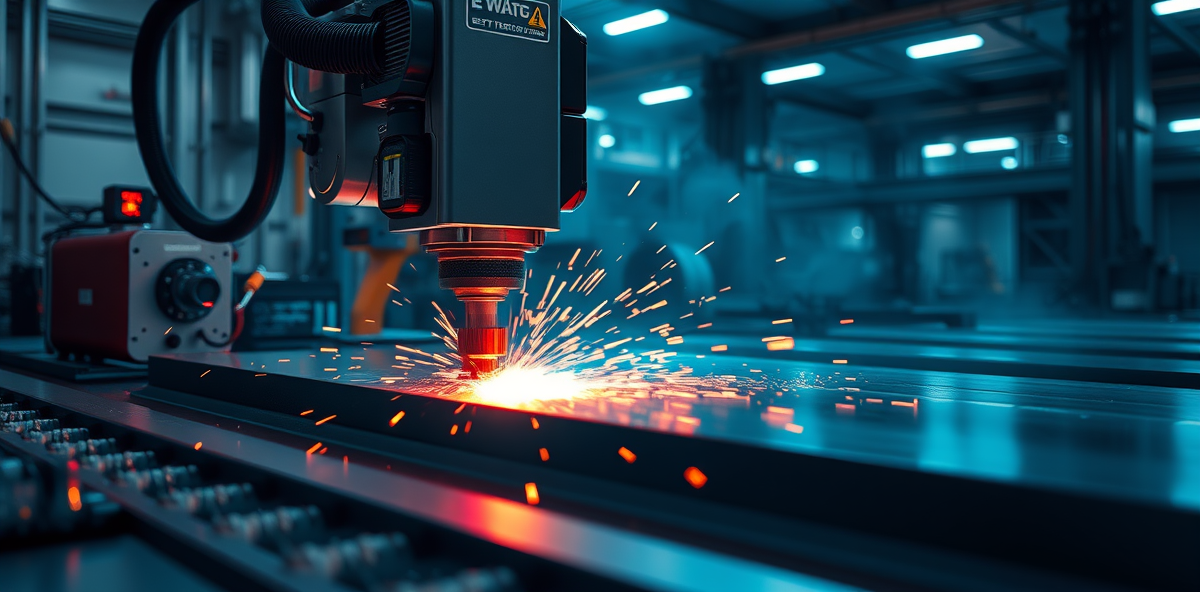
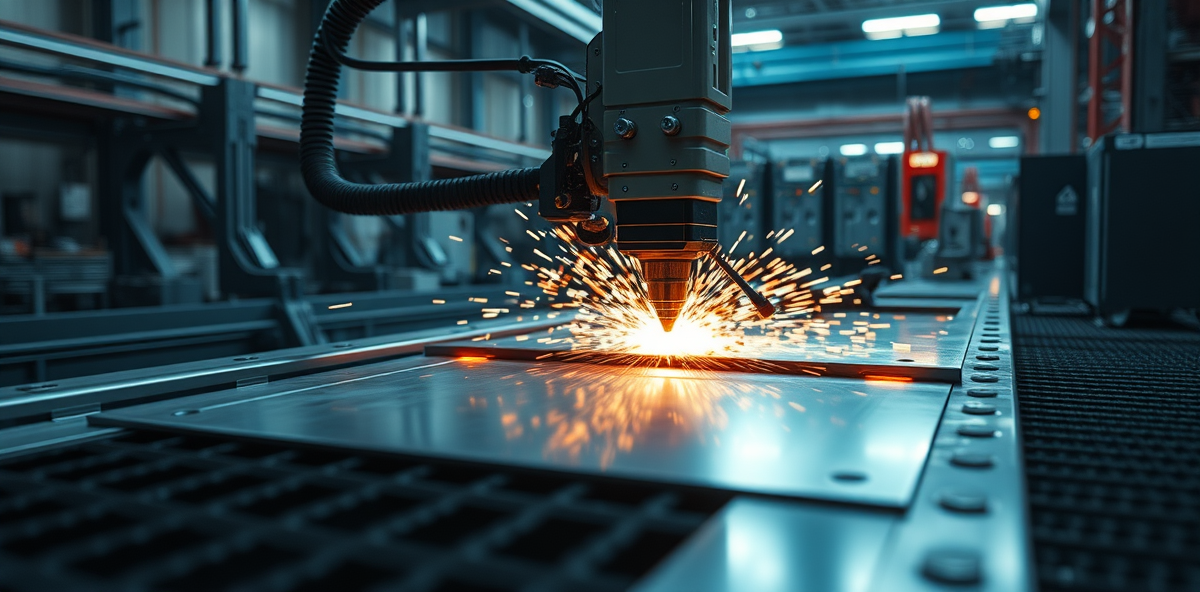
Fiber laser technology represents a significant leap forward in industrial material processing, offering distinct advantages over conventional laser systems. At its core, a fiber laser generates its laser beam within an optical fiber, which is doped with rare-earth elements like ytterbium. This fiber then guides and amplifies the light, creating a highly focused and powerful beam that is ideal for cutting, welding, and marking various materials.
Unlike CO2 lasers, which use a gas mixture and complex mirror systems, fiber lasers transmit the beam through a flexible optical fiber directly to the cutting head. This design inherently leads to several operational efficiencies, including superior beam quality, lower maintenance requirements, and higher electrical efficiency. For textile and general manufacturing applications, the precision and power density achievable with fiber laser cutting are game-changers, allowing for incredibly fine details and clean edges.
Fiber laser cutting is particularly effective across a broad spectrum of materials. While its prominence in Laser Cutting Machine is well-established, its versatility extends to various fabrics, composites, and even specific non-metallic components often used in garment accessories. The ability to achieve high accuracy and repeatability makes fiber laser technology an indispensable tool for modern manufacturing environments, enabling both delicate textile work and robust metal laser cutting applications.
Applications of Laser Cutting in Tiruppur’s Textile Industry
The adoption of Laser Cutting Machine in Tiruppur’s textile sector is driving innovation across numerous applications, moving beyond simple fabric cutting to sophisticated pattern generation and material preparation. This technology empowers manufacturers to push the boundaries of design and production efficiency.
- Precision Fabric Cutting: Laser cutters excel at processing a wide array of fabrics, from delicate silks to robust denim, synthetic blends, and technical textiles. The non-contact nature of laser cutting eliminates fabric distortion, ensuring precise, fray-free cuts crucial for materials prone to unraveling.
- Pattern and Component Cutting: For apparel manufacturing, laser systems accurately cut complex patterns for garments, sportswear, lingerie, and home furnishings. This includes intricate shapes, small components, and perforations challenging with traditional blade cutting.
- Embroidery and Appliqué Preparation: Laser technology is invaluable for preparing appliqués and embroidery components. It precisely cuts detailed shapes from various materials, providing clean edges that seamlessly integrate into finished products, reducing manual trimming.
- Technical Textiles and Composites: Laser Cutting Machine are ideal for cutting technical fabrics used in sportswear, automotive interiors, and protective gear, where precision and edge sealing are paramount. The thermal effect often seals synthetic material edges, preventing fraying.
- Prototype Development and Small Batch Production: The flexibility of laser cutting makes it perfect for creating prototypes and handling small-batch custom orders efficiently. Designers can quickly iterate designs without costly tooling changes, accelerating product development cycles.
- Leather and Synthetic Leather Cutting: Laser systems are highly effective for cutting leather and synthetic leather for accessories like belts, bags, patches, and garment details. Precision ensures minimal waste and high-quality finished components.
- Cutting of Non-Textile Garment Accessories: Some Laser Cutting Machine can also handle thin plastics, wood, or acrylics used for buttons, buckles, labels, or intricate embellishments. This versatility makes it a comprehensive solution for textile-related manufacturing.
Benefits for Tiruppur’s Textile Manufacturers
Adopting Laser Cutting Machine brings a multitude of operational and financial advantages that significantly boost the competitiveness of textile businesses in Tiruppur. These benefits extend from enhanced product quality to substantial cost reductions and accelerated market responsiveness.
- Unmatched Precision and Accuracy: Laser technology delivers exceptional cutting precision, often within microns. This translates to perfectly matched patterns, consistent sizing, and intricate detailing unattainable by manual methods. The non-contact process eliminates fabric distortion.
- Reduced Material Waste: Advanced nesting software, combined with the fine beam of a laser, allows for highly efficient material utilization. Manufacturers can optimize layouts to minimize fabric scraps, leading to significant cost savings, especially with expensive textiles.
- Increased Speed and Production Efficiency: Laser Cutting Machine operate at high speeds, dramatically reducing cutting times. This accelerated throughput directly contributes to faster production cycles and the ability to meet tighter deadlines, enhancing overall factory output.
- Versatility Across Materials: A single Laser Cutting Machine can process a vast range of materials, including cotton, silk, polyester, denim, leather, and technical textiles. This versatility eliminates the need for multiple specialized machines, streamlining operations.
- Clean and Sealed Edges: For synthetic materials, the laser’s thermal action often melts and seals edges during cutting. This prevents fraying, reduces the need for subsequent finishing processes, and improves durability and aesthetic quality.
- Automation and Reduced Labor Costs: Laser cutting systems easily integrate into automated workflows, often requiring minimal operator intervention. This reduces reliance on skilled manual cutters, lowers labor costs, and frees up personnel for other value-added tasks.
- Enhanced Design Freedom: The ability to cut virtually any shape or intricate design with high precision empowers designers to create more complex and innovative products. This opens new avenues for product differentiation and market appeal.
- Consistent Quality and Repeatability: Once programmed, a Laser Cutting Machine will deliver identical cuts every time, ensuring unparalleled consistency across batches. This repeatability is vital for maintaining brand standards and reducing rejects.
How to Choose the Right Laser Equipment for Your Textile Business
Investing in a Laser Cutting Machine is a strategic decision that requires careful consideration. For textile manufacturers in Tiruppur, selecting the appropriate equipment ensures maximum return on investment and seamless integration into existing production lines. Here are key factors to evaluate:
- Material Compatibility and Thickness: Identify the specific types of fabrics, leathers, or non-textile materials you plan to cut and their typical thicknesses. Ensure the chosen laser system is optimized for these materials to achieve desired cut quality and speed.
- Laser Power and Speed: The laser’s power output directly impacts cutting speed and maximum material thickness. Higher power translates to faster processing, crucial for high-volume production. Balance power needs with energy efficiency.
- Work Area Size: Consider the dimensions of your fabric rolls or pattern layouts. Machines are available with various bed sizes, from small formats for samples to large, automated systems with conveyor belts for continuous roll-to-roll cutting.
- Software and User Interface: Look for intuitive software allowing easy importing of CAD designs, efficient nesting of patterns, and straightforward control of cutting parameters. Compatibility with industry-standard design software is essential.
- Automation Features: Features like automatic material feeding and unloading, vision recognition for pattern matching, and automated sorting capabilities can significantly enhance productivity and reduce manual intervention.
- Beam Quality and Spot Size: A higher quality laser beam with a smaller focused spot size delivers finer cuts and sharper details, critical for intricate textile designs.
- Ventilation and Safety: Laser cutting fabrics produces smoke and potentially harmful fumes. Ensure the machine comes with an effective extraction and filtration system, and adheres to all relevant safety standards.
- Reliability and After-Sales Support: Choose a reputable manufacturer known for durable machines and excellent technical support. Prompt service, spare parts availability, and expert training are vital to minimize downtime.
- Budget and Return on Investment (ROI): While initial investment can be substantial, evaluate the long-term benefits in terms of increased production, reduced waste, improved quality, and lower labor costs. A detailed ROI analysis will justify the investment.
Why Choose Lemon Laser for Your Cutting Needs?
In the competitive landscape of industrial machinery, selecting a reliable partner is as crucial as choosing the right technology. Lemon Laser stands out as a premier provider of advanced Laser Cutting Machine, offering solutions tailored to meet the exacting demands of modern manufacturing, including the dynamic textile industry in Tiruppur.
Lemon Laser prides itself on engineering high-performance Laser Cutting Machine that embody precision, efficiency, and durability. Our commitment to innovation ensures that our fiber laser cutting technology remains at the forefront, providing businesses with the tools needed to achieve superior cut quality and optimize production workflows. We understand that each industry has unique requirements, and our machines are designed with the versatility to handle a broad range of materials, from delicate fabrics to robust metals.
What truly sets Lemon Laser apart is not just the advanced technology, but our holistic approach to customer satisfaction. We offer comprehensive support, from initial consultation and machine selection to installation, operator training, and dedicated after-sales service. Our expert team ensures that your investment continues to deliver peak performance, minimizing downtime and maximizing productivity. Whether you require sophisticated Laser Cutting Machine for intricate textile patterns or powerful Laser Cutting Machine for diverse industrial applications, Lemon Laser provides reliable solutions built for enduring success. Furthermore, our product range extends to Laser Welding Machine, offering integrated solutions for manufacturers seeking comprehensive laser processing capabilities.
Maintenance and Operational Tips for Laser Cutting Machines
To ensure the longevity, optimal performance, and consistent output of your Laser Cutting Machine, particularly in a high-demand environment like Tiruppur’s textile sector, regular maintenance and proper operational practices are essential. Neglecting these aspects can lead to costly downtime, reduced accuracy, and premature wear.
- Regular Cleaning of Optics: The laser’s lenses and mirrors are critical components. Dust, debris, and residue can impair beam quality and reduce power. Follow manufacturer guidelines for frequent, gentle cleaning using appropriate optical wipes and solutions.
- Maintain a Clean Work Area: Keep the cutting bed and surrounding area free of fabric scraps, dust, and other contaminants. A clean environment prevents particles from affecting the laser optics and ensures smooth material movement.
- Check and Clean Nozzles: The cutting nozzle is crucial for directing the assist gas and focusing the laser beam. Inspect it regularly for wear, damage, or build-up. Replace worn nozzles promptly to maintain cut quality.
- Monitor Cooling System: The laser source and optics require efficient cooling to prevent overheating. Regularly check the chiller unit’s water level, quality, and temperature. Clean the chiller’s filters to ensure proper airflow.
- Ensure Proper Ventilation and Fume Extraction: Laser cutting fabrics produces smoke and potentially harmful fumes. Verify that the exhaust system and fume extractor are functioning correctly. Clean or replace filters as recommended to maintain air quality and machine efficiency.
- Software Updates and Calibration: Keep the machine’s control software updated to benefit from performance enhancements and bug fixes. Periodically calibrate the laser system according to the manufacturer’s instructions to maintain cutting accuracy.
- Operator Training and Safety Protocols: Ensure all operators are thoroughly trained in machine operation, safety procedures, and basic troubleshooting. Emphasize the importance of wearing appropriate personal protective equipment (PPE), such as laser safety glasses.
- Scheduled Preventive Maintenance: Adhere to the manufacturer’s recommended preventive maintenance schedule. This often involves professional checks of the laser source, power supply, and mechanical components to identify and address potential issues before they cause breakdowns.
The Future of Laser Technology in Manufacturing
The trajectory of laser technology in manufacturing points towards even greater sophistication, integration, and versatility. As industries, including textiles in Tiruppur, continue their journey into Industry 4.0, the role of advanced laser systems is set to expand dramatically, driving unprecedented levels of automation and efficiency.
Future advancements in Laser Cutting Machine will likely focus on enhanced speed and power, allowing for even faster processing of thicker and more diverse materials. We can anticipate the development of smarter laser systems, integrated with artificial intelligence (AI) and machine learning (ML) algorithms. These intelligent machines will be capable of real-time parameter adjustments, predictive maintenance, and autonomous error correction, minimizing human intervention and maximizing uptime.
Further integration with robotics will create fully automated production lines, where laser cutting and other processes, such as material handling and quality inspection, are seamlessly orchestrated. Vision systems will become more advanced, enabling precise cutting of complex patterns on uneven or distorted materials with unparalleled accuracy, a significant boon for the textile industry dealing with flexible substrates.
The emergence of new laser sources and beam delivery methods will also expand the range of materials that can be processed and improve energy efficiency. For the textile sector, this could mean even finer cutting for micro-textiles, advanced sealing techniques for smart fabrics, and the ability to work with an ever-growing array of innovative composite materials. The synergy between Laser Cutting Machine and Laser Welding Machine will also facilitate more integrated manufacturing solutions, from intricate garment assembly to the construction of specialized industrial components.
Ultimately, the future of laser technology in manufacturing is about creating more adaptive, sustainable, and highly efficient production environments. It promises to empower businesses in Tiruppur and beyond to embrace innovation, respond rapidly to market changes, and maintain a competitive edge through superior quality and accelerated production.
Conclusion
The textile industry in Tiruppur is at a pivotal juncture, where embracing cutting-edge technology is no longer an option but a necessity for sustained growth and global competitiveness. The integration of Laser Cutting Machine, particularly those utilizing advanced fiber laser technology, represents a monumental leap forward, offering solutions to long-standing challenges in precision, efficiency, and material utilization.
From revolutionizing fabric pattern cutting and reducing waste to enabling the creation of intricate designs and accelerating production cycles, laser technology is empowering Tiruppur’s manufacturers to elevate their craft. The benefits are clear: superior product quality, significant cost savings, enhanced design freedom, and the ability to respond with unprecedented agility to market demands. As manufacturers seek to optimize their operations and produce higher value goods, the strategic adoption of reliable and advanced Laser Cutting Machine becomes paramount.
By carefully selecting the right equipment, adhering to best practices in maintenance, and partnering with experienced providers like Lemon Laser, textile businesses in Tiruppur can unlock the full potential of this transformative technology. The future of textile manufacturing is undoubtedly bright, with laser technology poised to continue its evolution, driving innovation and ensuring Tiruppur remains at the forefront of the global textile industry for years to come.