Currently Empty: ₹0.00
Laser Cutting vs. Plasma Cutting: Which is Better for Your Manufacturing Needs?
In the dynamic landscape of industrial manufacturing, precision and efficiency are paramount. When it comes to cutting metals, two dominant technologies stand out: laser cutting and plasma cutting. Both offer distinct advantages and are widely employed across various industries, yet choosing the right one for a specific application can be a complex decision. Understanding the nuances of each process is crucial for factory owners, engineers, and manufacturing companies aiming to optimize their production lines and achieve superior results for Laser Cutting Machine applications.
This comprehensive guide delves into the core principles, applications, benefits, and critical considerations for both laser cutting and plasma cutting. We will explore their capabilities, limitations, and operational factors to help you make an informed choice that aligns with your operational needs and budgetary constraints. By comparing these formidable metal fabrication methods, we aim to provide clarity on which technology might be the better fit for your specific industrial requirements, ultimately contributing to enhanced productivity and profitability in Laser Cutting Machine and general metal laser cutting.
What is Laser Cutting Technology?
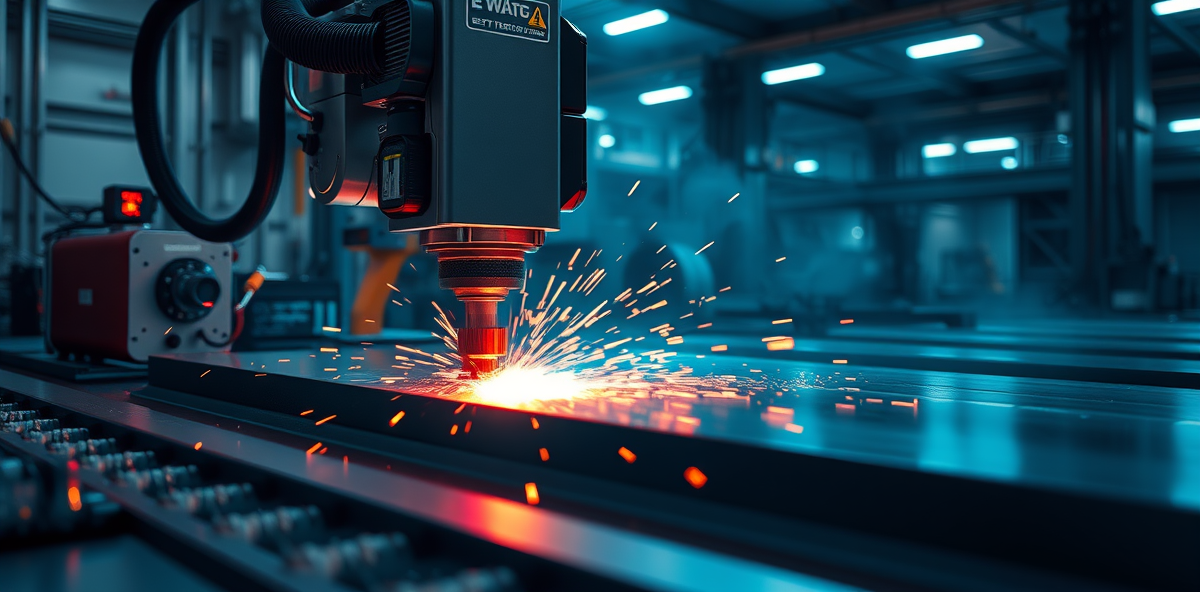
Laser cutting is a thermal cutting process that uses a highly focused, high-power laser beam to melt, burn, or vaporize material in a localized area. The beam is directed by optics and lenses, and an assist gas (like oxygen, nitrogen, or air) is often used to blow away the molten material, leaving a clean, precise cut edge. This technology is renowned for its exceptional accuracy and ability to produce intricate geometries, making it a cornerstone of modern Laser Cutting Machine.
Modern laser cutting systems primarily utilize two types of lasers: CO2 lasers and fiber lasers. While CO2 lasers were traditionally dominant, fiber laser cutting technology, particularly for metal laser cutting, has rapidly gained prominence due to its efficiency and versatility. Fiber lasers transmit the laser beam through an optical fiber, offering superior beam quality and lower maintenance compared to their CO2 counterparts. This makes Laser Cutting Machine highly effective for a wide range of materials, especially metals.
What is Plasma Cutting Technology?
Plasma cutting is a process that cuts electrically conductive materials by means of an accelerated jet of hot plasma. The plasma is created by forcing a gas (such as air, nitrogen, oxygen, or argon) through a constricted nozzle. An electric arc is then introduced to the gas, ionizing it and creating a superheated, electrically conductive stream of plasma. This plasma jet reaches extremely high temperatures, melting the metal and blowing away the molten material.
Plasma cutting is a robust and fast cutting method, particularly effective for thicker metals. It is known for its ability to cut a variety of conductive materials quickly and efficiently. While often associated with manual applications, advanced CNC plasma cutting systems provide significant automation and improved precision for industrial use.
Key Differences: Laser vs. Plasma
The choice between laser and plasma cutting often hinges on several critical factors, each presenting distinct advantages and limitations. Understanding these differences is key to selecting the optimal technology for specific manufacturing needs.
Precision and Edge Quality
-
Laser Cutting: Offers superior precision, with kerf widths typically ranging from 0.1mm to 0.5mm. The resulting cut edges are exceptionally smooth, perpendicular, and require minimal to no post-processing. This high level of accuracy is why Laser Cutting Machine, especially fiber laser cutting systems, is preferred for applications demanding tight tolerances and intricate designs.
-
Plasma Cutting: Provides good precision, but generally less refined than laser cutting. Kerf widths are wider, typically ranging from 1mm to 3mm, and cut edges often exhibit a slight bevel, dross, or slag. While modern plasma systems have improved edge quality, some secondary finishing operations might be necessary for higher quality requirements.
Cutting Speed
-
Laser Cutting: For thin to medium gauge materials, Laser Cutting Machine offers extremely high cutting speeds, making it ideal for high-volume production of sheet metal parts. The speed advantage diminishes as material thickness increases. Fiber laser cutting particularly excels in speed for thinner materials.
-
Plasma Cutting: Excels at cutting thicker materials at very high speeds. Its speed advantage becomes more pronounced when working with metals over 6mm thick, making it a highly productive choice for heavy fabrication.
Material Thickness and Type
-
Laser Cutting: Most effective on thin to medium sheets and plates, typically up to 25-30mm for steel and aluminum, and thinner for stainless steel. A Laser Cutting Machine is highly versatile, capable of cutting various metals including carbon steel, stainless steel, aluminum, copper, and brass. Some specialized laser systems can also cut non-metals. Fiber laser cutting is particularly efficient for metal laser cutting.
-
Plasma Cutting: Highly suitable for a broad range of conductive metals, particularly those with significant thickness. It can easily cut steel, stainless steel, and aluminum up to 50mm or even thicker with specialized heavy-duty systems. Plasma cutting is less effective on very thin materials due to its wider kerf and heat input.
Heat Affected Zone (HAZ)
-
Laser Cutting: Produces a very small HAZ due to the highly concentrated and localized heat input. This minimizes material distortion and preserves the metallurgical properties of the surrounding material, which is critical for precision components cut by a Laser Cutting Machine.
-
Plasma Cutting: Generates a larger HAZ compared to laser cutting, which can lead to more material distortion, especially in thinner materials. The higher heat input can also alter the material’s properties near the cut edge, which may be a concern for certain applications.
Operational Costs
-
Initial Investment: A Laser Cutting Machine typically represents a higher initial capital investment compared to a plasma cutting system of comparable size and capability. This is particularly true for high-power fiber laser cutting technology.
-
Consumables: Plasma cutting generally has higher consumable costs (electrodes, nozzles, swirl rings) due to their faster wear. Laser cutting, particularly fiber laser cutting, has fewer consumables, primarily focusing optics and assist gas, leading to lower per-part consumable costs over time.
-
Power Consumption: A Laser Cutting Machine, especially a fiber laser system, is highly energy efficient, consuming less power per unit of cut material compared to plasma for thin and medium thicknesses. Plasma cutting can be more energy intensive, especially for heavier cuts.
-
Maintenance: Fiber laser cutting systems typically require less maintenance than CO2 lasers, with longer component lifespans. Plasma systems require regular replacement of consumables and periodic maintenance of the torch and power supply.
Applications of Laser Cutting
The precision and versatility of Laser Cutting Machine make it indispensable across a multitude of industries. Its ability to create intricate designs with tight tolerances positions it as a preferred choice for high-value applications, especially in metal laser cutting.
-
Automotive Industry: Used for producing complex components for vehicle bodies, interior parts, and engine components. The precision of Laser Cutting Machine is vital for lightweighting initiatives and precise fitment.
-
Aerospace Sector: Demands extreme accuracy for aircraft components, turbine parts, and structural elements. Laser Cutting Machine is ideal for processing exotic alloys and minimizing material waste.
-
Medical Device Manufacturing: Produces small, complex parts for surgical instruments, implants, and other medical equipment where cleanliness and exact dimensions are critical.
-
Electronics Industry: Creates miniature components, intricate circuit board stencils, and housings with high accuracy.
-
Sheet Metal Fabrication: Widely used for cutting architectural elements, custom signage, enclosures, and general sheet metal parts where aesthetics and precision are important. Fiber laser cutting excels in this area.
-
Jewelry Making: For intricate designs and precision cutting of precious metals, laser technology offers unmatched detail.
Applications of Plasma Cutting
Plasma cutting, with its speed and capability for thicker materials, finds its niche in heavy-duty applications where robustness and throughput are prioritized over absolute precision.
-
Construction and Structural Steel: Used extensively for cutting beams, plates, and columns in bridge building, commercial structures, and infrastructure projects. Its speed on thick materials is a major advantage.
-
Heavy Equipment Manufacturing: Fabricating large components for agricultural machinery, mining equipment, and construction vehicles. The ability to handle thick steel plates efficiently is crucial here.
-
Shipbuilding: Essential for cutting large steel plates and profiles used in hull construction and other ship components. Large gantry plasma systems are common in shipyards.
-
Pipeline and Tank Fabrication: Used for cutting pipe sections, pressure vessels, and large storage tanks where material thickness is substantial.
-
Automotive Aftermarket and Repair: Often employed in custom fabrication shops, body shops, and repair facilities for quickly cutting and modifying metal parts.
-
General Fabrication Shops: A versatile tool for job shops that handle a wide range of metal thicknesses and prioritize speed and cost-effectiveness for many applications.
Benefits of Laser Cutting
The advantages of adopting laser cutting technology, particularly fiber laser cutting, are numerous and impactful for modern manufacturing.
-
High Precision and Accuracy: Delivers extremely tight tolerances and intricate geometries, reducing the need for secondary operations.
-
Superior Edge Quality: Produces smooth, clean, and dross-free cuts with minimal heat affected zone (HAZ), preserving material integrity.
-
Versatility in Materials: Capable of cutting a wide array of metals and some non-metals, with excellent results on reflective materials like copper and brass, especially with fiber laser cutting.
-
Minimal Material Distortion: Localized heat input prevents significant warping, critical for thin gauges and precision parts.
-
Reduced Material Waste: The fine kerf width allows for closer nesting of parts, optimizing material utilization and reducing scrap.
-
High Automation Potential: Easily integrated into automated production lines, enabling unmanned operation and increased throughput.
-
Lower Consumable Costs (Fiber Laser): Fiber laser cutting systems generally have very low consumable costs and high energy efficiency, contributing to lower operating expenses over time.
Benefits of Plasma Cutting
Plasma cutting offers its own set of compelling benefits, especially for heavy industrial applications.
-
High Speed on Thick Materials: Unmatched cutting speed for thicker metals, leading to high productivity in heavy fabrication.
-
Lower Initial Investment: Generally, plasma cutting systems are more affordable to purchase than equivalent Laser Cutting Machine, making them accessible for a wider range of budgets.
-
Versatility in Material Thickness: Excellent for cutting a very wide range of metal thicknesses, from relatively thin to very thick plates.
-
Robustness and Durability: Plasma systems are often built to withstand harsh industrial environments and demanding use.
-
Ability to Cut Rusted or Painted Metal: Less sensitive to surface conditions, making it suitable for cutting materials with rust, paint, or scale without significant performance degradation.
-
Portability: Many plasma cutting units are portable, offering flexibility for on-site cutting and repair work, though industrial CNC systems are stationary.
How to Choose the Right Cutting Equipment
Selecting between laser and plasma cutting requires a careful evaluation of several factors pertinent to your specific manufacturing environment and product requirements. A thorough analysis will ensure an optimal investment.
Material Type and Thickness
Consider the primary materials you will be cutting and their typical thicknesses. If you frequently work with thin to medium gauge carbon steel, stainless steel, aluminum, copper, or brass, and require high precision, a Laser Cutting Machine is likely the better choice. For consistently thick plates (over 6mm-10mm) of steel, stainless steel, or aluminum, where speed on heavy gauge material is critical, plasma cutting becomes highly competitive. Fiber laser cutting offers superior performance for metal laser cutting, especially with reflective metals.
Precision and Edge Quality Requirements
For applications demanding exceptionally smooth edges, minimal distortion, and tight tolerances (e.g., aerospace, medical devices, intricate aesthetic parts), laser cutting is the undisputed leader. If your parts can tolerate a slight bevel or require minor secondary finishing, and precision needs are less stringent, plasma cutting offers a cost-effective alternative. Assess whether post-processing costs would negate the initial savings of a plasma system.
Production Volume and Speed
For high-volume production of intricate parts from thin sheets, the speed and automation capabilities of a Laser Cutting Machine can lead to significantly higher throughput. When dealing with large, thick plates and high production demands where speed is paramount, an advanced plasma cutting system can offer superior processing times. Consider your typical job sizes and turnaround expectations.
Operating Costs and Initial Investment
Evaluate both the upfront cost of the equipment and the ongoing operational expenses. While the initial investment for a Laser Cutting Machine is generally higher, especially for high-power fiber laser cutting systems, its lower consumable costs, higher energy efficiency, and reduced post-processing can lead to lower total cost of ownership over time. Plasma systems have a lower entry cost but higher consumable expenses and potentially higher electricity consumption for equivalent work, depending on material thickness.
Integration with Existing Workflow
Consider how the new cutting system will integrate into your existing manufacturing workflow. Both technologies can be automated with CNC control, but the level of automation and required operator skill sets can vary. Assess the space available, power infrastructure, and ventilation needs for each type of machine. Ensure that the chosen system can seamlessly fit into your production line and support your current and future manufacturing strategies. If you also perform Laser Welding Machine, a common control system or integration with existing software might be beneficial.
Maintenance and Operational Tips
Regardless of whether you choose laser or plasma, proper maintenance and operational practices are crucial for maximizing machine lifespan, ensuring consistent quality, and maintaining safety.
-
Regular Cleaning: Keep optics (for laser) and consumables (for plasma) clean and free from debris. Dust and splatter can degrade performance and lead to costly damage.
-
Consumable Management: For plasma, regularly inspect and replace electrodes and nozzles as needed to maintain cut quality and speed. For laser, monitor lens and nozzle condition.
-
Preventative Maintenance: Adhere to the manufacturer’s recommended maintenance schedule. This includes checking fluid levels, filters, and inspecting moving parts for wear. Proper maintenance extends the life of your Laser Cutting Machine or plasma system.
-
Optimized Parameters: Use correct cutting parameters (speed, power, gas pressure, focal length) for each material and thickness to achieve optimal cut quality and efficiency. Consult material databases and perform test cuts.
-
Safety Protocols: Implement strict safety procedures, including proper ventilation, eye protection, and fire prevention measures. Both laser and plasma cutting involve intense light, heat, and fumes.
-
Operator Training: Ensure operators are thoroughly trained on machine operation, maintenance, and safety protocols to prevent errors and ensure efficient use. Investing in proper training for your Laser Cutting Machine or plasma system operators is essential.
The Future of Laser Technology in Manufacturing
The trajectory of laser technology in manufacturing points towards even greater precision, speed, and intelligence. Advancements in fiber laser cutting, particularly in increasing power outputs and improving beam delivery systems, are pushing the boundaries of what’s possible for metal laser cutting. Integration with artificial intelligence and machine learning is enabling predictive maintenance, autonomous operation, and real-time optimization of cutting parameters. We can expect to see further developments in cutting ever thicker and more exotic materials with laser technology, expanding its application across heavy industries. The synergy with other advanced processes, such as Laser Welding Machine, will also continue to grow, offering comprehensive laser-based fabrication solutions.
Conclusion
The decision between laser cutting and plasma cutting is not about one being inherently “better” than the other, but rather about which technology is best suited for your specific manufacturing challenges and objectives. Laser cutting, particularly fiber laser cutting, stands out for its unmatched precision, superior edge quality, and efficiency on thin to medium gauge metals and intricate designs. It is the preferred choice for industries where high accuracy, minimal post-processing, and material integrity are paramount, making it ideal for metal laser cutting applications.
Conversely, plasma cutting offers a robust, cost-effective, and rapid solution for cutting thicker, electrically conductive materials. Its strength lies in high-volume throughput for heavy fabrication, where a slight reduction in edge precision is acceptable in favor of speed and lower initial investment. Many manufacturing facilities find value in utilizing both technologies, leveraging the strengths of each for different applications. By carefully evaluating your material requirements, precision needs, production volume, and budgetary considerations, you can confidently select the cutting solution that will drive efficiency, quality, and profitability for your operations.