Currently Empty: ₹0.00
Unlocking Longevity and Precision: A Comprehensive Guide to Laser Cutting Machine Maintenance & Troubleshooting
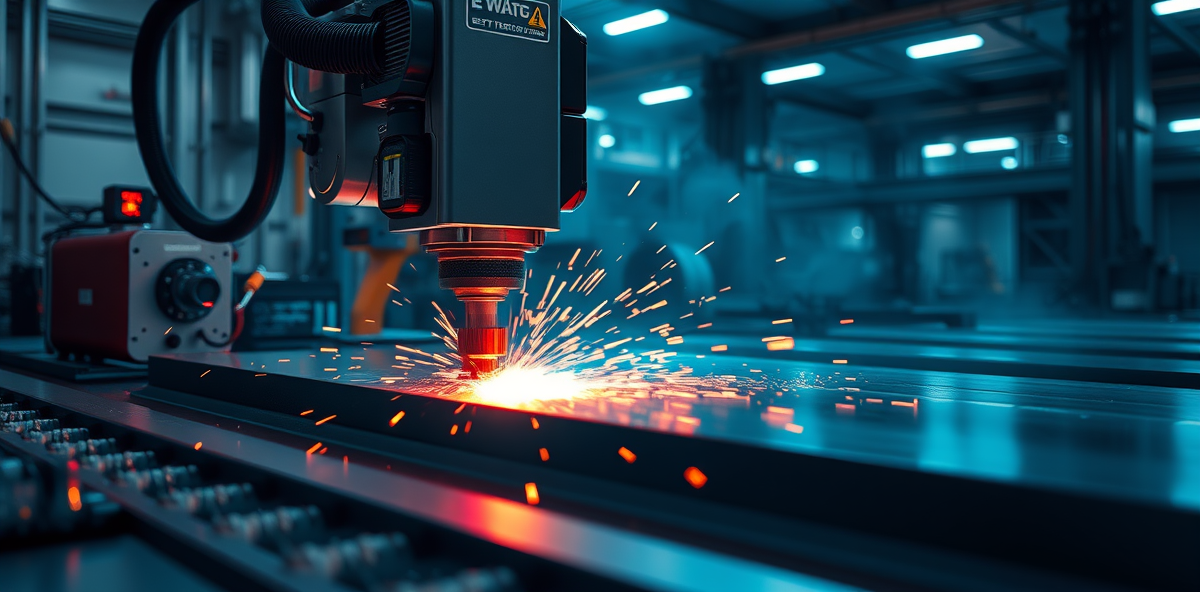
In the dynamic world of modern manufacturing, Laser Cutting Machine technology stands as a cornerstone of precision, efficiency, and versatility. From intricate prototypes to large-scale industrial components, these machines empower businesses to achieve unparalleled accuracy in metal fabrication. However, like any sophisticated industrial equipment, the optimal performance and longevity of your Laser Cutting Machine are directly tied to diligent maintenance and effective troubleshooting. Neglecting these aspects can lead to costly downtime, compromised product quality, and significantly reduced operational lifespans. This comprehensive guide is designed for engineers, factory owners, and manufacturing companies seeking to master the art of Laser Cutting Machine maintenance, ensuring continuous peak performance and a robust return on investment.
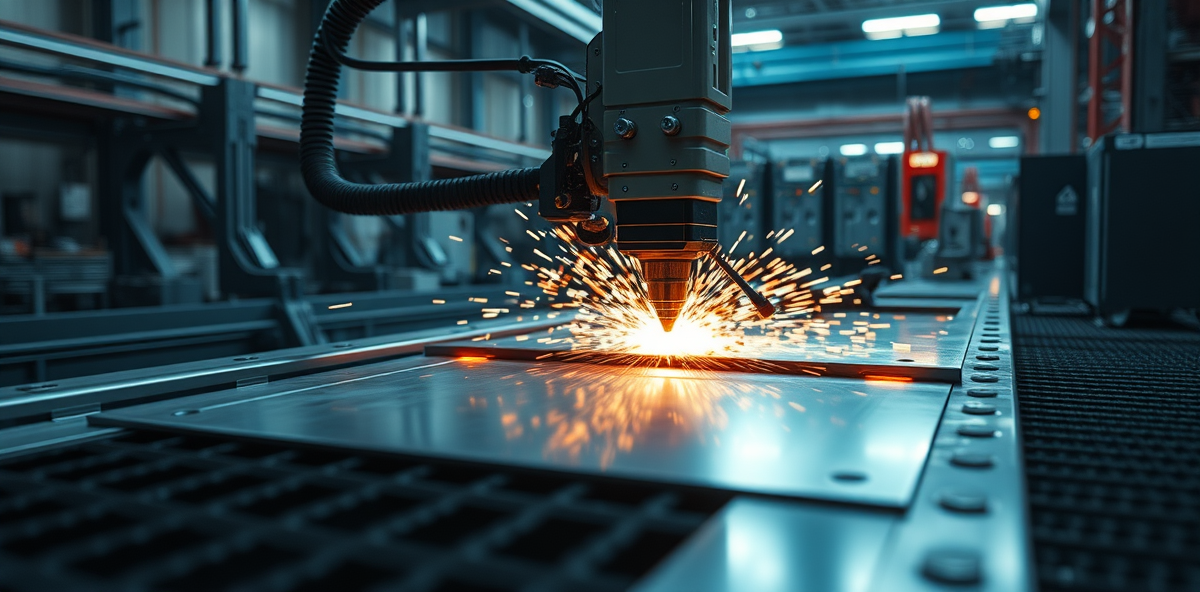
Understanding the intricate workings of a Laser Cutting Machine is the first step towards effective maintenance. Primarily, modern industrial operations rely heavily on fiber laser cutting technology due to its superior efficiency, reliability, and precision, particularly in metal laser cutting applications. These machines utilize a high-powered laser beam, guided by advanced optics, to precisely cut various materials with minimal heat distortion. Maintaining the integrity of this beam path, the laser source itself, and the numerous auxiliary systems is paramount for consistent, high-quality output.
The Indispensable Role of Laser Cutting Machine Maintenance
Proactive maintenance is not merely a task; it is a strategic imperative for any manufacturing facility operating a Laser Cutting Machine. The benefits extend far beyond simply keeping the machine running. Regular and systematic maintenance practices safeguard your investment, enhance operational efficiency, and contribute significantly to your bottom line.
- Extends Equipment Lifespan: Diligent maintenance routines, focusing on critical components, prevent premature wear and tear, significantly extending the operational life of your Laser Cutting Machine. This maximizes your return on capital expenditure.
- Ensures Consistent Cut Quality: Precision cutting requires a perfectly calibrated and clean system. Regular checks on optics, nozzles, and beam alignment ensure that every cut meets the highest quality standards, minimizing scrap and rework. This is particularly crucial for intricate metal laser cutting tasks.
- Reduces Downtime and Operational Costs: Unscheduled breakdowns are costly, leading to production delays, missed deadlines, and expensive emergency repairs. Preventive maintenance identifies potential issues before they escalate, drastically reducing unexpected downtime and the associated expenses.
- Enhances Safety: A well-maintained Laser Cutting Machine is a safer machine. Regular inspections of safety interlocks, electrical components, and exhaust systems protect operators and the working environment from potential hazards.
- Maintains Warranty Validity: Most manufacturers require adherence to a specified maintenance schedule to keep warranties valid. Documenting your maintenance activities is essential for any future warranty claims.
Key Components and Their Maintenance Needs for Optimal Fiber Laser Cutting Performance
A typical Laser Cutting Machine is a complex integration of various subsystems, each requiring specific attention. Understanding these components and their individual maintenance requirements is fundamental to an effective maintenance strategy for fiber laser cutting.
Laser Resonator/Source (Fiber Laser)
The heart of a modern Laser Cutting Machine is often a fiber laser source, renowned for its robustness and minimal maintenance requirements compared to older CO2 lasers. While the fiber laser unit itself is largely sealed and does not typically require user-level internal maintenance, its performance hinges on a clean environment and stable operating conditions.
- Environmental Control: Ensure the operating environment is free from excessive dust, humidity, and extreme temperatures. These factors can impact the efficiency of the cooling system and the integrity of external connections.
- Cooling System: The laser source generates heat that must be effectively dissipated by a dedicated chiller. Regular monitoring of chiller temperature and coolant flow is crucial to prevent overheating, which can degrade laser performance and lifespan.
- Electrical Connections: Periodically inspect power cables and signal connections for wear or looseness. Secure connections are vital for stable power delivery to the laser source.
Optics (Lenses, Mirrors, Protective Windows)
The optical system directs and focuses the laser beam onto the workpiece. Contaminated or damaged optics are a primary cause of reduced power, poor cut quality, and potential damage to the laser head.
- Protective Window: This is the outermost optical component, shielding the internal focusing lens from debris. It should be inspected daily for spatter, dust, or scratches and cleaned or replaced as needed. Use only approved optical cleaning materials and methods.
- Focusing Lens: Responsible for concentrating the laser beam. Its cleanliness and integrity are paramount for achieving a precise focal point. Check for cloudiness, scratches, or burns during regular maintenance. Cleaning typically requires specialized techniques and environments.
- Beam Delivery System: For machines with external beam paths (less common in pure fiber designs, but relevant for some hybrid systems or internal components), mirrors and other beam guides must be kept meticulously clean.
- Cleaning Protocol: Always use lint-free optical wipes and approved optical cleaning solutions. Avoid touching optical surfaces with bare hands. Follow manufacturer guidelines precisely.
Nozzle and Consumables
The nozzle is the final point of laser beam exit and assist gas delivery. Its condition directly impacts cut quality and efficiency, especially in metal laser cutting.
- Nozzle Inspection and Cleaning: Inspect the nozzle daily for wear, blockages, or spatter. A worn or damaged nozzle will result in poor gas flow and an irregular cut. Clean any buildup and ensure the nozzle aperture is perfectly concentric with the laser beam.
- Nozzle Replacement: Nozzles are consumables and have a limited lifespan. Replace them regularly based on usage and observed wear, even if they appear superficially clean.
- Ceramic Ring/Insulator: This component isolates the nozzle electrically and helps with collision detection. Inspect for cracks or damage that could lead to electrical short circuits or inaccurate height sensing.
- Assist Gas Purity: The quality of the assist gas (oxygen, nitrogen, or air) is critical. Impurities can contaminate optics and affect cut quality. Ensure gas tanks are full and filters in the gas lines are clean.
Chiller System
The chiller maintains the optimal operating temperature for the laser source, optics, and sometimes the laser head. A malfunctioning chiller can quickly lead to laser shutdown or damage.
- Coolant Level and Quality: Check the coolant level regularly and top up with distilled or deionized water as specified by the manufacturer. Monitor coolant quality for discoloration or algae growth, which indicates a need for replacement and system flushing.
- Filter Cleaning/Replacement: Clean or replace the chiller’s air filters and coolant filters periodically to ensure efficient heat exchange and prevent blockages.
- Temperature and Pressure Monitoring: Regularly check the chiller’s display for temperature and pressure readings. Deviations from normal operating parameters can signal an impending issue.
Dust Collection System
Effective fume and dust extraction is vital for operator health, machine cleanliness, and preventing airborne particles from contaminating optics.
- Filter Inspection and Replacement: Check and clean the dust collector filters regularly. Clogged filters reduce airflow, allowing smoke and debris to accumulate within the machine area. Replace filters as per the manufacturer’s schedule or when efficiency drops.
- Ductwork and Bins: Inspect ductwork for leaks or blockages. Empty dust collection bins frequently to maintain optimal suction.
Motion System (Gantries, Motors, Rails)
The motion system ensures precise and repeatable positioning of the laser head. Any issues here can lead to inaccurate cuts, uneven lines, or vibrations.
- Lubrication: Apply appropriate lubricants to linear guides, ball screws, and gears as recommended by the manufacturer. Proper lubrication reduces friction and wear.
- Cleaning: Keep linear rails, racks, and pinions free of dust, debris, and metal spatter. Accumulations can hinder smooth movement and accelerate wear.
- Belt Tension/Alignment: For belt-driven systems, check belt tension and ensure motors are properly aligned. Loose or misaligned components can cause backlash and inaccuracies.
- Limit Switches and Sensors: Inspect and clean limit switches and proximity sensors to ensure they are functioning correctly and not obstructed.
Electrical System
The electrical system powers and controls the entire Laser Cutting Machine. Regular checks can prevent costly electrical failures and ensure safe operation.
- Connection Integrity: Periodically inspect all electrical connections and cables for signs of wear, fraying, or looseness. Tighten any loose terminals.
- Control Cabinet Cleanliness: Keep the control cabinets clean and free of dust, which can act as an insulator and lead to overheating of components. Ensure proper ventilation.
- Grounding: Verify that the machine is properly grounded to prevent electrical hazards and ensure stable electronic operation.
Establishing a Robust Preventive Maintenance Schedule for Your Laser Cutting Machine
A structured approach to maintenance is key. Implementing a schedule ensures all critical areas are addressed systematically, moving from daily checks to less frequent, more comprehensive overhauls. This prevents small issues from escalating into major problems, crucial for continuous metal laser cutting operations.
Daily Checks
- Inspect and clean the protective window of the laser head.
- Check the condition and concentricity of the cutting nozzle.
- Verify chiller coolant levels and temperature readings.
- Empty dust collector bins and check for proper airflow.
- Clean the machine bed and surrounding work area.
- Visually inspect for any unusual leaks or sounds.
Weekly Checks
- Clean the internal optics of the laser head (if accessible and according to manufacturer guidelines).
- Check assist gas purity, pressure, and ensure no leaks in the gas lines.
- Wipe down linear guides and rails to remove accumulated debris.
- Inspect cables and hoses for any signs of wear or damage.
Monthly Checks
- Lubricate linear guides, ball screws, and other motion system components.
- Inspect and clean the dust collector filters.
- Verify the focus position and potentially the beam alignment (if applicable and safely done).
- Check the condition of the slats on the cutting bed and replace damaged ones.
Quarterly/Bi-Annual Checks
- Perform a thorough cleaning of the chiller’s condenser and evaporator coils.
- Inspect the entire beam path and all optical components for damage or contamination (best done by a trained technician).
- Conduct a comprehensive inspection of the motion system, including belt tension and motor alignment.
- Check all safety interlocks and emergency stop buttons for proper functionality.
Annual Checks
- Schedule a professional service visit from your Laser Cutting Machine supplier or a certified technician.
- Full system calibration and diagnostic checks.
- Replacement of major filters (air, coolant, dust collector).
- Detailed inspection and potential replacement of worn consumables and critical components.
- Replacement of chiller coolant and thorough system flushing.
Common Troubleshooting Scenarios for Laser Cutting Machines
Despite diligent maintenance, operational issues can arise. Knowing how to diagnose and address common problems quickly can minimize downtime and save significant repair costs. Here are some frequent scenarios and their initial troubleshooting steps for fiber laser cutting systems.
Poor Cut Quality (Burrs, Dross, Incomplete Cuts, Rough Edges)
- Nozzle Issues: Check if the nozzle is worn, damaged, or blocked. Ensure it is centered correctly with the laser beam. Replace if necessary.
- Optics Contamination: Inspect the protective window and focusing lens for dirt, spatter, or scratches. Clean or replace as needed.
- Assist Gas Problems: Verify assist gas purity, pressure, and flow rate. Low pressure or contaminated gas will significantly degrade cut quality. Ensure gas filters are clean.
- Cutting Parameters: Review and adjust cutting speed, laser power, focus position, and frequency/duty cycle. Incorrect parameters for the material thickness or type are a common cause of poor quality in metal laser cutting.
- Material Quality: Ensure the material itself is clean, flat, and free of defects or excessive rust.
Machine Errors or Stoppages
- Error Codes: Consult the machine’s operator manual for specific error codes displayed on the control panel. These codes often point directly to the problematic subsystem.
- Safety Interlocks: Check if safety doors are properly closed, emergency stop buttons are disengaged, or other safety sensors (e.g., collision detection) have been triggered.
- Power Supply: Verify stable power supply to the machine and all its components (laser source, chiller, control unit).
- Cooling System: An alarm from the chiller indicating high temperature or low flow will often stop the laser to prevent damage.
Reduced Laser Power or No Laser Output
- Dirty Optics: The most common cause. Thoroughly inspect and clean or replace the protective window and focusing lens.
- Chiller Malfunction: Ensure the chiller is running correctly and maintaining the set temperature. Low coolant flow or high temperature will reduce laser power or shut it down.
- Fiber Optic Cable Damage: For fiber laser cutting, a damaged fiber optic cable from the source to the laser head can significantly reduce or block power. This requires professional service.
- Laser Source Issue: If all other checks fail, the laser source itself may be malfunctioning, requiring specialized diagnostic and repair from the manufacturer.
Gantry or Motion System Problems
- Jerky Movement/Noise: Clean and lubricate linear guides and rails. Check for debris obstructing the motion path.
- Inaccurate Positioning/Non-parallel Cuts: Inspect belt tension, motor alignment, and encoder feedback. Ensure gears and racks are clean and properly meshed.
- Collision Detection: If the laser head collides with material or an obstacle, the system will usually stop. Check for physical damage and recalibrate if necessary.
Assist Gas Delivery Problems
- Low Gas Pressure: Check the gas tank level and regulator settings. Ensure there are no leaks in the gas supply lines.
- Gas Contamination: Replace gas line filters. If using compressed air, ensure the air dryer and filters are functioning correctly.
Best Practices for Optimal Laser Cutting Machine Performance
Beyond routine maintenance and troubleshooting, several best practices contribute to maximizing the efficiency, reliability, and lifespan of your Laser Cutting Machine, especially for demanding metal laser cutting tasks.
- Operator Training: Ensure all operators are thoroughly trained not only in machine operation but also in basic daily maintenance, safety protocols, and initial troubleshooting steps. Knowledgeable operators are your first line of defense against issues.
- Use High-Quality Consumables: Always use manufacturer-recommended or high-quality compatible nozzles, protective windows, and assist gases. Cheap alternatives often lead to inferior performance and increased wear.
- Maintain a Clean Workshop: A clean environment minimizes the ingress of dust and debris into the machine’s sensitive components, protecting optics and motion systems.
- Regular Software Updates: Keep the machine’s control software and firmware updated. Manufacturers often release updates that improve performance, add features, or fix bugs.
- Document Everything: Maintain detailed logs of all maintenance activities, parts replacements, and troubleshooting steps. This historical data is invaluable for diagnosing recurring issues and optimizing future maintenance schedules.
- Proactive Part Replacement: Don’t wait for a component to fail entirely. Based on historical data and manufacturer recommendations, consider proactive replacement of high-wear consumables and critical parts.
Choosing the Right Service Partner & Equipment: Why Lemon Laser Stands Out
The reliability of your Laser Cutting Machine isn’t just about internal maintenance; it’s also about the support you receive. Choosing a reputable manufacturer known for robust equipment and excellent after-sales service is paramount. Lemon Laser is committed to providing not only cutting-edge fiber laser cutting technology but also comprehensive support that ensures the long-term success of your manufacturing operations.
Our Laser Cutting Machines are engineered for durability, precision, and ease of maintenance, incorporating high-quality components designed for demanding industrial environments. We understand that downtime is costly, which is why our machines are built for reliability and our customer service team is equipped to provide expert guidance on everything from routine Laser Cutting Machine maintenance to complex troubleshooting. Furthermore, our product range often includes advanced features that simplify operational tasks and diagnostic procedures. For businesses requiring a comprehensive solution, we also offer state-of-the-art Laser Welding Machines, complementing your fabrication capabilities with equally robust and reliable technology.
The Future of Laser Cutting Machine Maintenance in Manufacturing
The landscape of industrial maintenance is evolving rapidly, driven by advancements in technology. The future of Laser Cutting Machine maintenance points towards even greater efficiency and predictability.
- Predictive Maintenance: Integrated IoT sensors will continuously monitor key machine parameters (vibrations, temperatures, power output, air quality) and use data analytics to predict component failures before they occur. This allows for scheduled maintenance, eliminating unexpected downtime.
- Remote Diagnostics and Support: Manufacturers will increasingly offer remote diagnostic capabilities, allowing technicians to assess machine health and troubleshoot issues from afar, often resolving problems without an on-site visit.
- AI and Machine Learning: Artificial intelligence will analyze vast amounts of operational and maintenance data to optimize cutting parameters, predict consumable replacement times, and even suggest proactive adjustments to enhance performance and reduce wear.
- Augmented Reality (AR) for Technicians: AR tools will assist on-site technicians with step-by-step repair guides, overlaying digital instructions onto the physical machine, speeding up troubleshooting and repair processes.
Conclusion
Investing in a Laser Cutting Machine is a significant commitment that promises unparalleled precision and productivity for metal laser cutting and various other applications. To truly unlock its full potential and ensure a long, profitable operational life, a steadfast commitment to proactive maintenance and a clear understanding of troubleshooting methodologies are essential. By adhering to a rigorous maintenance schedule, understanding the needs of each critical component, and empowering your team with the right knowledge, you can ensure your Laser Cutting Machine continues to deliver exceptional results day in and day out. Partnering with a trusted provider like Lemon Laser further solidifies this commitment, offering both superior machinery and the expert support needed to maintain your competitive edge in the manufacturing industry.