Currently Empty: ₹0.00
Navigating the Power Spectrum: Choosing Your Ideal Laser Cutting Machine
In modern manufacturing, precision and efficiency are paramount. Fiber laser cutting has emerged as a frontrunner in advanced cutting technologies. For businesses investing in a Laser Cutting Machine, selecting the appropriate laser power is critical, as it directly impacts material capabilities, production speed, operational costs, and return on investment.
Understanding the nuances between a 1kW, 3kW, or a 6kW+ fiber Laser Cutting Machine is crucial for engineers, factory owners, and manufacturing companies. This guide will demystify power ratings, explore specific applications, and provide insights for an informed decision that aligns with your production demands and strategic goals. Delve into metal laser cutting and discover how to harness this transformative technology.
Understanding Fiber Laser Cutting Technology
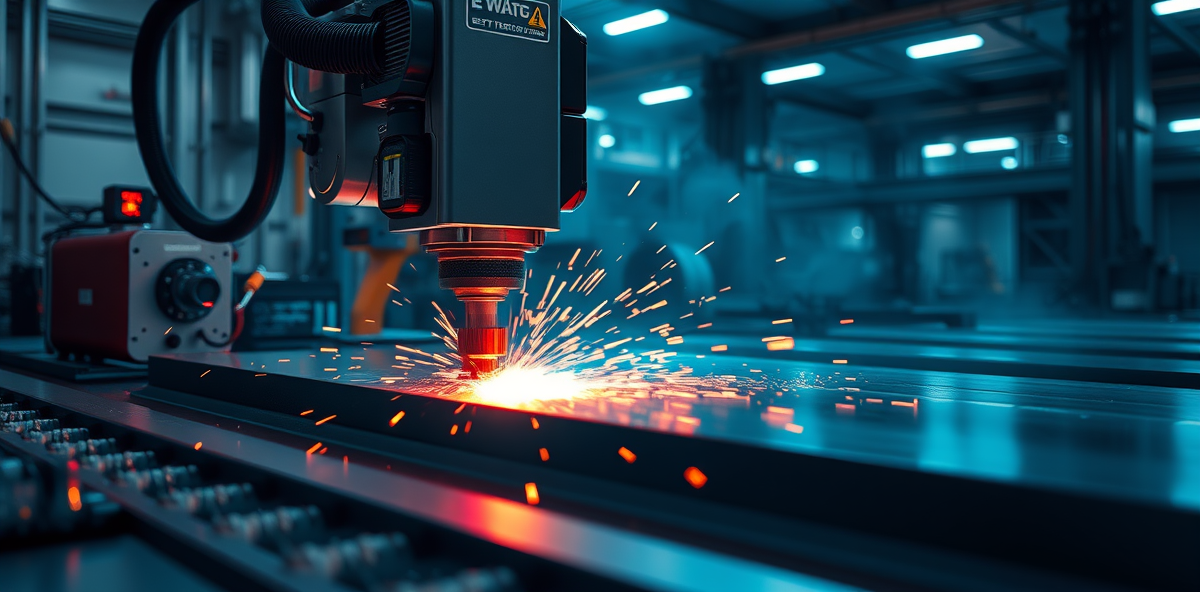
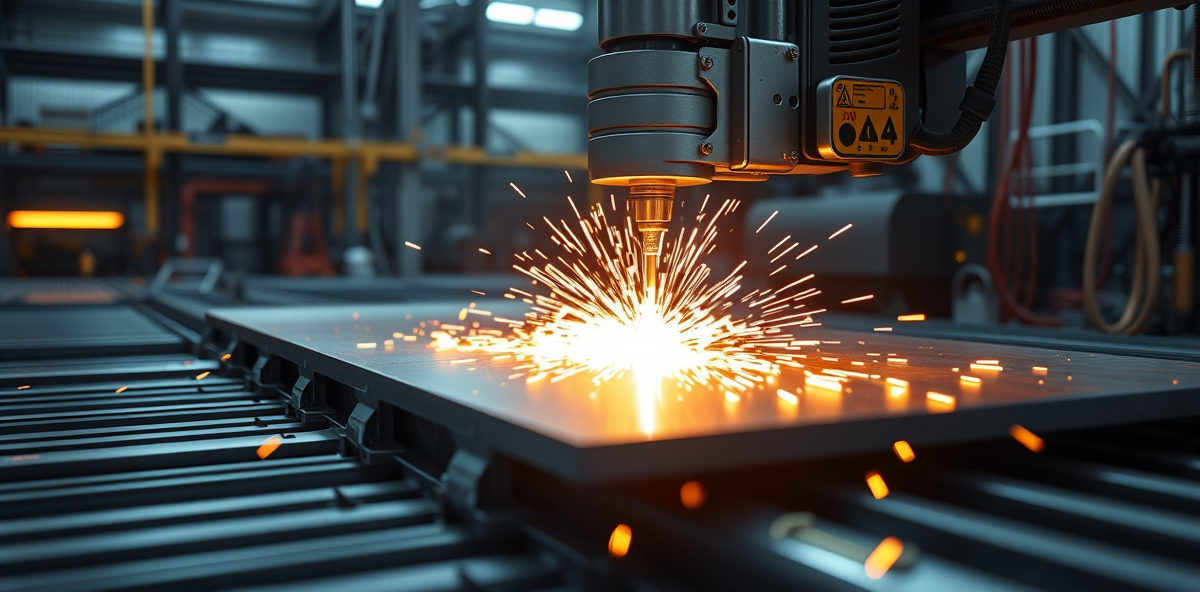
Fiber laser cutting technology represents a significant leap from traditional and CO2 laser cutting methods. It generates a high-intensity laser beam through optical fibers, focusing it onto the material surface to melt and vaporize it for precise cuts.
Fiber lasers are exceptionally well-suited for metal laser cutting across a wide range of ferrous and non-ferrous metals, including stainless steel, carbon steel, aluminum, copper, and brass. Key advantages include faster cutting speeds, lower operational costs due to higher energy efficiency, minimal maintenance, and the ability to cut reflective materials. These characteristics have cemented fiber laser cutting’s position as an indispensable tool in modern industrial fabrication.
The Core Question: What Power Do You Need?
The power of a fiber Laser Cutting Machine, measured in kilowatts (kW), is its most defining characteristic. Higher power generally translates to faster cutting speeds and the ability to process thicker materials. However, optimal power balances specific application requirements, material types, and production volume.
1kW Fiber Laser Cutting Machine: Precision for Thinner Gauges
A 1kW fiber Laser Cutting Machine is an entry-level industrial solution, offering impressive precision and efficiency for specific applications. It’s ideal for businesses primarily working with thinner sheet metals and requiring high accuracy on intricate designs, representing a significant upgrade from plasma or waterjet cutting for lighter gauges.
- Material Capabilities: Excellent for carbon steel up to 6-8mm, stainless steel up to 3-4mm, and aluminum up to 2-3mm. Performs well on thinner copper and brass.
- Speed and Productivity: Very fast cutting speeds on thin materials (e.g., 1-2mm stainless steel), highly productive for high-volume, lighter-gauge jobs.
- Applications: Ideal for small to medium-sized workshops, prototyping, architectural components, decorative metalwork, and precise parts for electronics or consumer goods where material thickness is moderate. It’s a cost-effective entry into fiber laser cutting.
- Ideal Business Profile: Perfect for job shops with diverse, primarily thin-gauge, metal fabrication needs, educational institutions, or manufacturers of HVAC components, enclosures, or light fixtures. Lower investment cost makes it accessible for tighter budgets.
For operations focused on fine details and high-quality edge finishes on materials typically under 3-4mm, a 1kW fiber Laser Cutting Machine offers an optimal balance of cost and performance. It delivers clean, dross-free cuts, reducing the need for secondary finishing processes.
3kW Fiber Laser Cutting Machine: The Versatile Workhorse
A 3kW fiber Laser Cutting Machine significantly boosts cutting speed and material thickness capabilities. Often considered the sweet spot for many medium to large-scale fabrication shops, it offers a compelling blend of versatility, productivity, and investment value, bridging the gap between thinner and more substantial material processing.
- Material Capabilities: Cuts carbon steel up to 15-18mm, stainless steel up to 6-8mm, and aluminum up to 6-8mm with good quality. Handles thicker copper and brass more effectively than 1kW systems.
- Speed and Productivity: Significantly faster than a 1kW system across all material thicknesses, especially in the 3-6mm range. This means higher throughput and reduced processing times for diverse projects. Speed gains are notable for common structural steel thicknesses.
- Applications: Suited for a broad range of industries including automotive parts, general machinery fabrication, agricultural equipment, and structural components. It provides flexibility for both intricate, thinner parts and more robust, thicker elements.
- Ideal Business Profile: Excellent for growing job shops, mid-sized manufacturers, or businesses needing to process a wider range of material thicknesses and higher production volumes. It offers the flexibility to take on diverse customer orders without compromising speed or quality. For many, a 3kW machine offers the best balance of investment and capability for metal laser cutting.
The 3kW fiber Laser Cutting Machine is a true workhorse, providing power for increased efficiency and broader material handling, making it a popular choice for robust and adaptable metal laser cutting solutions.
6kW Fiber Laser Cutting Machine and Beyond: Heavy-Duty Performance
For high production volumes and thick plate processing, a 6kW or higher-power fiber Laser Cutting Machine is indispensable. These machines represent the pinnacle of fiber laser cutting technology, delivering unparalleled speed and capacity for heavy-duty industrial applications. While the investment is higher, so are the capabilities for mass production.
- Material Capabilities: A 6kW system efficiently cuts carbon steel up to 25-30mm, stainless steel up to 12-15mm, and aluminum up to 15-20mm. Higher power systems (8kW, 12kW, 20kW+) extend these limits, cutting carbon steel over 35mm and stainless steel over 25mm, excelling with very thick reflective metals.
- Speed and Productivity: Offers dramatically faster cutting speeds, especially on thicker materials, compared to lower-power systems. This is crucial for rapid production of large, heavy components. Higher power also enables cleaner cuts and fewer thermal distortions on thick plates, enhancing quality and reducing rework.
- Applications: Essential for heavy machinery manufacturing, shipbuilding, large-scale construction, railway components, and energy sector fabrication. These machines are designed for continuous, high-volume production where uptime and speed are critical for profitability. Industries requiring significant metal laser cutting capacity find them invaluable.
- Ideal Business Profile: Suited for large industrial enterprises, steel service centers, heavy fabrication shops, and manufacturers with consistent demand for cutting thick materials at high speed. The higher initial investment is justified by immense productivity gains and the ability to handle demanding metal fabrication challenges. These often integrate with automated loading/unloading systems.
Investing in a high-power fiber Laser Cutting Machine signifies a commitment to leading-edge manufacturing, tackling challenging cutting tasks with speed and precision. Advances in fiber laser cutting technology continue to push boundaries, extending to advanced Laser Welding Machine applications for assembly.
Key Factors Influencing Laser Power Selection
Choosing the correct laser power involves a holistic assessment of your operational needs, future growth plans, and financial considerations. Several factors must be evaluated to ensure your fiber Laser Cutting Machine investment yields optimal returns.
Material Type and Thickness
This is the most fundamental determinant. What metals will you cut, and what are their typical thicknesses? A 1kW machine struggles with thick plates, while a 6kW machine would be overkill for consistently cutting only 1mm sheet metal. Matching power to your most common materials and gauges is crucial for optimized performance and energy consumption in metal laser cutting.
Production Volume and Speed Requirements
How much material do you need to process? Higher production volumes demand faster cutting speeds, directly correlating with higher laser power. If you have tight deadlines and require high throughput, a more powerful machine reduces bottlenecks and increases productivity. Consider current and projected future production needs.
Desired Cut Quality
While all fiber lasers offer excellent cut quality, higher power can achieve cleaner edges and smaller heat-affected zones (HAZ) on thicker materials, especially with inert gases. Dross-free cuts on specific thicknesses can reduce or eliminate post-processing, saving time and labor. Discuss desired edge quality with your supplier.
Budget and Operational Costs
The initial purchase price increases with higher power. Beyond capital expenditure, consider operational costs: electricity, assist gases, and maintenance. While higher power consumes more electricity, faster cuts often lead to a lower cost per part. A thorough cost-benefit analysis is essential for strategic planning.
Applications Across Industries
Fiber laser cutting technology has revolutionized manufacturing, providing unparalleled precision and efficiency for metal fabrication. The versatility of a fiber Laser Cutting Machine makes it an invaluable asset across diverse sectors.
- Automotive: High-speed, accurate cuts for chassis components, engine parts, trim, and prototyping in mass production and bespoke modifications.
- Aerospace: Precision cutting of lightweight alloys and specialty metals for aircraft components, ensuring strict tolerance and material integrity.
- Construction: High-power systems cut thick steel plates for structural frameworks and architectural elements, speeding up construction and assembly.
- General Fabrication: Job shops use fiber lasers for custom parts, from signage to industrial enclosures.
- Electronics: Lower-power fiber lasers offer precision for delicate components and enclosures, cutting thin metals without thermal damage.
- Medical Devices: Sterile, precise cuts are essential for surgical instruments, implants, and other critical medical equipment.
The ability of fiber laser cutting to handle diverse materials and complex geometries with speed and accuracy underpins its widespread adoption. Its application extends to complementary technologies such as the Laser Welding Machine, forming a powerful duo in advanced metal fabrication.
Benefits of Choosing the Right Laser Power
Selecting the optimal power for your fiber Laser Cutting Machine unlocks operational and financial benefits, impacting your business’s competitiveness and profitability.
- Optimized Efficiency: Ensures materials are cut at their most efficient speed. Correct power leads to faster lead times and increased output.
- Cost Savings: Increased speed and efficiency, especially on thicker materials, can lead to lower cost per part. Reduced processing times, less material waste, and fewer secondary finishing operations contribute to long-term savings.
- Superior Cut Quality: Appropriately powered lasers deliver cleaner, smoother edges with minimal dross and reduced heat-affected zones, enhancing product quality and minimizing post-processing.
- Enhanced Versatility: A well-chosen power level allows your Laser Cutting Machine to handle a broader spectrum of material thicknesses and types efficiently, expanding market reach.
- Increased Throughput and Productivity: Faster cutting speeds directly translate to higher production volumes, boosting manufacturing capacity to meet demanding schedules.
A correctly specified fiber Laser Cutting Machine becomes a strategic asset, driving operational excellence and providing a tangible competitive advantage.
How to Choose the Right Laser Equipment
Beyond laser power, selecting the right overall Laser Cutting Machine involves evaluating several other crucial factors for seamless integration and long-term objectives. This comprehensive process requires expert guidance and a thorough understanding of your operational ecosystem.
- Machine Bed Size: Consider the dimensions of your common sheet metal. Matching bed size to material stock minimizes waste and maximizes efficiency.
- Automation Features: For high-volume production, integrated automation like automatic loading/unloading systems or pallet changers dramatically increases throughput and reduces labor costs.
- Software and Controls: User-friendly CAD/CAM software is essential for efficient job programming and nesting. Intuitive controls enhance operator productivity and reduce training time.
- Reputation and Support: Manufacturer reliability and availability of local technical support, spare parts, and training are paramount. A robust support network is invaluable to prevent costly downtime.
- Future-Proofing: Consider potential growth. Can the machine handle thicker materials or higher volumes if your business expands? Investing with headroom can prevent costly upgrades later.
Why Choose Lemon Laser for Your Laser Cutting Needs?
At Lemon Laser, we understand that investing in a fiber Laser Cutting Machine is a significant decision. We are a trusted partner, offering a comprehensive range of advanced fiber laser cutting solutions tailored to modern manufacturing, from precision 1kW systems to powerful 6kW+ machines for heavy-duty applications.
We combine cutting-edge technology with robust engineering, ensuring high performance, reliability, and precision. Our experts assess your requirements, guiding you to the ideal laser power, machine configuration, and automation options. With Lemon Laser, you gain a complete solution backed by exceptional service and support, ensuring maximum uptime and sustained productivity. We also lead in Laser Welding Machine technology, providing integrated solutions for complete fabrication workflows.
Maintenance and Operational Tips for Optimal Performance
Maximizing the lifespan and efficiency of your fiber Laser Cutting Machine requires adherence to regular maintenance and best operational practices. Proper care ensures consistent cut quality and prevents costly downtime.
- Regular Cleaning: Keep the machine bed, optics, and protective windows clean. Dust and debris can interfere with the laser beam, reducing cut quality and damaging components.
- Chiller Maintenance: The chiller system is vital for maintaining laser source temperature. Regularly check coolant levels, filter condition, and ensure adequate ventilation.
- Nozzle and Ceramic Ring Inspection: Inspect and replace nozzles and ceramic rings regularly. Worn components lead to poor cut quality and inefficient gas usage.
- Assist Gas Quality: Ensure assist gases (oxygen, nitrogen, air) are high purity. Contaminated gases negatively impact cut quality and can damage cutting head components during metal laser cutting.
- Preventive Maintenance Schedule: Follow manufacturer’s recommendations, including checking electrical connections, lubrication, and calibration of moving parts.
- Operator Training: Properly trained operators are crucial for understanding machine functions, safety protocols, and basic troubleshooting to optimize performance.
Implementing these tips ensures your fiber Laser Cutting Machine operates at peak efficiency, delivering consistent, high-quality results for years.
The Future of Laser Technology in Manufacturing
The trajectory of fiber laser cutting technology continues to ascend, promising greater efficiencies and capabilities for metal laser cutting. Rapid advancements will further transform industrial manufacturing processes.
- Higher Power Outputs: Machines pushing 12kW, 20kW, and even 30kW are becoming common, enabling faster cutting of ultra-thick materials and new applications.
- Increased Automation and AI Integration: Future integration with robotic loading/unloading, intelligent material handling, and AI-driven process optimization will enhance predictive maintenance and cutting strategies.
- Enhanced Software and Connectivity: Advanced nesting algorithms, real-time monitoring, and cloud-based analytics will improve material utilization, track performance, and facilitate remote diagnostics for a Laser Cutting Machine.
- Expanded Material Capabilities: Research continues into cutting challenging materials and composites, broadening fiber laser applications across industries.
These innovations underscore the ongoing commitment to making fiber laser cutting even more versatile, efficient, and indispensable, often complemented by parallel advancements in Laser Welding Machine technology.
Conclusion
Selecting the right power for your fiber Laser Cutting Machine is pivotal, directly impacting production capabilities, operational costs, and business success. Whether a 1kW system for precision thin-gauge work, a versatile 3kW model, or a powerful 6kW+ machine for heavy-duty fabrication, understanding your specific needs is paramount.
Consider materials, thicknesses, production volumes, desired cut quality, and budget. By carefully evaluating these factors and partnering with an experienced provider like Lemon Laser, you can make an informed investment that optimizes your metal laser cutting operations. Embrace the power of precision and efficiency to drive your manufacturing business forward.