
Currently Empty: ₹0.00
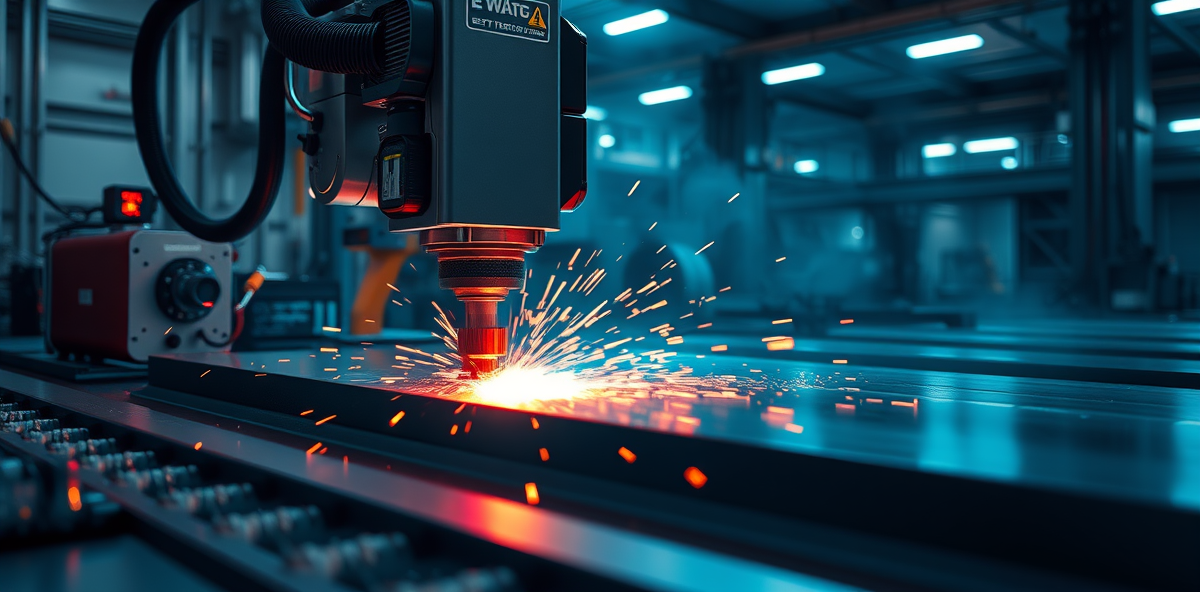
Precision and Brilliance: How Laser Machines Revolutionize the Jewelry Industry
The jewelry industry, steeped in tradition and meticulous craftsmanship, has always sought innovative methods to enhance precision, efficiency, and design flexibility. In recent decades, laser technology has emerged as a transformative force, fundamentally altering how precious metals and gemstones are worked. From the initial design phase to final polishing, laser machines offer unparalleled accuracy and versatility, enabling jewelers to achieve intricate details and robust connections previously deemed impossible or excessively time-consuming.
This comprehensive guide delves into the multifaceted applications of laser technology within jewelry manufacturing. We will explore the underlying principles, practical benefits, and critical considerations for integrating these advanced machines into your production workflow. For engineers, factory owners, and manufacturing companies in the precious metals sector, understanding the capabilities of modern laser systems is paramount for maintaining a competitive edge and pushing the boundaries of design.
What is Fiber Laser Technology and Its Impact on Jewelry?
Fiber laser technology represents a significant leap forward in industrial laser applications, particularly relevant for materials like those found in jewelry. Unlike traditional CO2 or YAG lasers, fiber lasers generate a laser beam within an optical fiber, delivering exceptional beam quality and efficiency. This focused energy allows for extremely precise material interaction, minimizing heat affected zones and preserving the integrity of delicate materials.
For the jewelry sector, the attributes of fiber lasers translate directly into superior results. Their ability to deliver high power in a concentrated spot makes them ideal for working with reflective and conductive materials such as gold, silver, platinum, and palladium. The robustness and minimal maintenance requirements of fiber laser systems also contribute to their growing adoption across small workshops and large manufacturing facilities alike.
Multifaceted Applications of Laser Machines in Jewelry Manufacturing
The versatility of laser machines has opened up a myriad of applications within the jewelry industry, streamlining processes and enabling new creative possibilities. These technologies are integral for everything from initial material processing to final product finishing and personalization.
Laser Cutting of Precious Metals
One of the most impactful applications is the laser cutting machine for precious metals. This process allows for the creation of intricate shapes, delicate filigree, and complex patterns with astounding accuracy. Traditional methods often struggle with very fine details, leading to material waste or design limitations.
The precision of laser cutting machine technology means jewelers can cut complex designs with minimal kerf width, ensuring optimal material utilization and high-quality edge finishes. Both fiber laser cutting and metal laser cutting techniques are extensively used to produce components for rings, pendants, earrings, and bespoke jewelry pieces. This capability significantly reduces manual labor and increases throughput, while consistently delivering flawless results.
Precision Laser Welding for Jewelry Assembly
laser welding machine technology has revolutionized how jewelry components are joined, offering a clean, strong, and highly localized welding solution. Unlike traditional soldering, which can involve flux and heat distortion, laser welding provides a precise heat input that minimizes discoloration and stress on the surrounding material.
This makes laser welding machine ideal for repairing delicate pieces, attaching settings, assembling intricate components, and even working with heat-sensitive gemstones. The resulting welds are extremely strong and virtually invisible, enhancing the aesthetic appeal and durability of the finished jewelry. It’s particularly valuable for micro-welding tasks, where precision is paramount.
Laser Engraving and Marking for Personalization and Branding
Laser engraving and marking have become indispensable for adding personalization, branding, and intricate details to jewelry. From custom messages on rings to serial numbers on watch backs, lasers provide a permanent and high-resolution mark that enhances value and authenticity. The non-contact nature of laser marking ensures no tool wear and allows for fine details on curved or irregular surfaces.
This technology is used to engrave logos, intricate patterns, alphanumeric characters, and even photographs onto various jewelry materials. The versatility extends to marking different metals without compromising their structural integrity, making it a preferred method for both mass production and bespoke artisan pieces.
Laser Drilling for Intricate Designs
For creating precise holes for stone settings, articulation points, or design elements, laser drilling offers unmatched accuracy. This method is particularly useful for producing very small holes with clean edges, often impossible with traditional mechanical drilling, especially in hard or brittle materials.
Laser drilling ensures minimal material stress and prevents cracking, which is crucial when working with precious metals and delicate designs. It expands the possibilities for innovative jewelry designs that require intricate perforations or complex internal structures.
Benefits of Integrating Laser Technology into Jewelry Production
Adopting laser technology offers a multitude of advantages for jewelry manufacturers looking to modernize their operations and improve product quality.
- Unparalleled Precision and Intricacy: Lasers enable the creation of designs with micron-level accuracy, allowing for exceptionally fine details and complex geometries that are impossible with manual or conventional methods. This opens up new avenues for design creativity.
- Increased Production Efficiency and Speed: Automated laser processes drastically reduce manufacturing times compared to traditional handcrafting. This leads to higher throughput and shorter lead times, directly impacting profitability.
- Reduced Material Waste: The precise and localized nature of fiber laser cutting and laser cutting machine operations minimizes material loss, a critical factor when working with expensive precious metals. This translates into significant cost savings.
- Enhanced Design Flexibility: Lasers empower designers to push creative boundaries, producing unique and intricate pieces that were previously too challenging or costly to manufacture. Complex CAD designs can be realized with exacting fidelity.
- Superior Quality and Finish: Laser processing often results in cleaner cuts, smoother welds, and sharper engravings, requiring less post-processing. This elevates the overall quality and finish of the jewelry, enhancing its appeal and value.
- Cost-Effectiveness in the Long Run: While initial investment in laser equipment can be substantial, the long-term benefits from increased efficiency, reduced waste, improved quality, and lower labor costs provide a compelling return on investment.
How to Choose the Right Laser Equipment for Your Jewelry Business
Selecting the appropriate laser machine is a critical decision that impacts your production capabilities and business growth. Several factors must be carefully considered to ensure you invest in a system that meets your specific needs and future aspirations.
Understanding Laser Types and Power Requirements
The primary choice for jewelry typically comes down to fiber lasers due to their excellent beam quality for reflective metals. However, power levels vary significantly. For fine cutting and intricate engraving, lower power systems (20-50W) may suffice, while high-volume production or thicker metal laser cutting machine tasks might require 100W or more. Assess your most frequent applications to determine the ideal power range.
For laser welding machine applications, consider pulse energy and repetition rate, which are crucial for creating strong, consistent welds without excessive heat input. Discuss your material types and thickness with suppliers to get tailored recommendations.
Considering Software and Automation Integration
Modern laser machines are often integrated with advanced CAD/CAM software, allowing for seamless transition from design to production. Look for intuitive software interfaces that support popular design formats and offer robust control over laser parameters. Automation features, such as robotic loading or conveyor systems, can further enhance efficiency for high-volume operations.
Evaluating Safety Features and Compliance
Laser safety is paramount, especially in a workshop environment. Ensure the equipment meets international safety standards (e.g., CE, FDA) and includes essential features like interlocked enclosures, emergency stops, and proper fume extraction systems. Operator training on safe practices is also crucial to prevent accidents and ensure a healthy working environment.
After-Sales Support and Training
A reputable supplier provides comprehensive after-sales support, including installation, training, and readily available technical assistance. Investing in a laser cutting machine or laser welding machine is a significant commitment, so robust support ensures minimal downtime and maximizes your operational efficiency. In-depth training for your team on both machine operation and maintenance is invaluable.
Maintenance and Operational Tips for Jewelry Laser Machines
Proper maintenance and operational practices are essential for extending the lifespan of your laser equipment and ensuring consistent, high-quality output. Neglecting these aspects can lead to costly repairs and production delays.
- Regular Cleaning Protocols: Keep the optical components (lenses, mirrors, protective windows) meticulously clean. Dust, debris, and fumes can degrade beam quality and reduce power. Follow manufacturer guidelines for cleaning intervals and approved cleaning agents.
- Calibration and Alignment Checks: Periodically check and calibrate the laser beam alignment and focus. Misalignment can lead to uneven cuts, poor welds, and reduced efficiency. Many modern systems offer automated diagnostic tools for this.
- Consumable Management: Monitor and replace consumables such as nozzles, protective glass, and filtration elements as recommended by the manufacturer. Timely replacement prevents premature wear and maintains optimal performance.
- Environmental Control: Operate the laser machine in a clean, temperature-controlled environment. Extreme temperatures or humidity can affect laser performance and component longevity. Ensure proper ventilation and fume extraction to protect both the equipment and operators.
- Operator Training and Safety Protocols: Ensure all operators are thoroughly trained on machine operation, safety procedures, and routine maintenance. Adherence to safety protocols, including wearing appropriate personal protective equipment (PPE), is non-negotiable.
The Future of Laser Technology in Jewelry Manufacturing
The trajectory of laser technology in the jewelry industry continues to point towards greater automation, precision, and integration. As materials and design complexities evolve, laser systems will adapt to meet these demands, offering even more sophisticated capabilities.
Advanced Automation and Robotics
Expect to see increased integration of robotics for automated loading, unloading, and part manipulation, particularly in large-scale production facilities. This will further reduce manual labor, increase consistency, and allow for 24/7 operation. The synergy between laser cutting machine and robotic systems will create highly efficient manufacturing cells.
Micro-Processing and Nanosecond Lasers
The development of ultra-fast lasers, such as femtosecond and picosecond lasers, will unlock new frontiers in micro-processing. These lasers can create even finer features and surface textures with virtually no heat input, opening up possibilities for incredibly delicate and intricate designs, including those involving extremely sensitive materials or surface modifications.
Customization and Mass Personalization
Laser technology is perfectly positioned to support the growing trend of mass customization. With advanced software and flexible laser systems, jewelers can efficiently produce unique, personalized pieces on demand, catering to individual customer preferences without sacrificing production speed or cost-effectiveness. This allows for rapid prototyping and iteration of designs.
Conclusion
Laser machines have irrevocably transformed the jewelry industry, moving it beyond traditional craftsmanship limitations into an era of unparalleled precision, efficiency, and design freedom. From intricate laser cutting machine tasks on precious metals to robust laser welding machine applications, these technologies are now indispensable tools for modern jewelers.
For industrial buyers, engineers, and factory owners in the jewelry sector, investing in and understanding laser technology is no longer optional but a strategic imperative. By leveraging the power of fiber laser cutting and other advanced laser processes, manufacturers can enhance product quality, accelerate production cycles, reduce waste, and ultimately deliver breathtaking jewelry pieces that captivate customers and define future trends.

