
Currently Empty: ₹0.00
Why is Laser Cutting Important in Sheet Metal Fabrication?
The landscape of modern manufacturing is continuously evolving, driven by demands for greater precision, efficiency, and flexibility. Within this dynamic environment, sheet metal fabrication stands as a foundational process across countless industries. For decades, traditional methods dominated, but the advent of laser technology has revolutionized how metal components are designed and produced. Laser cutting has emerged as an an indispensable technology, transforming the capabilities and economic viability of sheet metal operations globally.
This comprehensive guide delves into the pivotal role of laser cutting in today’s sheet metal fabrication industry. We will explore the underlying technology, its myriad applications, the compelling benefits it offers, and crucial considerations for integrating it into your manufacturing workflow. Understanding the importance of this technology is key for engineers, factory owners, and manufacturing companies aiming to stay competitive and innovative.
What is Laser Cutting Technology?
Understanding the Fundamentals of Metal Laser Cutting
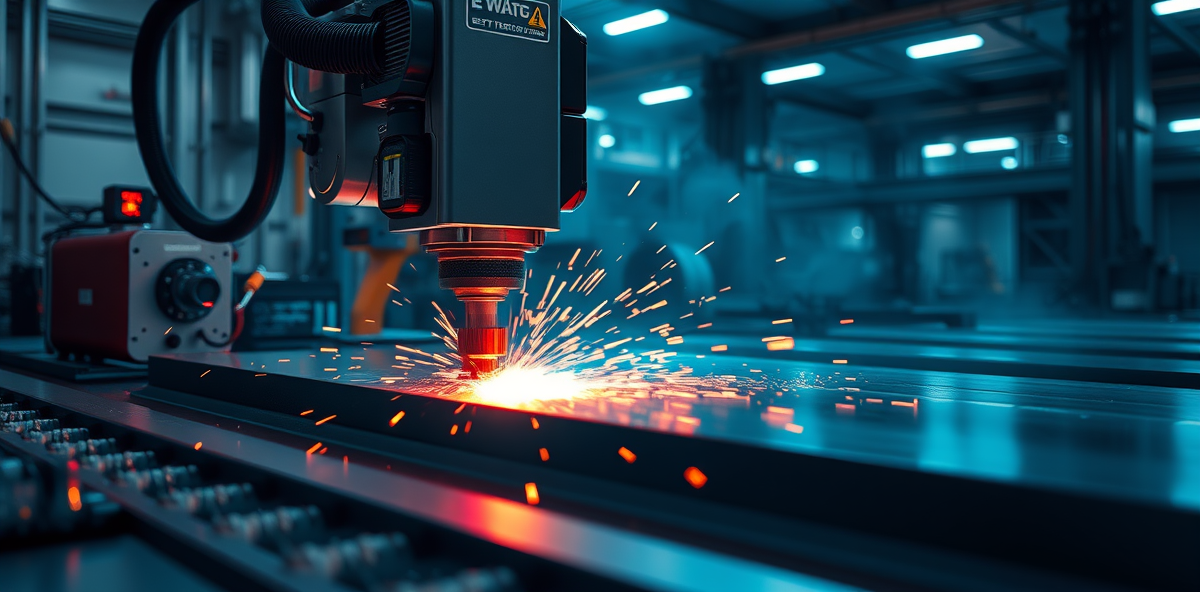
Laser cutting is a thermal cutting process that uses a focused high-power laser beam to melt, burn, or vaporize material in a localized area. The process creates a clean, precise cut with minimal material distortion. A high-pressure gas, typically nitrogen or oxygen, is then used to blow away the molten material, leaving behind a smooth edge.
This technology is highly versatile, capable of processing a wide range of materials and thicknesses. For sheet metal, laser cutting has become the preferred method due to its unparalleled accuracy and speed. It operates on principles of light amplification by stimulated emission of radiation, directing a coherent beam of light at the workpiece.
The Rise of Fiber Laser Cutting
While CO2 lasers were once the industry standard for metal processing, Laser Cutting Machine technology has rapidly advanced, bringing fiber lasers to the forefront. Fiber laser cutting machines utilize an active gain medium of optical fibers doped with rare-earth elements, emitting a laser beam that is then delivered to the cutting head via a flexible optical fiber. This solid-state design offers significant advantages over traditional gas-based lasers.
Fiber laser cutting is particularly well-suited for Laser Cutting Machine applications involving reflective metals like copper, brass, and aluminum, which can be challenging for CO2 lasers. The shorter wavelength of fiber lasers allows for higher absorption rates in these materials, resulting in faster cutting speeds and cleaner edges. Their compact footprint and reduced maintenance requirements further contribute to their growing popularity.
Key Advantages and Benefits in Sheet Metal Fabrication
The widespread adoption of laser cutting in sheet metal fabrication is a testament to its profound advantages. These benefits translate directly into improved product quality, reduced operational costs, and enhanced manufacturing capabilities.
Unrivaled Precision and Accuracy
- Laser cutting offers exceptional positional accuracy and repeatability, often within micrometers. This precision is critical for industries demanding tight tolerances, such as aerospace and medical device manufacturing.
- Complex geometries and intricate designs can be cut with ease, allowing for innovative product designs that were previously impossible or cost-prohibitive with traditional methods.
High Speed and Efficiency
- Fiber laser cutting machines are renowned for their incredible speed, especially when processing thin to medium-thick sheet metals. This directly translates to higher production throughput and shorter lead times.
- The non-contact nature of the cutting process eliminates tool wear and reduces setup times, contributing to overall operational efficiency.
Material Versatility
- Modern laser cutting machines can precisely cut a broad spectrum of metals, including stainless steel, mild steel, aluminum, brass, copper, and titanium. This versatility makes them invaluable across diverse manufacturing sectors.
- They can handle varying material thicknesses, from delicate foils to robust plates, without requiring frequent tool changes.
Reduced Material Waste and Cost-Effectiveness
- The fine kerf (width of the cut) and precise beam control of laser cutters enable efficient nesting of parts on a sheet. This optimizes material utilization, significantly reducing scrap and raw material costs.
- Lower energy consumption, especially with fiber laser technology, and reduced need for secondary finishing operations contribute to a lower cost per part.
Excellent Edge Quality and Minimal Post-Processing
- Laser-cut parts typically feature smooth, burr-free edges that often require little to no additional finishing. This eliminates costly and time-consuming grinding or deburring processes.
- The localized heat input minimizes heat-affected zones (HAZ) and material distortion, preserving the material’s integrity and mechanical properties.
Automation and Integration Capabilities
- Laser cutting machines are highly amenable to automation, integrating seamlessly with CAD/CAM software, automated loading/unloading systems, and robotic cells. This allows for lights-out manufacturing and increased productivity.
- Advanced software controls optimize cutting paths, gas pressure, and laser power, ensuring consistent quality and maximizing machine uptime.
Enhanced Safety
- Compared to many traditional cutting methods, laser cutting is a non-contact process that can be fully enclosed, significantly enhancing operator safety by minimizing exposure to moving parts and sparks.
- Modern systems incorporate numerous safety features, making them a safer choice for industrial environments.
Applications Across Various Industries
The importance of laser cutting is evident in its widespread adoption across virtually every sector that utilizes sheet metal. Its flexibility allows manufacturers to meet diverse product requirements with high quality and speed.
Automotive Industry
From chassis components and interior panels to specialized prototypes, laser cutting plays a crucial role in automotive manufacturing. It enables rapid prototyping, flexible production of different models, and lightweighting initiatives through precise cuts on advanced materials.
Aerospace and Defense
The aerospace sector demands extreme precision, high material integrity, and the ability to work with advanced alloys. Laser cutting is essential for producing complex aircraft components, engine parts, and structural elements where accuracy and reliability are paramount.
Medical Device Manufacturing
Tiny, intricate components for surgical instruments, implants, and diagnostic equipment are routinely produced using laser cutting. The technology’s precision and ability to work with biocompatible materials make it indispensable for this highly regulated industry.
Electronics and Electrical Enclosures
Laser cutting is used to create precise openings and intricate designs for electrical enclosures, control panels, and various electronic housings. Its ability to produce clean cuts on thin gauges is particularly valuable here.
HVAC and Construction
Ductwork, structural supports, cladding, and specialized architectural elements benefit from the speed and accuracy of laser cutting. It facilitates custom fabrication and on-demand production for construction projects.
General Manufacturing and Job Shops
For job shops and general manufacturers, the versatility of laser cutting allows them to handle a wide range of customer orders, from one-off prototypes to high-volume production runs. This flexibility is a significant competitive advantage.
How to Choose the Right Laser Cutting Machine
Investing in a Laser Cutting Machine is a significant decision that requires careful consideration of several factors. Selecting the appropriate equipment ensures optimal performance, efficiency, and return on investment for your sheet metal fabrication needs.
Material Types and Thicknesses
Evaluate the primary types of metals and their thicknesses you will be cutting. Fiber lasers are excellent for reflective metals and thin to medium-thick sheets, offering superior speed. For thicker materials, high-power fiber lasers are now highly effective. Matching the laser source power to your material requirements is crucial.
Production Volume and Speed Requirements
Consider your current and projected production volumes. High-volume operations will benefit from faster machines with automation capabilities, such as automatic sheet loading and unloading systems. For lower volumes or prototyping, a more modestly priced Laser Cutting Machine might suffice.
Precision and Edge Quality Demands
Assess the level of precision and edge quality required for your applications. While most modern Laser Cutting Machine offers high accuracy, some specialized applications may demand even finer tolerances, which could influence the choice of laser head and optics.
Budget and Operating Costs
Beyond the initial purchase price of the Laser Cutting Machine, factor in ongoing operating costs, including power consumption, assist gases, maintenance, and consumables. Fiber lasers generally boast lower operating costs compared to older technologies.
Software Integration and User Interface
Look for machines with intuitive software that integrates seamlessly with your existing CAD/CAM systems. A user-friendly interface reduces training time and increases operational efficiency. Compatibility with nesting software is also a major plus for material optimization.
After-Sales Support and Service
Reliable technical support, readily available spare parts, and comprehensive service plans are paramount. A reputable manufacturer, such as Lemon Laser, offers extensive support to ensure maximum uptime and longevity of your investment. Lemon Laser is dedicated to providing high-performance Laser Cutting Machine solutions, backed by expert technical assistance and training, ensuring you get the most out of your equipment.
Maintenance and Operational Tips for Laser Cutting Equipment
To ensure peak performance, extend the lifespan of your Laser Cutting Machine, and maintain optimal safety, regular maintenance and adherence to operational best practices are essential. Proactive care can prevent costly downtime and maintain cut quality.
Routine Cleaning and Inspection
Regularly clean the optical components, including the protective window, focusing lens, and nozzles. Dust, debris, and spatter can degrade beam quality and even damage optics. Inspect cables, hoses, and mechanical components for wear and tear.
Assist Gas Management
Ensure the correct type and purity of assist gases (oxygen, nitrogen, or air) are used and maintained at the recommended pressures. Impurities in the gas can lead to poor cut quality and contamination of optics. Regularly check for leaks in the gas delivery system.
Chiller Maintenance
The chiller is vital for maintaining the stable temperature of the laser source and cutting head. Regularly check the coolant level and quality. Clean the chiller’s condenser coils to ensure efficient heat dissipation, preventing overheating and potential damage to the laser components.
Software and Firmware Updates
Keep the machine’s control software and firmware updated. Manufacturers often release updates that improve performance, add new features, or fix bugs. Staying current ensures your machine operates with the latest efficiencies and capabilities.
Operator Training and Safety Protocols
Properly trained operators are crucial for safe and efficient operation. Ensure all personnel understand the machine’s functions, safety interlocks, and emergency procedures. Emphasize the use of appropriate personal protective equipment (PPE), including laser safety eyewear.
The Future of Laser Technology in Manufacturing
Laser technology continues to evolve at a rapid pace, promising even greater innovations in sheet metal fabrication and beyond. The future of laser cutting is poised for advancements that will further solidify its role as a cornerstone of modern manufacturing.
Increased Automation and AI Integration
Expect to see more sophisticated automation, including fully autonomous systems that can handle material loading, cutting, sorting, and even quality inspection with minimal human intervention. Artificial intelligence and machine learning will optimize cutting parameters in real-time, predicting maintenance needs and enhancing overall efficiency.
Higher Power and Advanced Beam Shaping
Laser power levels will continue to climb, enabling faster cutting of thicker materials and new applications. Advanced beam shaping technologies will allow for dynamic adjustment of the laser beam’s profile, leading to even greater precision, speed, and versatility across different materials and thicknesses. This can also extend to other laser applications, like advancements in Laser Welding Machine technology.
Sustainability and Energy Efficiency
Future laser systems will focus on enhanced energy efficiency, reducing power consumption and their environmental footprint. Innovations in laser source technology and cooling systems will contribute to greener manufacturing processes.
3D Laser Cutting and Additive Manufacturing Integration
While primarily used for 2D sheet metal, 3D laser cutting is becoming more sophisticated for complex part geometries. Furthermore, the integration of laser cutting with additive manufacturing processes (like 3D printing) will open new possibilities for hybrid manufacturing, combining the strengths of both technologies.
Conclusion
Laser cutting is no longer just a cutting-edge technology; it is a fundamental pillar of modern sheet metal fabrication. Its unparalleled precision, speed, versatility, and efficiency have redefined what is possible in manufacturing. From enabling intricate designs to significantly reducing waste and operating costs, the benefits are clear for any business engaged in metal processing.
As industries continue to demand higher quality, faster turnaround times, and more complex components, the importance of laser cutting will only grow. Investing in a high-quality Laser Cutting Machine, coupled with diligent maintenance and a forward-thinking approach, positions manufacturing companies for sustained success and innovation in a competitive global market. The future promises even more advanced capabilities, ensuring that laser technology remains at the forefront of industrial production.

